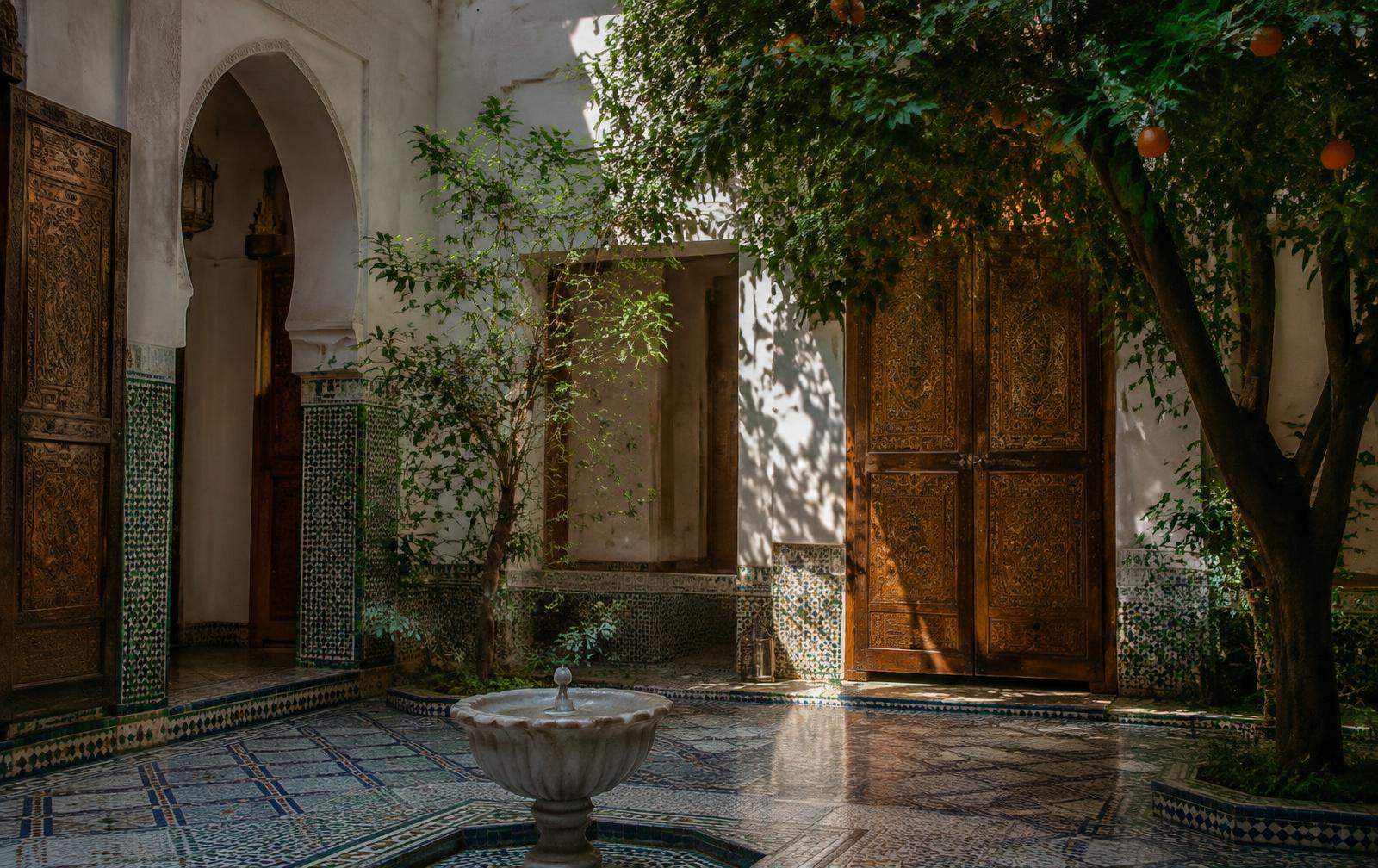
Fès, beyond the main lanes
Explore Fès el-Bali with a licensed local guide, visiting courtyard architecture and working craft districts. Tanneries are pungent workplaces, not simply photographic viewpoints.
From Fès workshops to Atlas valleys and Saharan dunes, Morocco rewards a considered route rather than a race between cities.
Morocco changes markedly between the Atlantic coast, the Middle Atlas and the palm valleys south of the mountains. In Fès, narrow lanes lead to working tanneries and tiled courtyard houses; around Marrakech, mornings might begin in a garden and end at a neighbourhood grill. We favour time with specialist guides and craftspeople, leaving space for an unhurried lunch rather than treating every medina as a checklist.
We plan Morocco around private drivers, characterful houses and sensible overnight stops, matching the route to your tolerance for road travel. An eleven-night journey might link Marrakech, the High Atlas, the dunes near Merzouga and Fès, from around INR 395,000 per person, excluding international flights. The caveat is distance: the desert is not a convenient Marrakech excursion, and reaching it properly means several substantial driving days.
Explore Fès el-Bali with a licensed local guide, visiting courtyard architecture and working craft districts. Tanneries are pungent workplaces, not simply photographic viewpoints.
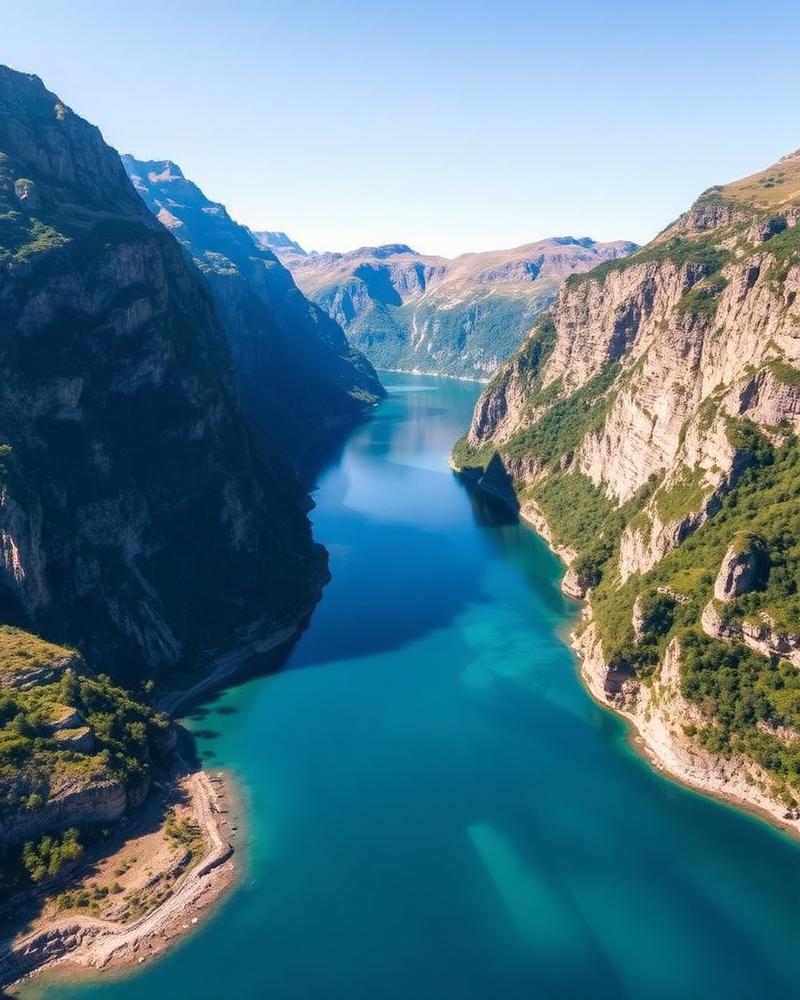
Stay near Imlil for village walks, walnut groves and views towards Toubkal. Walks are tailored to fitness, altitude and the condition of mountain paths.
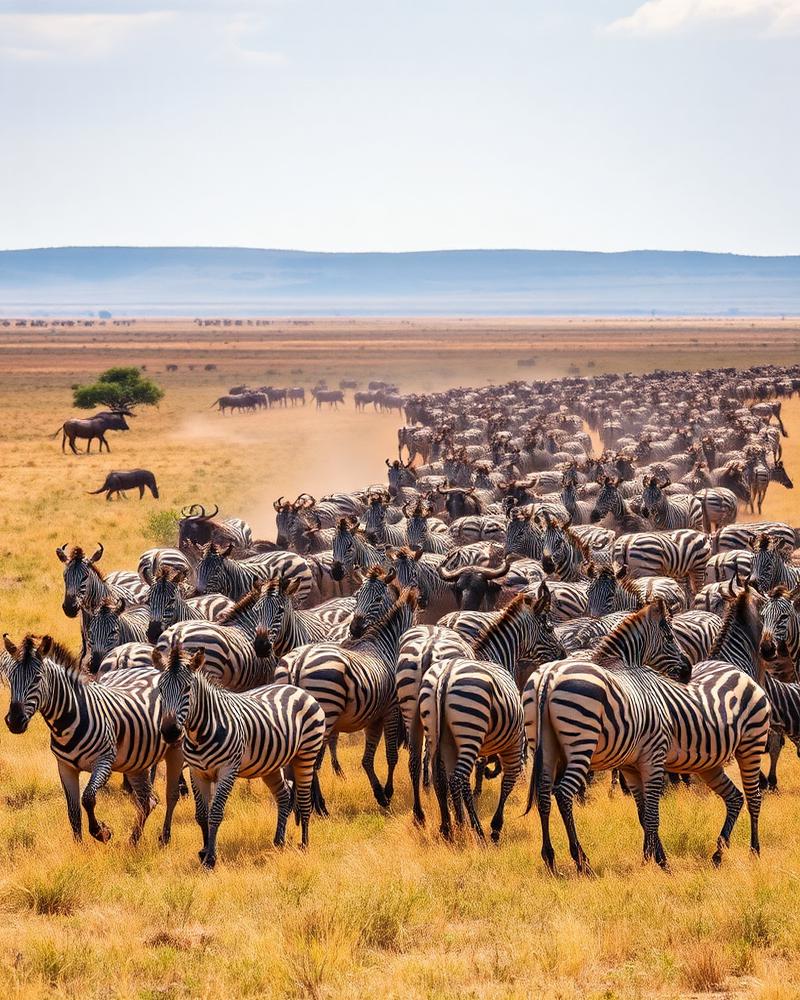
Cross the Tizi n’Tichka pass to Aït Benhaddou, then continue towards Skoura, where earthen kasbahs stand among irrigated palm plots.
Every trip we send is rewritten at least once. Treat this as a rhythm rather than a route — then tell your specialist what to cut, slow down or add.
Arrive and transfer to a courtyard house. Divide the next two days between the Ben Youssef Madrasa, selected souks and gardens, with a guided evening around Jemaa el-Fna. Book major gardens ahead and keep afternoons flexible.
Drive roughly two hours into the mountains. Take a guided village walk and a longer valley outing if conditions allow, with time back at the lodge. Winter snow can change both walks and access.
Travel via Tizi n’Tichka and Aït Benhaddou to Skoura. This is a full road day, often eight hours or more with sightseeing and lunch, so arrive without further plans.
Continue east through the Dadès region towards Merzouga, allowing around six to seven hours before substantial stops. Spend one night in a desert-edge lodge and one in a tented camp, with a guided dune walk and an optional short camel ride.
Leave the dunes for the Ziz Valley and continue to Midelt, roughly five hours away before stops. This practical overnight breaks the journey to Fès; accommodation is simpler than in the main cities.
Continue through the Middle Atlas to Fès, allowing four to five hours plus stops. Spend the following day exploring the medina with a specialist guide, including weaving or ceramics according to your interests.
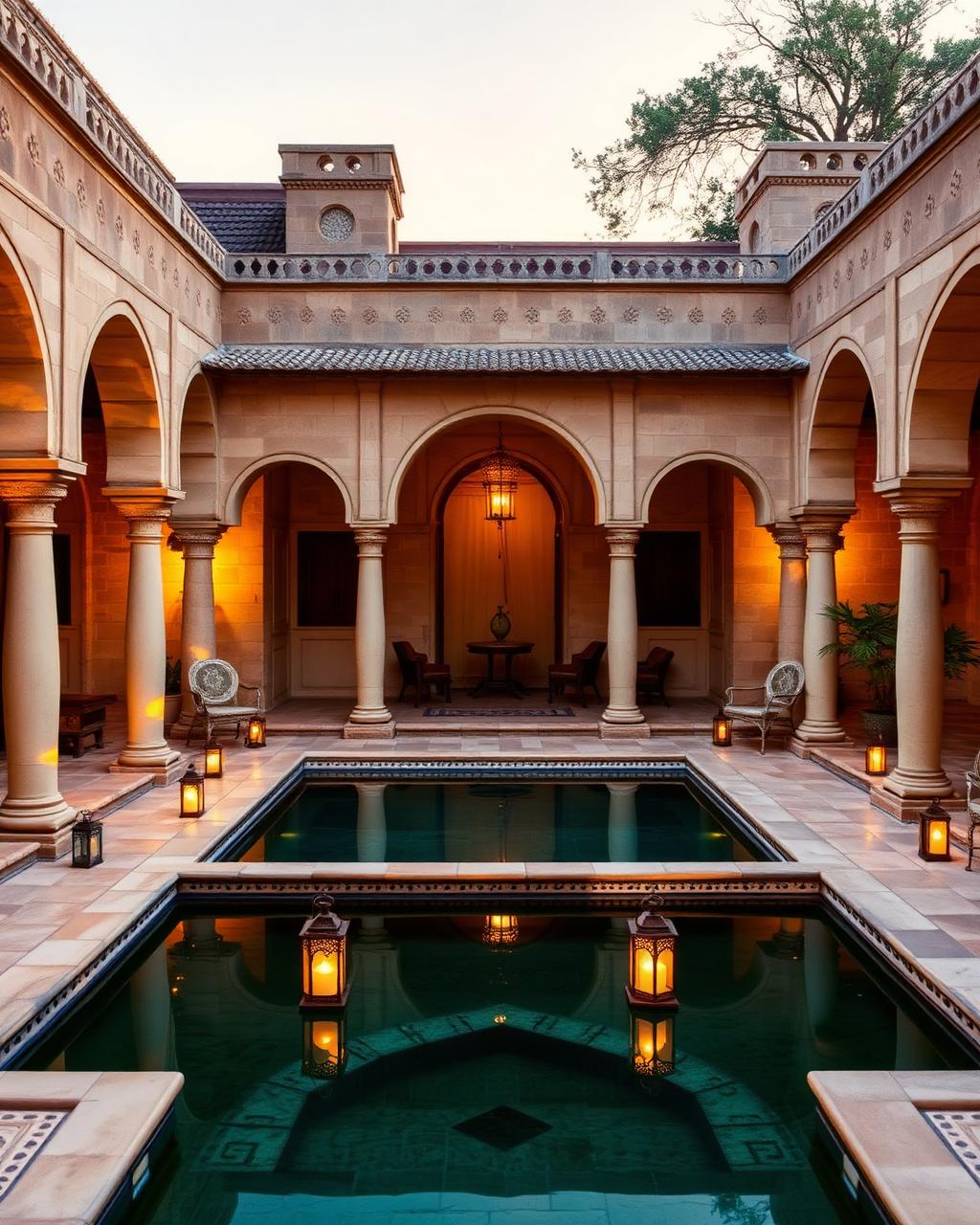
Illustrative private courtyard houseAn example of the accommodation style we would source, not a confirmed property. Indicative INR per person per night, twin-sharing; expect stairs and a walk from the vehicle drop-off.
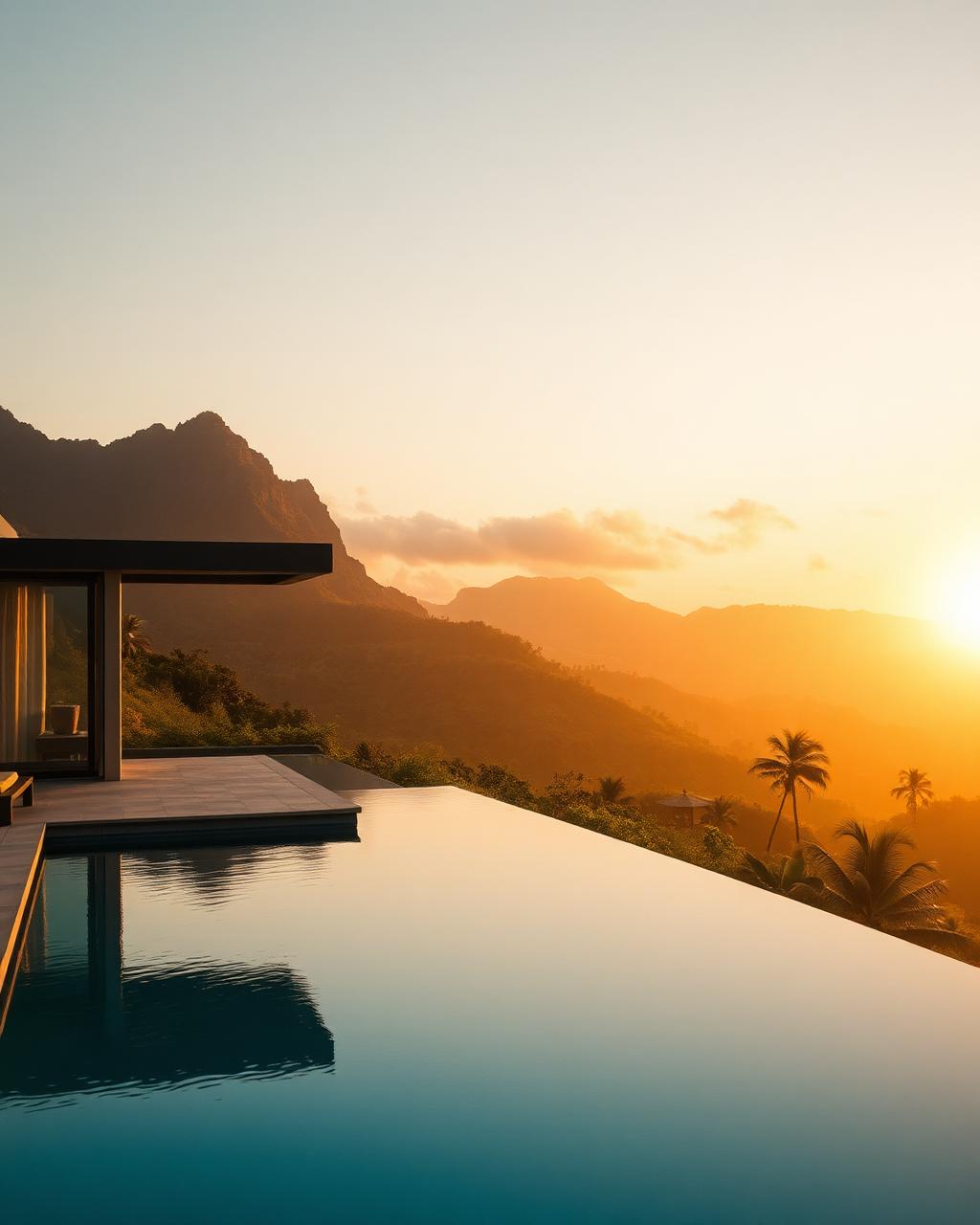
Illustrative mountain lodgeAn illustrative sourcing brief, not a confirmed property. Indicative INR per person per night, twin-sharing; prioritise heating, good cooking and valley access over extensive facilities.
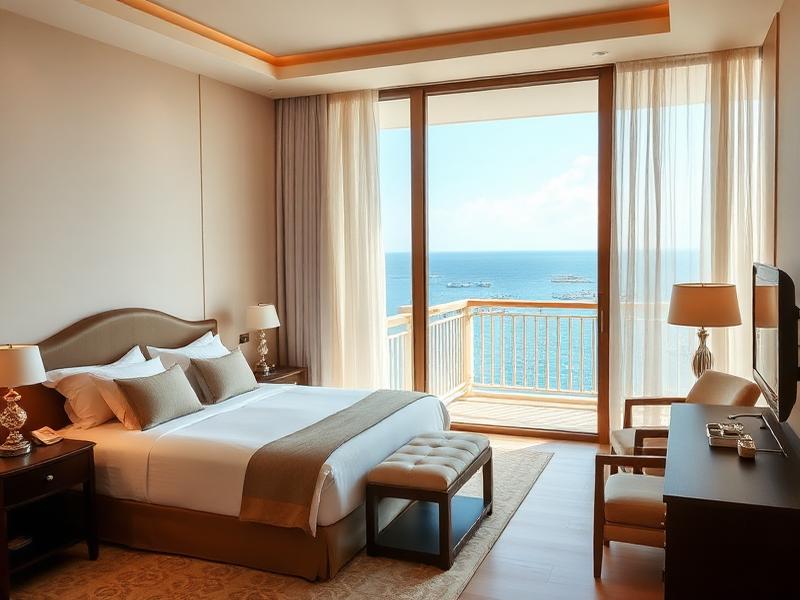
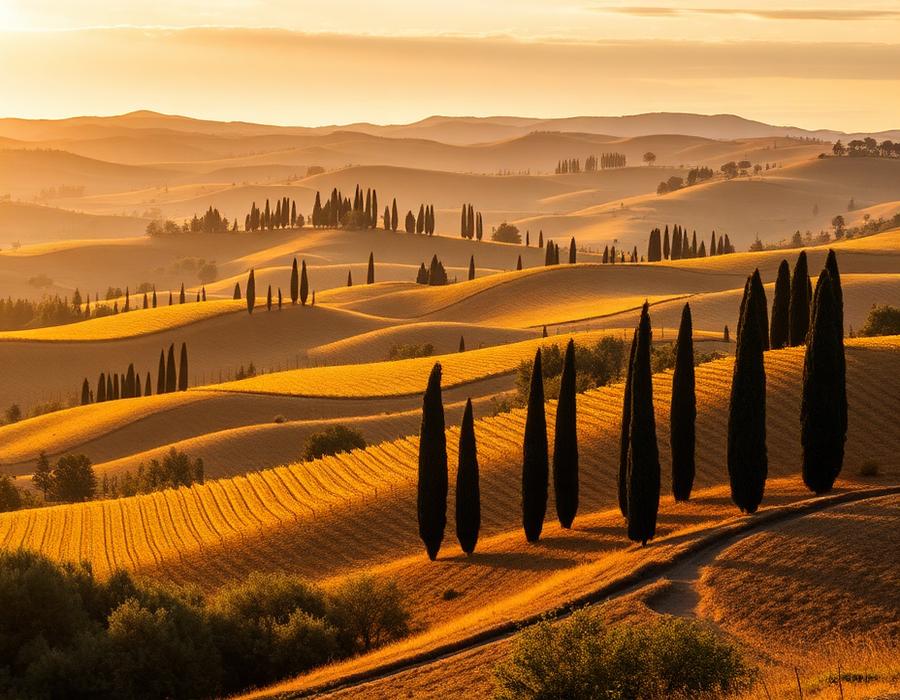 Illustrative private palm-grove house
An illustrative sourcing brief, not a confirmed property. Indicative INR per person per night, twin-sharing; private-use houses cost more for smaller parties.
Shop with a cook before preparing seasonal salads, preserved-lemon dishes and a tagine. Vegetarian menus work well when arranged ahead; disclose allergies before booking.
Visit a working ceramics workshop to see clay shaping, glazing and zellij cutting. We agree the purpose of the visit beforehand so it does not become an extended shopping stop.
Follow village paths with a local mountain guide, choosing a route suited to the group. Toubkal's summit is a separate, strenuous undertaking, not an add-on to a gentle valley stay.
Walk onto the dunes as the light softens, then return for dinner. Camp comfort varies considerably; wind, neighbouring vehicles and cold nights remain possible even at the expensive end.
“If you have only a week, leave the Sahara for another journey. Morocco's distances deserve as much attention as its sights.”
It is an indicative per-person budget for an eleven-night private journey, based on two sharing, with selected accommodation, a private vehicle and driver, and planned guiding. International flights, visas, insurance, most meals and personal spending are additional unless specified. Dates and room choices materially affect the final quote.
July and August are generally poor choices for a comfort-led Sahara stay because of extreme heat. Late June and early September can also be very hot. Winter days can be pleasant, but nights are cold; spring occasionally brings dust and strong winds.
Yes, with a shorter route and carefully chosen rooms. Medina lanes are uneven, many courtyard houses have stairs, and the desert circuit involves long drives. Marrakech with the coast or a lower-altitude countryside stay is often easier than the full circuit.
Vegetarian meals are straightforward with advance planning, though broths and couscous may contain meat stock. Strict Jain requirements need explicit kitchen agreements and are less easily accommodated in remote areas. We confirm what each host can reliably provide.
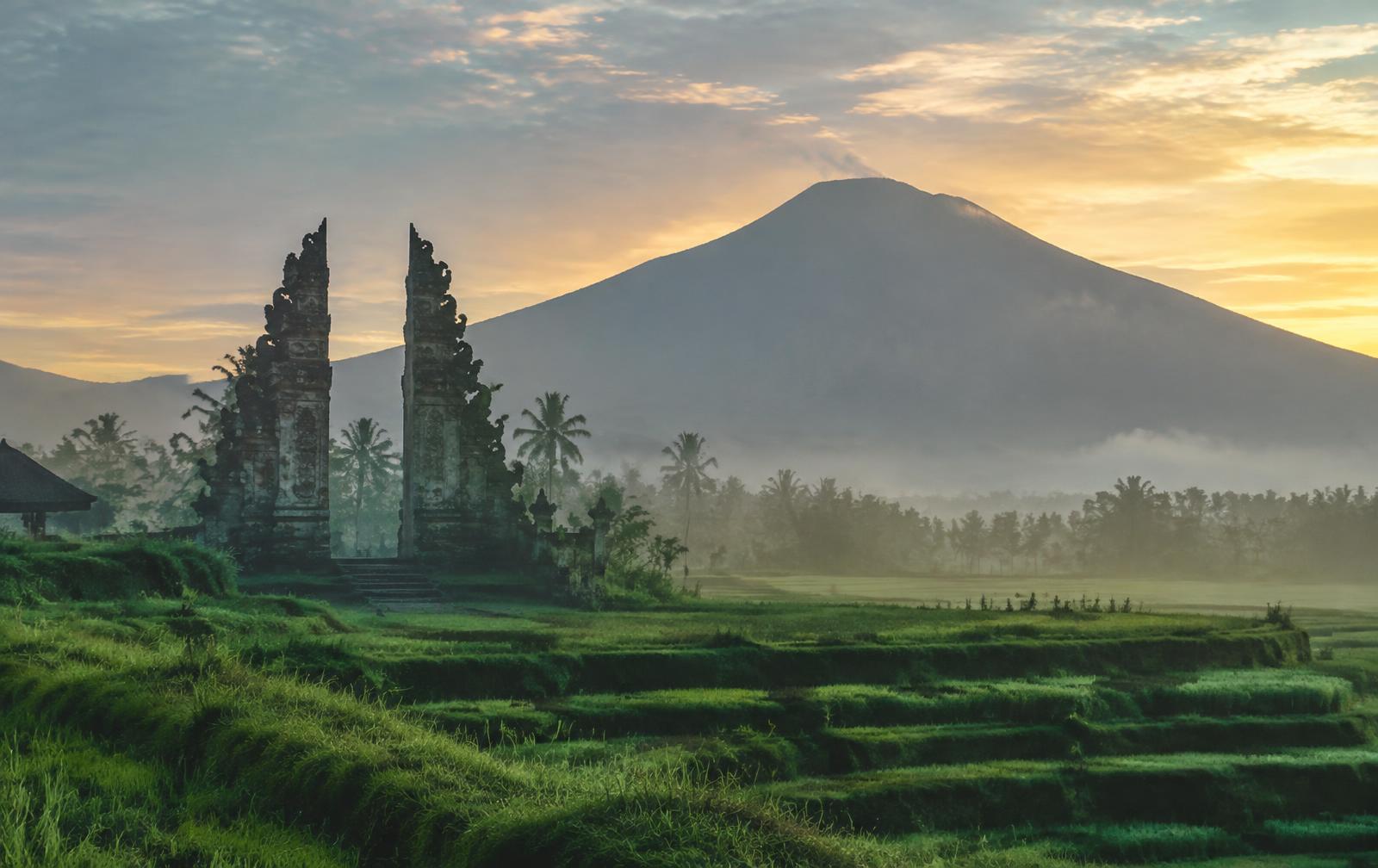
Bali’s temple towns and coastal villas pair well with Komodo’s dry hills, coral reefs and carefully timed days at sea.
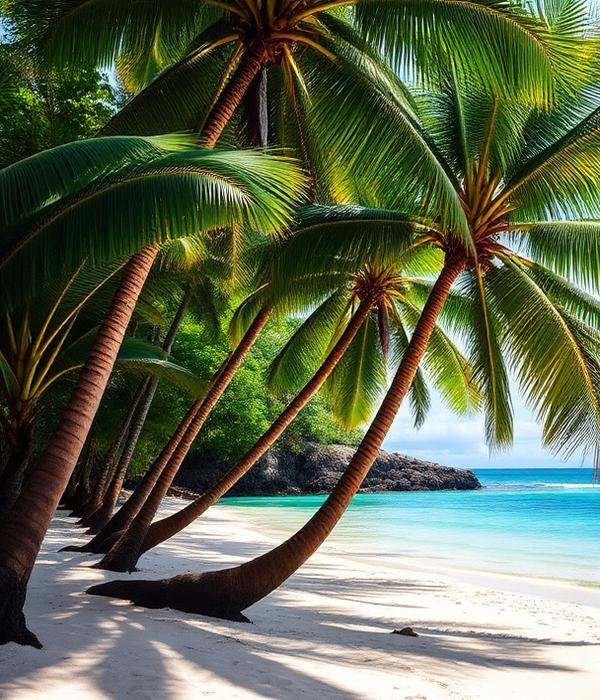
Monastery mornings, empty trails and a country that limits its own visitors. Go now, go slowly.
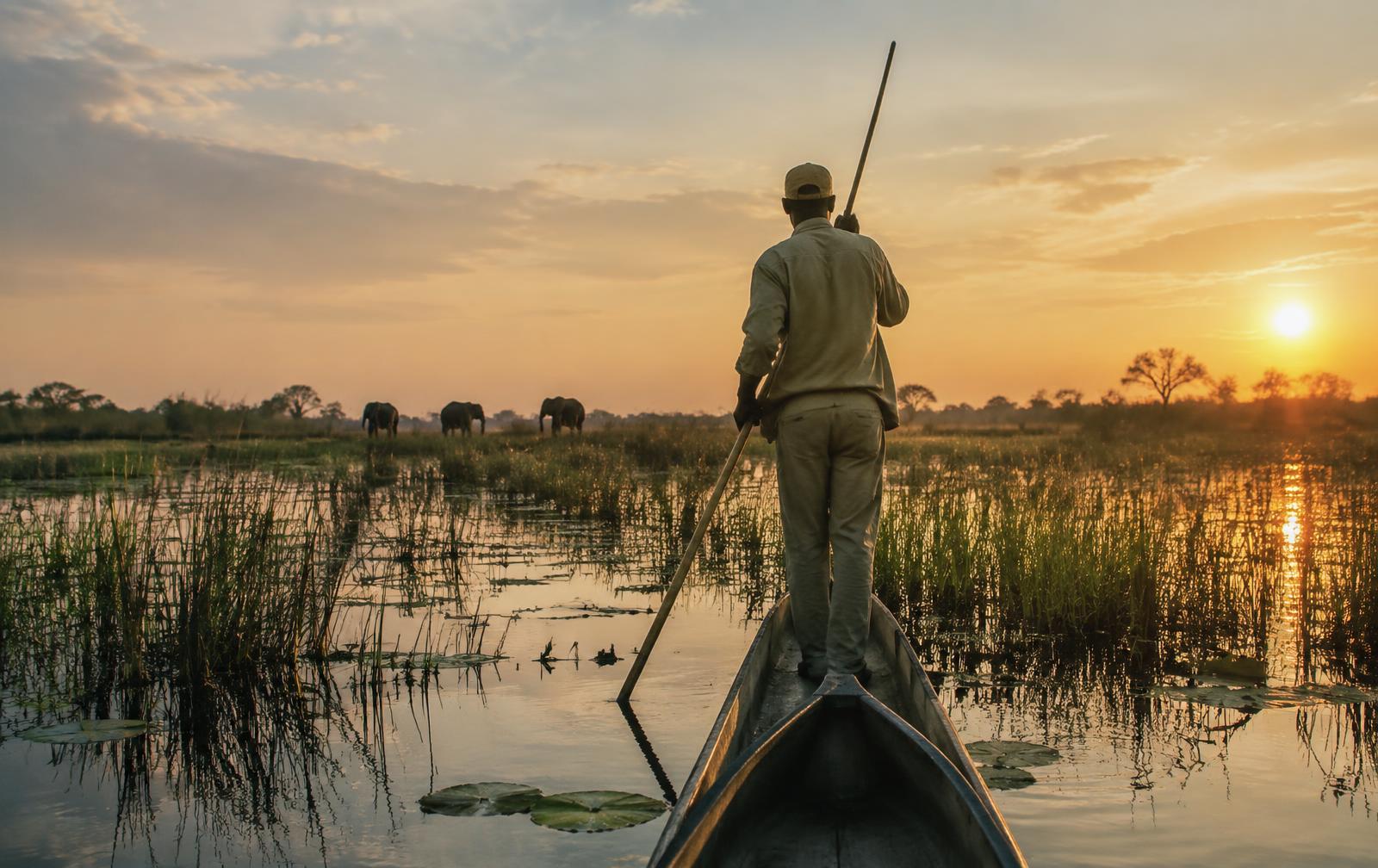
Follow Botswana’s waterways from the Okavango Delta to the Chobe River, with time to watch rather than chase wildlife.
Once-in-a-lifetime, or a long quiet weekend. Tell us what you're picturing — the first conversation is on us.