Dev Travels.
Botswana, Botswana

Botswana.

Follow Botswana’s waterways from the Okavango Delta to the Chobe River, with time to watch rather than chase wildlife.

Ideal length
9–12 nights
Gateway
Allow roughly 18–26 hours from major Indian cities to Maun or Kasane, including connections; an overnight stop may be needed.
Best months
Jun · Jul · Aug · Sep
From, per person
₹8.9L
Why Botswana

What it feels like
when it's planned well.

Best for
Who it suits
SoloCoupleFamilyMulti-generationalFriendsBalanced pace

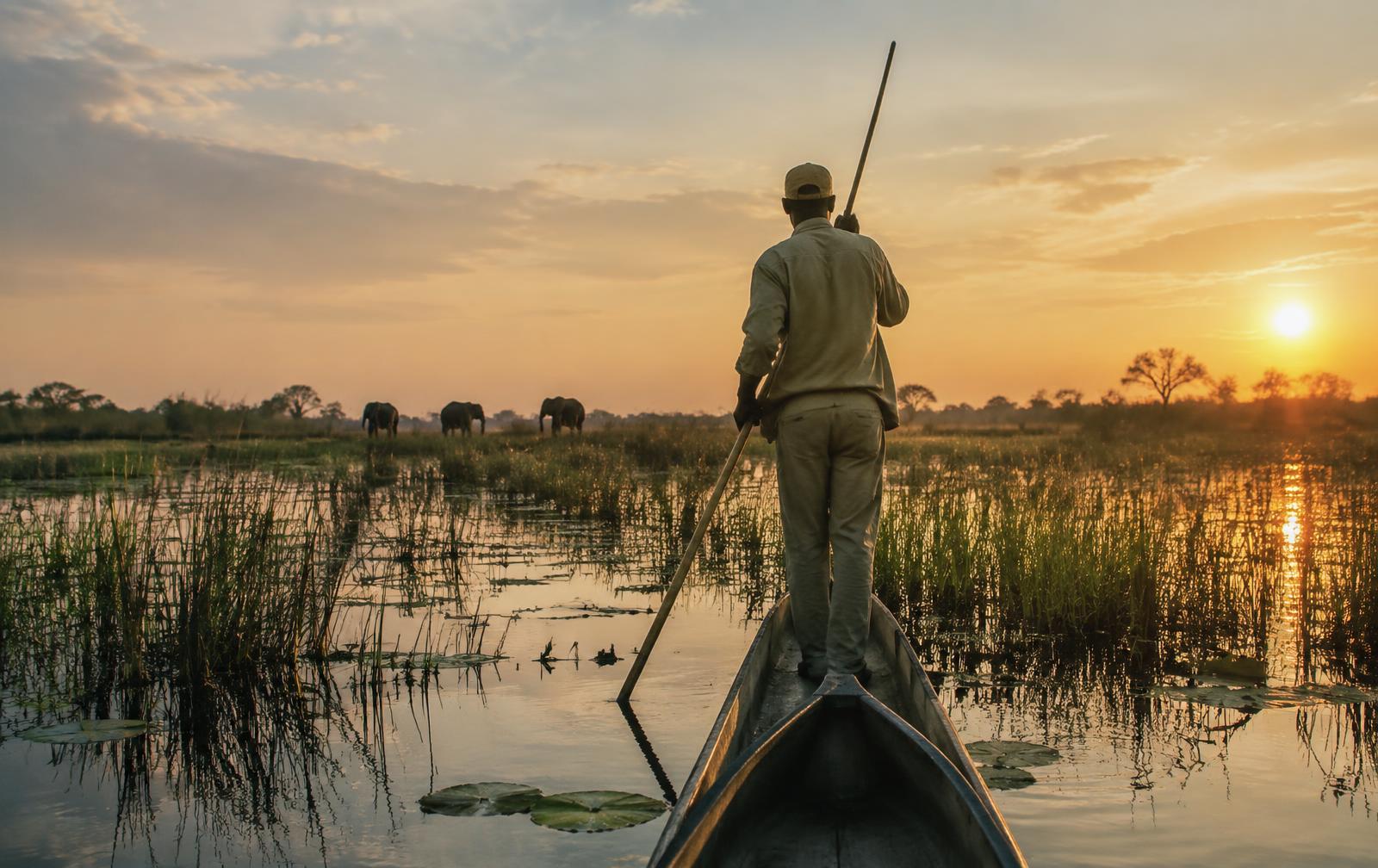
Botswana rewards time spent in a few well-chosen places. In the Okavango Delta, floodwater spreads through papyrus channels while elephants cross between wooded islands. Around the Moremi Game Reserve and Khwai, the emphasis shifts towards game drives; farther north, Chobe offers river-based wildlife watching. The distinction matters: a beautiful water camp is not necessarily the right base for someone whose priority is seeing big cats.

We plan Botswana around the month, water levels and your appetite for small-aircraft transfers, usually combining three contrasting bases over nine to twelve nights. From India, we coordinate the international connections, bush flights and camp arrangements as one journey. The honest caveat is cost: low-density safari tourism carries high nightly rates, and neither a particular sighting nor a mokoro excursion can be guaranteed, even in the recommended season.
Highlights

Three things you'd remember.

The Okavango’s seasonal flood

The Okavango’s seasonal flood

Water arriving from Angola usually spreads into the Delta during Botswana’s dry season. Choose a camp for its actual mix of channels, islands and floodplains, rather than assuming every Delta stay offers the same activities.

Moremi and Khwai by vehicle

Moremi and Khwai by vehicle

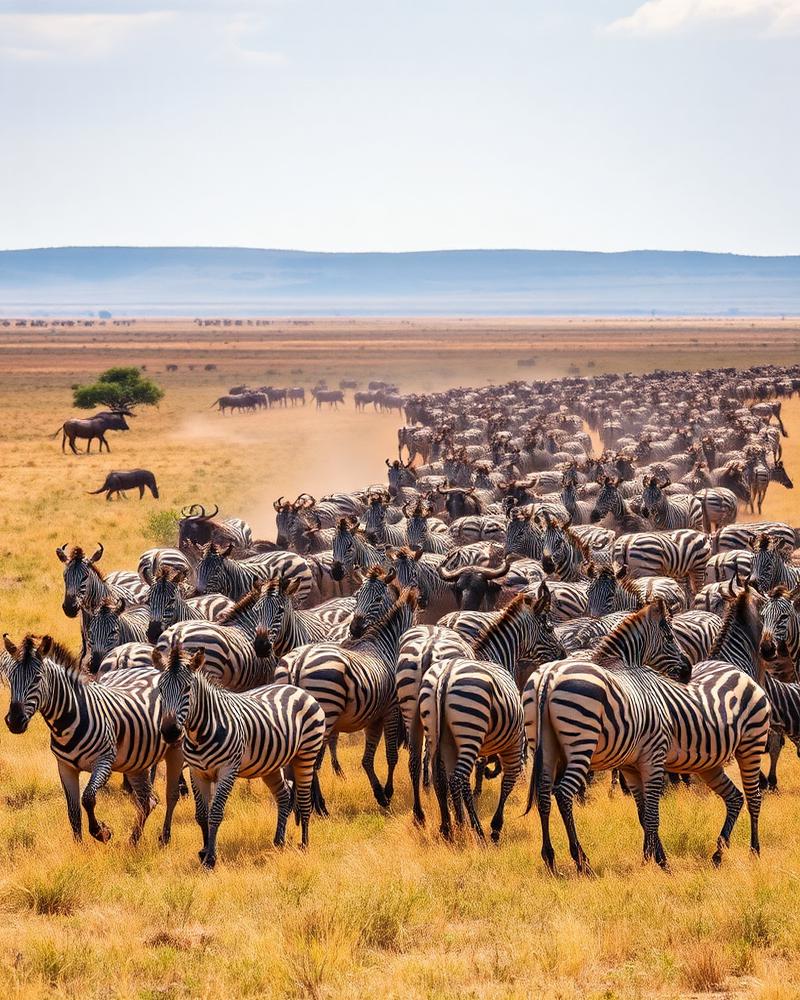
Woodland, grassland and waterways support varied wildlife viewing. Khwai’s community concession can offer night drives outside the reserve, while Moremi has stricter activity rules. Some accessible areas become busy with vehicles.

Chobe from the river

Chobe from the river

An afternoon boat trip gives a different perspective on elephants, buffalo and riverside birdlife. The Kasane riverfront is convenient but well visited; boat size and departure timing make a noticeable difference.

A shape to start from

The itinerary, before we change it for you.

Every trip we send is rewritten at least once. Treat this as a rhythm rather than a route — then tell your specialist what to cut, slow down or add.

  1. Days 1–3

    Maun to the Okavango Delta

    Arrive in Maun and connect by light aircraft to a Delta camp for three nights. Alternate guided drives with boating or mokoro excursions where water levels and camp location permit. Keep the first afternoon light after the journey from India.

  2. Days 4–6

    Khwai and the Moremi boundary

    Transfer to Khwai for three nights focused on land-based wildlife viewing. Explore the concession on early and late drives, with a possible Moremi excursion where practical. Arrange one longer photographic outing rather than filling every day with separate activities.

  3. Days 7–9

    Kasane and the Chobe River

    Fly to Kasane, subject to the bush-flight schedule, and spend three nights near Chobe. Combine river outings with drives in the national park. A private boat is worth considering for photographers and families who prefer control over the pace.

  4. Day 10

    Depart from Kasane

    Connect onwards through Johannesburg or another suitable regional gateway. We check the entire ticket sequence before confirming camps; a separate-ticket connection or overnight stop may require extra time and immigration formalities.

  5. Optional Days 10–12

    Continue to Victoria Falls

    Replace the immediate departure with two or three nights at Victoria Falls in Zimbabwe or Livingstone in Zambia. Allow for a road border crossing and separate visa requirements. Water volume, spray and visibility vary considerably through the year.

Where you'd stay

Houses we hold, not listings.

All villas & stays
Papyrus Island HouseIllustrative small water-and-land safari camp
Okavango Delta

Papyrus Island House

Planning placeholder, not a named operating property. Indicative INR per person per night on a shared, largely inclusive safari basis; water activities depend on location and flood levels.

From₹1,65,000 / night
Leadwood Floodplain LodgeIllustrative intimate tented lodge
Khwai

Leadwood Floodplain Lodge

Planning placeholder, not a named operating property. Indicative INR per person per night sharing, with meals and scheduled safari activities; private vehicles cost extra.

From₹1,10,000 / night
Chobe River HouseIllustrative riverside safari house
Kasane

Chobe River House

Planning placeholder, not a named operating property. Indicative INR per person per night sharing with meals and selected activities. Actual properties, availability and inclusions are confirmed in your proposal.

From₹65,000 / night
Access & experiences

What we can open for you.

A quiet hour by mokoro

Travel through shallow Delta channels with a trained poler, watching reed frogs, water lilies and birds at close range. This is a slow landscape experience, not a substitute for a game drive; age restrictions and local safety conditions apply.

Photograph Chobe from water level

Arrange a smaller boat with room for camera equipment and an unhurried afternoon on the river. Elephant crossings are possible, not promised, and wildlife must always be given space.

Understand community-led tourism in Khwai

Where locally available and welcomed, arrange a hosted conversation about the community concession and how tourism supports livelihoods. We favour paid, locally led encounters over unscheduled village visits.

Walk with a qualified safari guide

At camps authorised to offer walks, follow tracks and examine the smaller details of the bush. Walks depend on guide availability, terrain and wildlife conditions, with minimum ages set by the operator.

When to go

The months that work.

Jan
Feb
Mar
Apr
May
Jun
Jul
Aug
Sep
Oct
Nov
Dec
Prime Shoulder — quieter, better value

Good to know

Visa
Indian passport holders generally require a Botswana visa before travel and can apply through the official eVisa system. Check current documentation and processing times before ticketing. South African entry or transit requirements depend on the routing, particularly where an overnight stay or baggage collection is involved.
Getting around
Maun is the main Delta gateway; Kasane serves Chobe. Remote camps are commonly linked by light aircraft, sometimes with intermediate stops. Soft-sided luggage is normally required, with a typical total allowance of 15–20 kg including hand luggage; the confirmed operator’s limits take precedence.
Pace
Three nights per camp is a useful minimum. Safari days often begin before sunrise, pause through the hottest hours and resume in late afternoon. Shared activities follow camp schedules; a private vehicle offers more flexibility.
Health
Malaria occurs in northern Botswana, including the principal safari regions. Seek personalised advice on prophylaxis and routine vaccinations before travel. Yellow fever certification may be required when arriving from, or after qualifying transit through, a risk country. Carry insurance covering remote medical evacuation.
Currency
The Botswana pula, abbreviated BWP, is the local currency. Many camps accept major cards, but connectivity can fail and remote camps have no ATMs. Confirm gratuity arrangements and carry a modest cash reserve.
Choose the habitat before the camp: in Botswana, the distinction between a water-based stay and a land-based safari changes the whole journey.
Dev Travels planning note
Botswana, in frames
Botswana scene 1
Botswana scene 2
Botswana scene 3
Botswana scene 4
Botswana scene 5
Botswana scene 6
Botswana questions

Asked often.

June to October generally offers strong dry-season wildlife viewing, though October can be intensely hot. July and August bring cold early mornings and high demand. April, May and November can offer better value, with more variable conditions. The wetter months bring greener landscapes and excellent birding, but some routes and activities are less reliable.

Allow from INR 895,000 per person for an approximately nine-night, tailor-made safari, based on two sharing and carefully chosen dates and camps. A proposal would typically include accommodation, meals, scheduled safari activities and specified internal transfers. International flights, visas, insurance, gratuities and private activities are additional unless stated. Peak-season private-concession camps can push the total substantially higher.

Yes, with careful camp selection. Minimum ages differ, and mokoro trips or guided walks often have stricter limits than game drives. For younger children, we look for family accommodation, manageable transfers and a private vehicle where required. Malaria precautions should be discussed with a travel-health clinician.

Do not choose this itinerary on that promise. Elephant, buffalo, lion and leopard occur in the regions visited, but sightings remain uncertain and rhino viewing is particularly limited. Botswana is better approached for varied habitats and sustained wildlife observation than for completing a checklist.

Ready when you are

Let's plan
something real.

Once-in-a-lifetime, or a long quiet weekend. Tell us what you're picturing — the first conversation is on us.