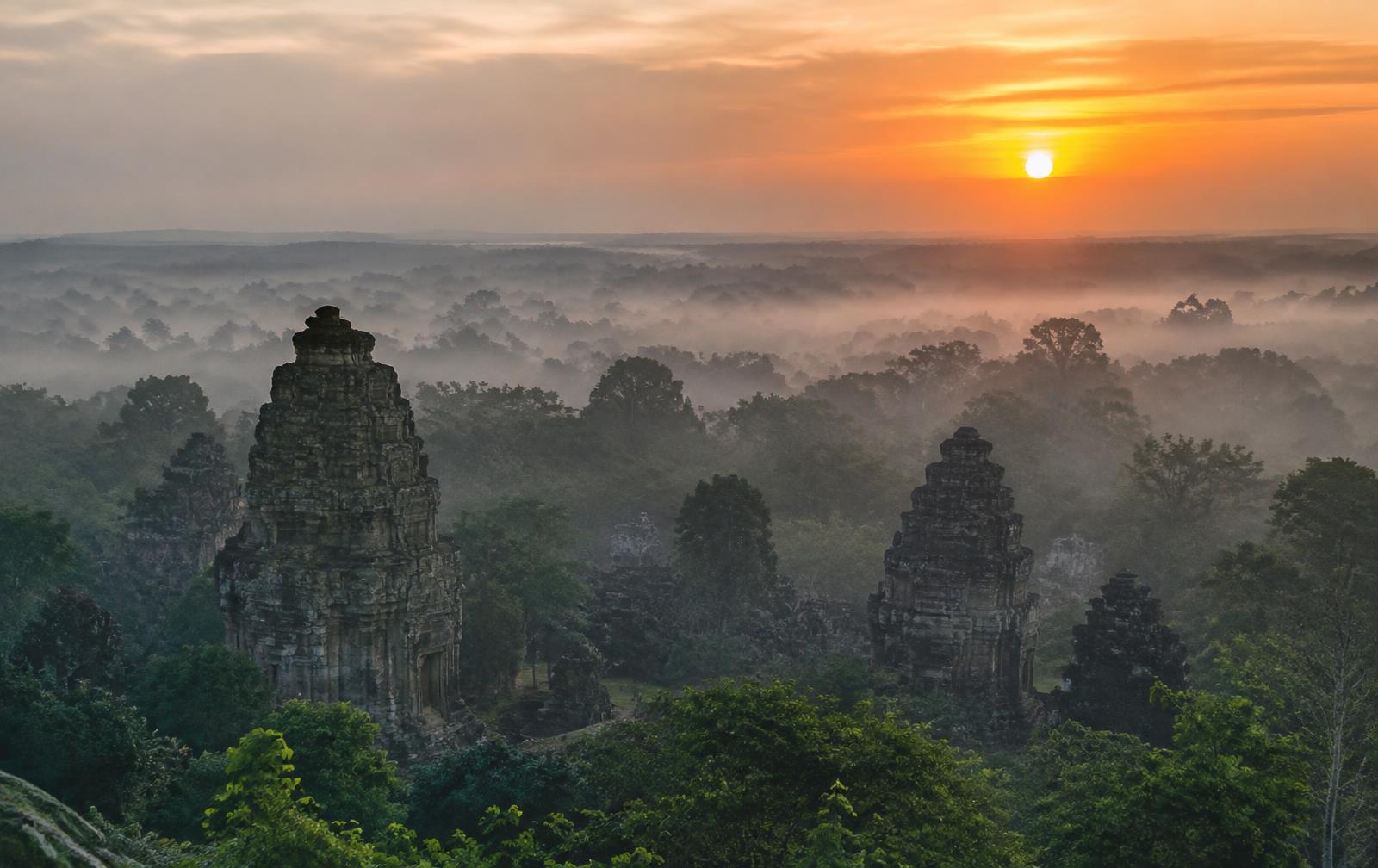
Angkor with time to look
Pair Angkor Wat and the Bayon with Banteay Srei’s finely worked sandstone. We separate the major visits rather than compressing them into one hot, crowded day.
From Angkor’s sandstone galleries to Phnom Penh’s riverside streets, Cambodia rewards early starts, thoughtful guiding and time beyond the temples.
Angkor deserves more than a hurried circuit of its best-known temples. Spend four nights in Siem Reap and there is time for the carved galleries of Angkor Wat, the quieter paths around Angkor Thom and a village lunch beyond the archaeological park. Phnom Penh adds contemporary Cambodian life and difficult, necessary history; the islands off the southern coast offer a slower finish, when the weather allows.
We plan Cambodia around the hours as much as the places: temple visits before the heat builds, proper breaks at midday and guides who can explain both Khmer architecture and recent history without overwhelming the day. A ten-night private journey starts indicatively at INR 315,000 per person, sharing. The caveat is transport: coastal connections can consume most of a day, and island comfort does not always mean polished service.
Pair Angkor Wat and the Bayon with Banteay Srei’s finely worked sandstone. We separate the major visits rather than compressing them into one hot, crowded day.
Explore the Royal Palace, the National Museum and the city’s markets, with a separately paced visit to sites documenting the Khmer Rouge period.
Stay on Koh Rong for swimming, beach walks and little that requires a timetable. November to April usually offers the most reliable conditions, though sea crossings remain weather-dependent.
Every trip we send is rewritten at least once. Treat this as a rhythm rather than a route — then tell your specialist what to cut, slow down or add.
Transfer from Siem Reap Angkor International Airport, allowing around an hour or more to town. Settle in before an early temple start the following morning, with Angkor Wat’s galleries and an afternoon break built into the day.
Visit the Bayon and Ta Prohm across a carefully timed circuit, then head to Banteay Srei on a separate morning. Leave space for Cambodian cooking or an artisan workshop in Siem Reap rather than adding another temple by default.
Drive to Phnom Penh, normally six to seven hours before extended stops. The following day combines the Royal Palace or National Museum with an optional visit to Tuol Sleng; we discuss its distressing content before including it, particularly for families.
Take a private road transfer towards Sihanoukville and a scheduled or privately arranged boat to Koh Rong. Allow most of the day for the connection. Spend four nights by the coast, with swimming and boat outings governed by local conditions.
Cross to Sihanoukville and continue to the departure airport. An overnight mainland buffer may be necessary before an early international flight; we do not build tight connections around an island boat.
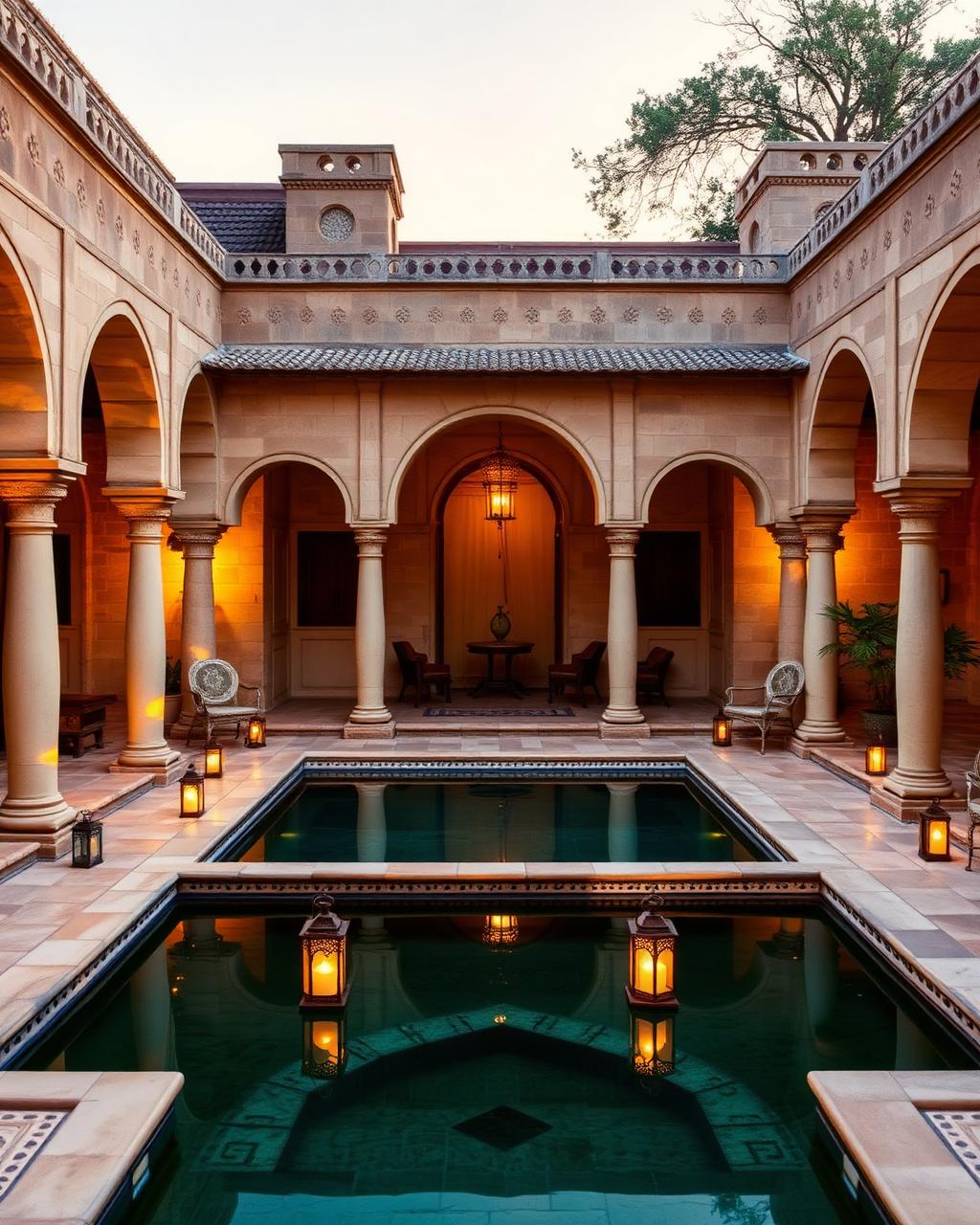
Illustrative private pool houseAn example of the stay style we would source, not a confirmed property. Seek shaded outdoor space and easy restaurant access; Angkor still requires a vehicle.
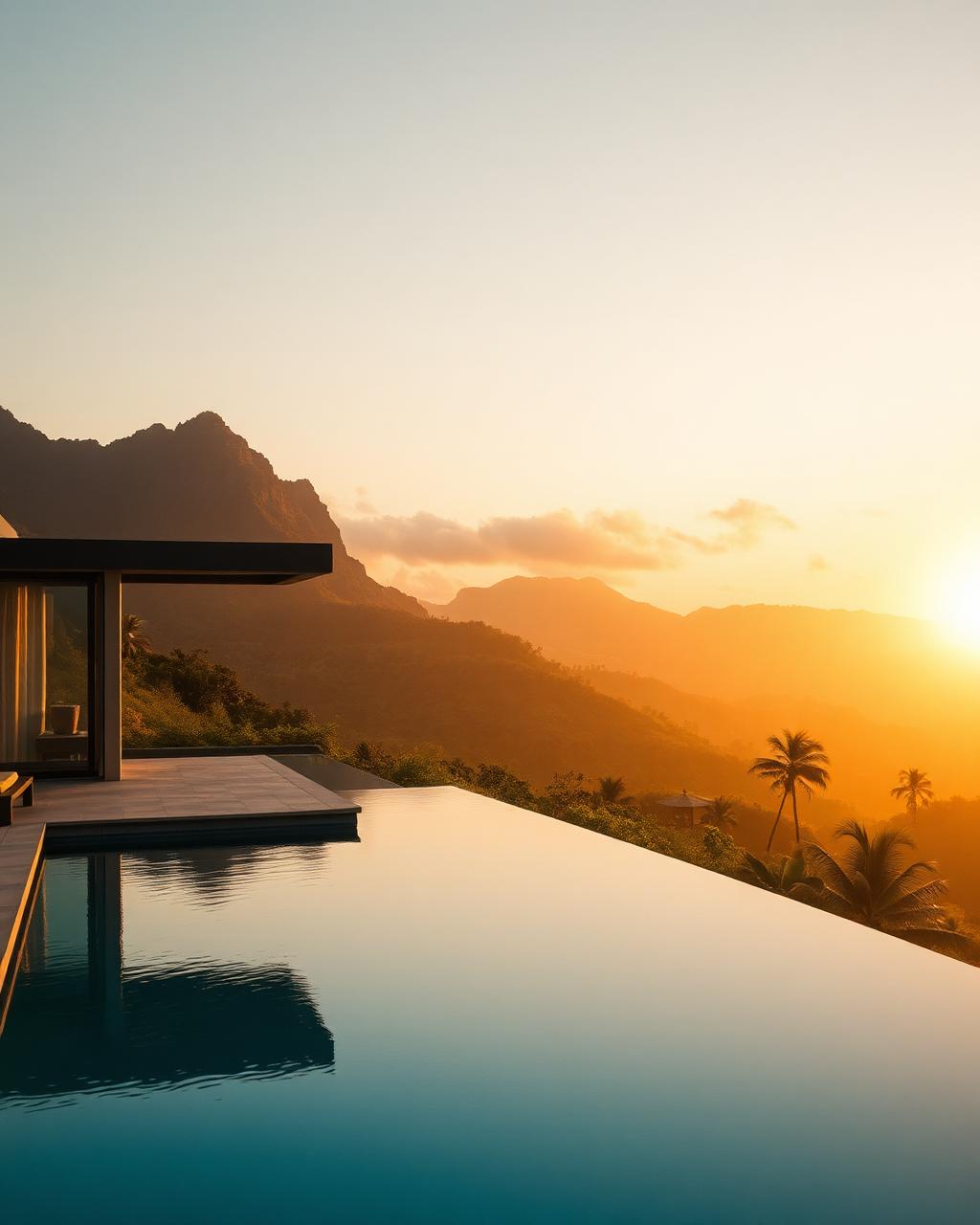
Illustrative serviced private residenceAn illustrative option rather than a named operating property. A central address reduces driving, but traffic and street noise need checking.
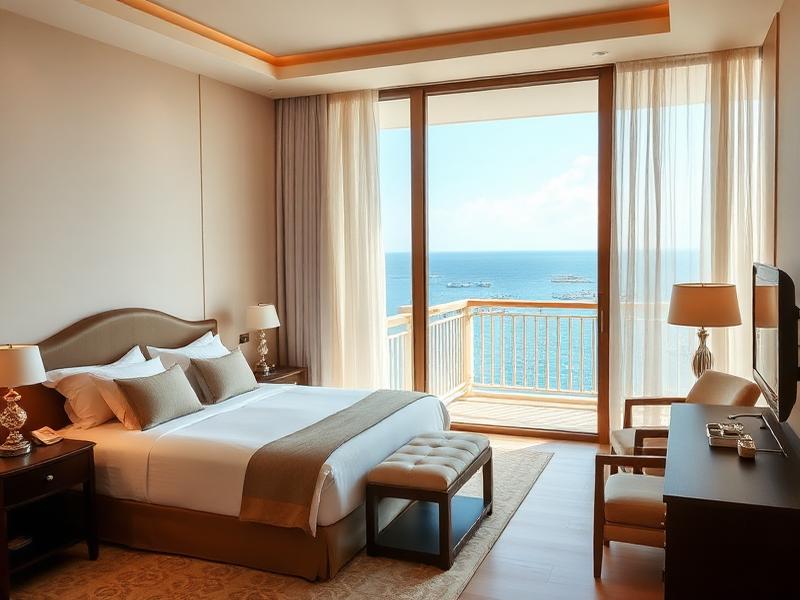
 Illustrative beachfront villa
An example of a villa we might source, subject to availability. Beach access, boat landing arrangements and dining provision matter more than the room photographs.
Spend time with a specialist guide examining Angkor Wat’s bas-reliefs rather than simply moving between viewpoints. Sunrise is optional: it is atmospheric, but rarely quiet.
Arrange a market visit and private cooking session in Siem Reap, exploring kroeung spice paste, freshwater fish and seasonal vegetables. Vegetarian menus need advance planning because fish sauce and prahok are common.
Consider a boat visit around Kampong Khleang when water levels suit. The landscape changes substantially through the year; we favour locally operated visits and avoid school or orphanage tourism.
Visit Tuol Sleng or Choeung Ek with a guide who provides context and space for reflection. These are memorial sites, not stops to squeeze between lunch and shopping.
“Our planning principle: give Angkor several mornings, leave the hottest hours open, and never make an island crossing the weak link in a flight connection.”
It is an indicative per-person planning level for ten nights, based on two adults sharing, with accommodation, private road transfers, guiding and selected visits. International flights, visa fees, insurance and unlisted meals are additional. Final inclusions and seasonal pricing are confirmed in a written proposal.
Stay figures are illustrative nightly accommodation rates in INR, not per-person package prices. The house and villa names describe proposed stay concepts, not verified bookable properties. Occupancy, taxes, meals and availability must be confirmed when actual accommodation is selected.
Yes, particularly for green landscapes and a less busy cultural circuit. May to October brings rain, often in heavy spells, and September and October can be especially wet. Island stays are less dependable because rough seas can disrupt crossings; October is a conditional shoulder month, not a dry-season guarantee.
Yes, with shorter temple visits, a pool and realistic transfer days. We tailor historical content to age and interest. Remote island accommodation needs particular care around swimming conditions, medical access and food requirements.
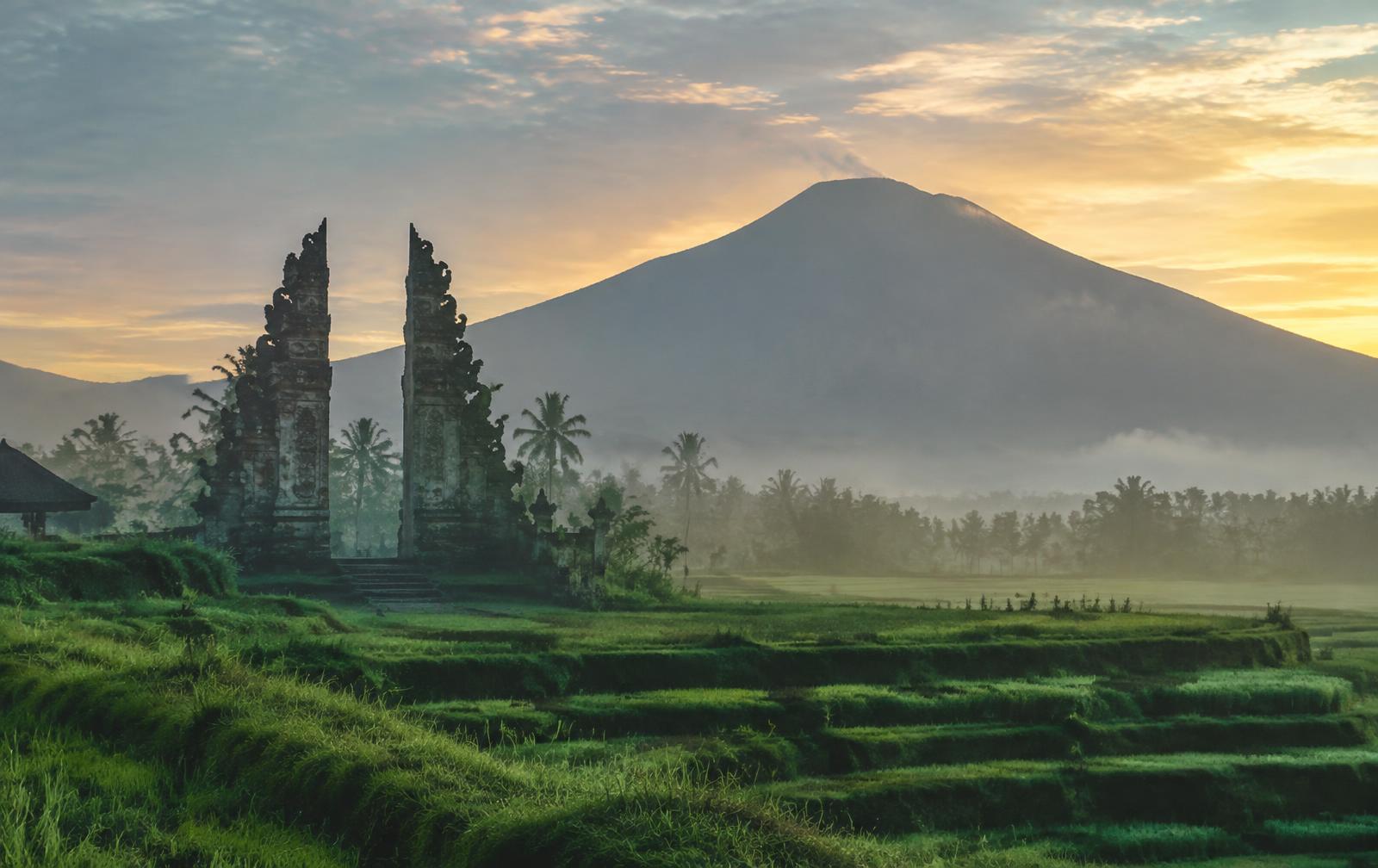
Bali’s temple towns and coastal villas pair well with Komodo’s dry hills, coral reefs and carefully timed days at sea.
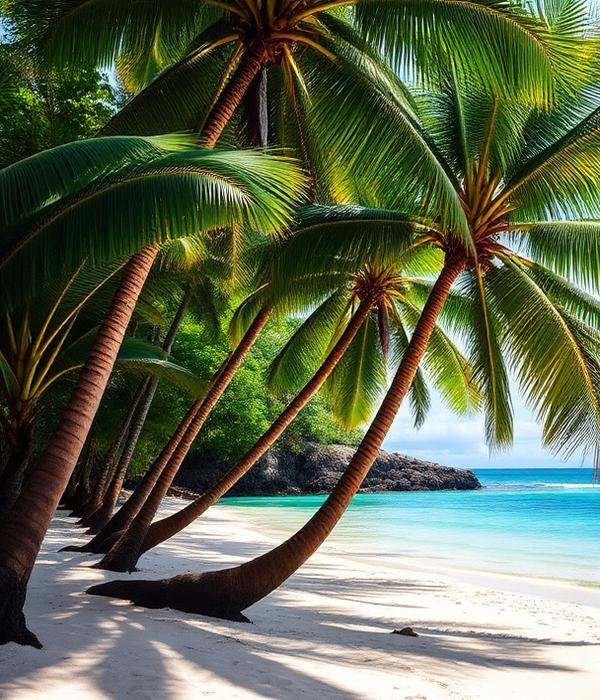
Monastery mornings, empty trails and a country that limits its own visitors. Go now, go slowly.
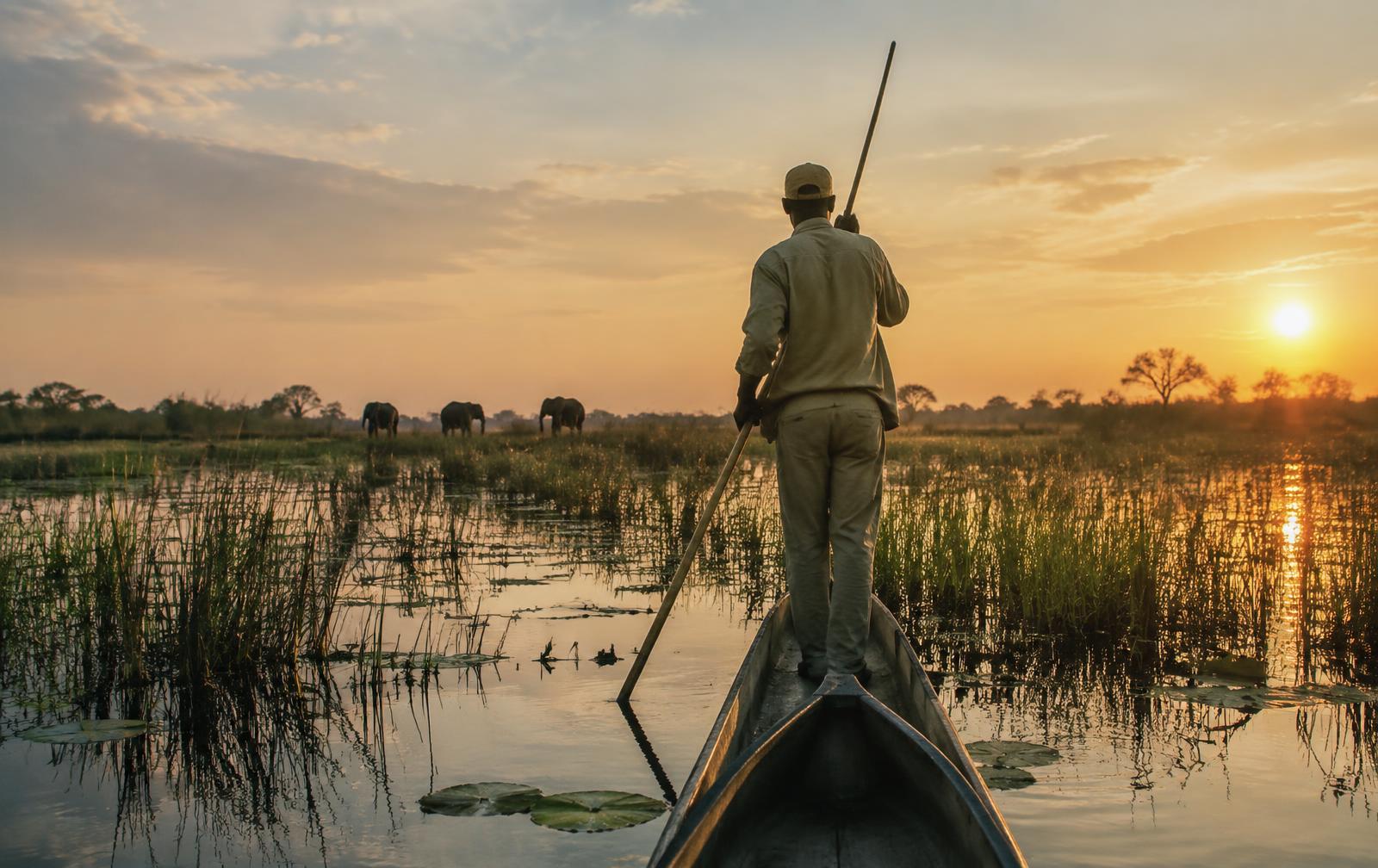
Follow Botswana’s waterways from the Okavango Delta to the Chobe River, with time to watch rather than chase wildlife.
Once-in-a-lifetime, or a long quiet weekend. Tell us what you're picturing — the first conversation is on us.