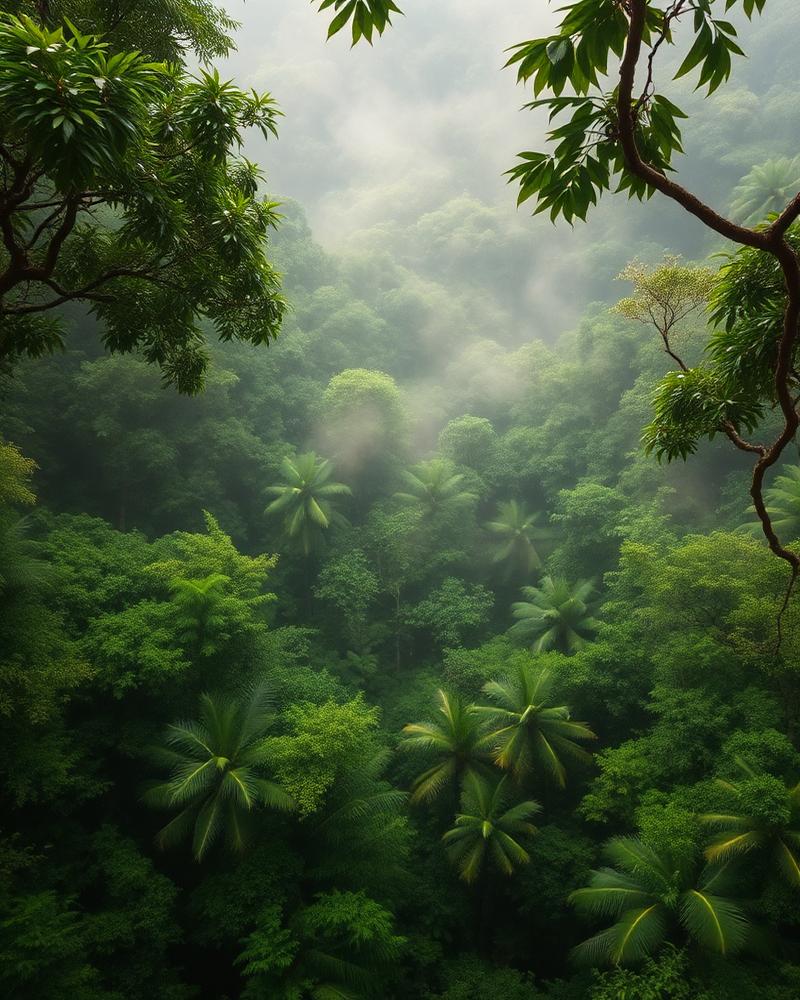
Wildlife Conservation & Purpose
Travel that leaves something behind.
This is not voluntourism. It is access to researchers, rangers and community projects that our long relationships allow — a morning with a rhino monitoring unit, a day with a forest school, an evening with the people counting what is left.
We are careful about which projects genuinely benefit from visitors, and honest about which do not.
The three things guests remember.
Out with the team that tracks individual animals, learning how the data is actually gathered.
Meeting the people who live with the wildlife, and hearing the parts brochures leave out.
We tell you exactly where the conservancy fee goes, and what it paid for last year.
Destinations we'd choose for this.
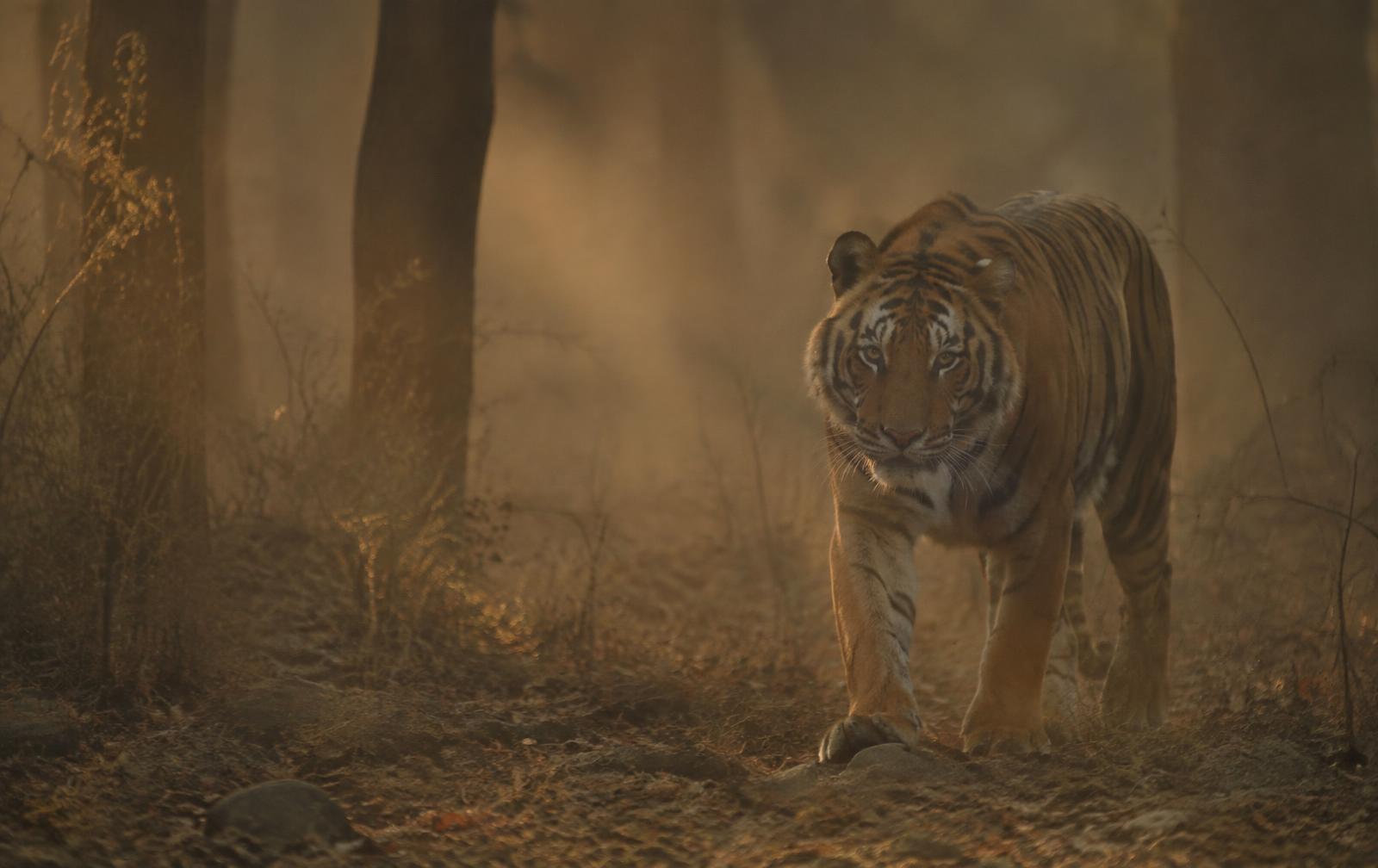
Madhya Pradesh
From Khajuraho’s carved temples to the forests of Panna, Bandhavgarh and Kanha, Madhya Pradesh rewards time spent looking closely.
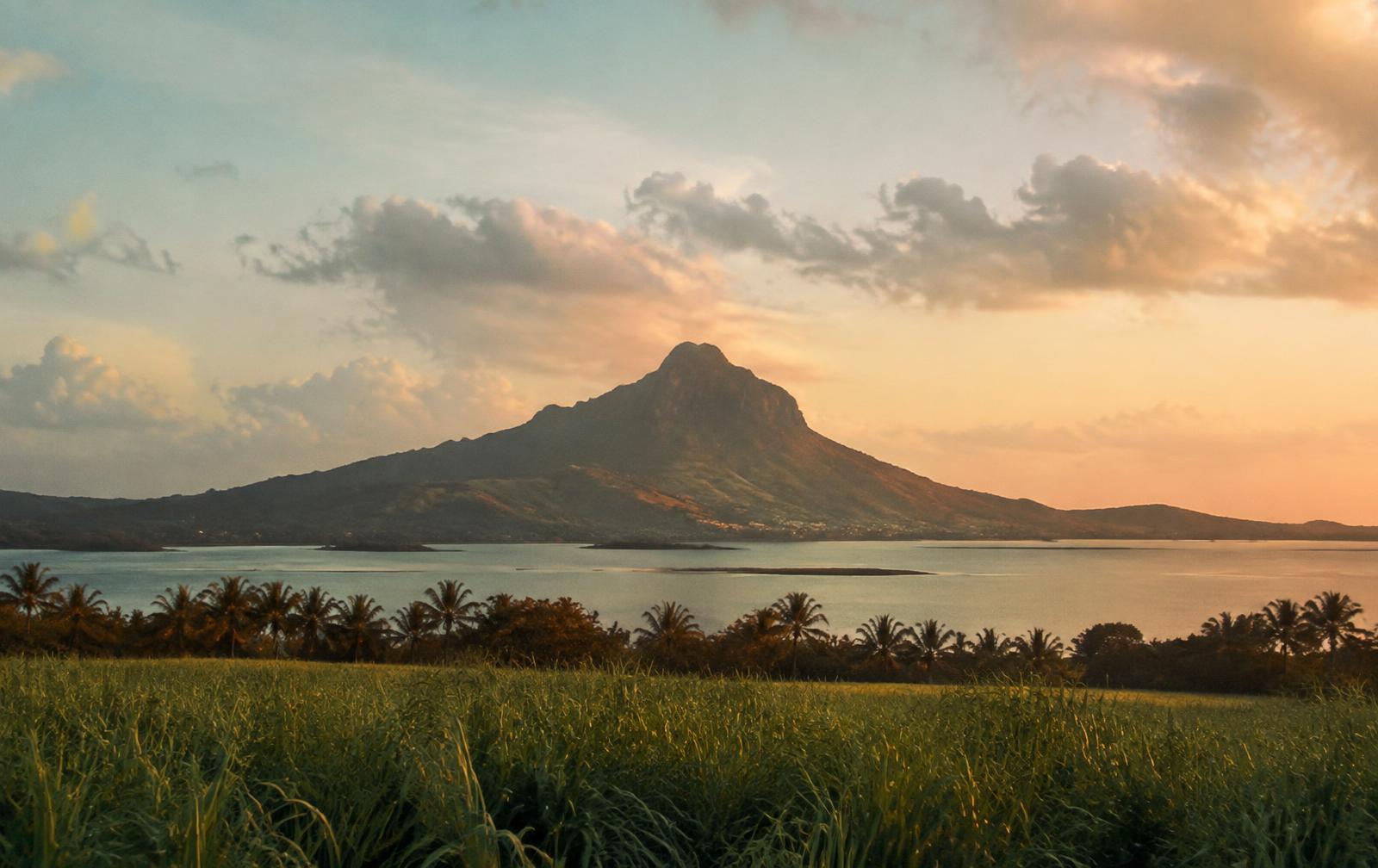
Mauritius
Mauritius pairs sheltered lagoons with Creole kitchens, volcanic hills and enough inland variety to reward time away from the beach.
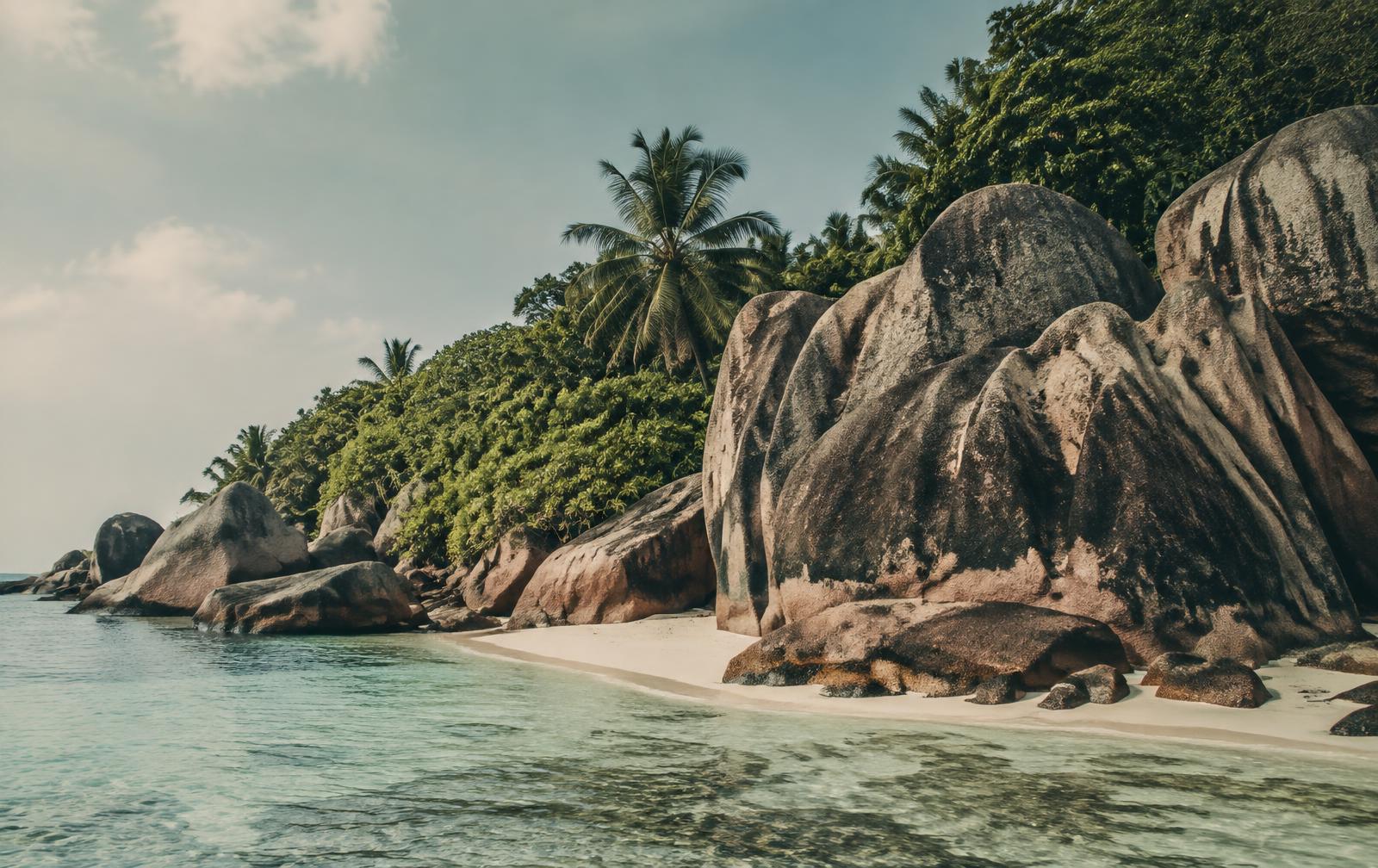
The Seychelles
Granite headlands, Creole kitchens and island days shaped around the sea, from Mahé’s mountain roads to La Digue’s bicycles.
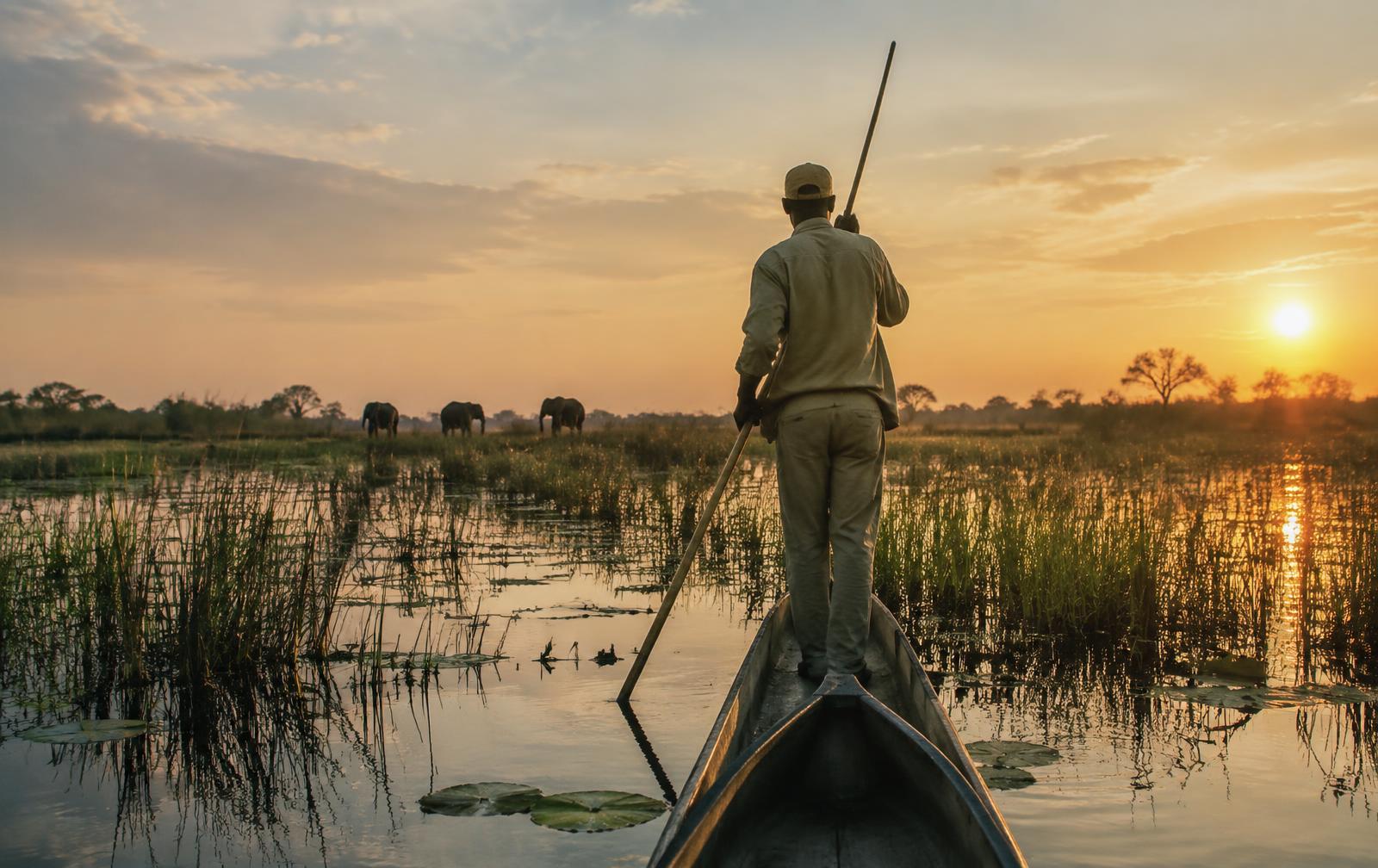
Botswana
Follow Botswana’s waterways from the Okavango Delta to the Chobe River, with time to watch rather than chase wildlife.
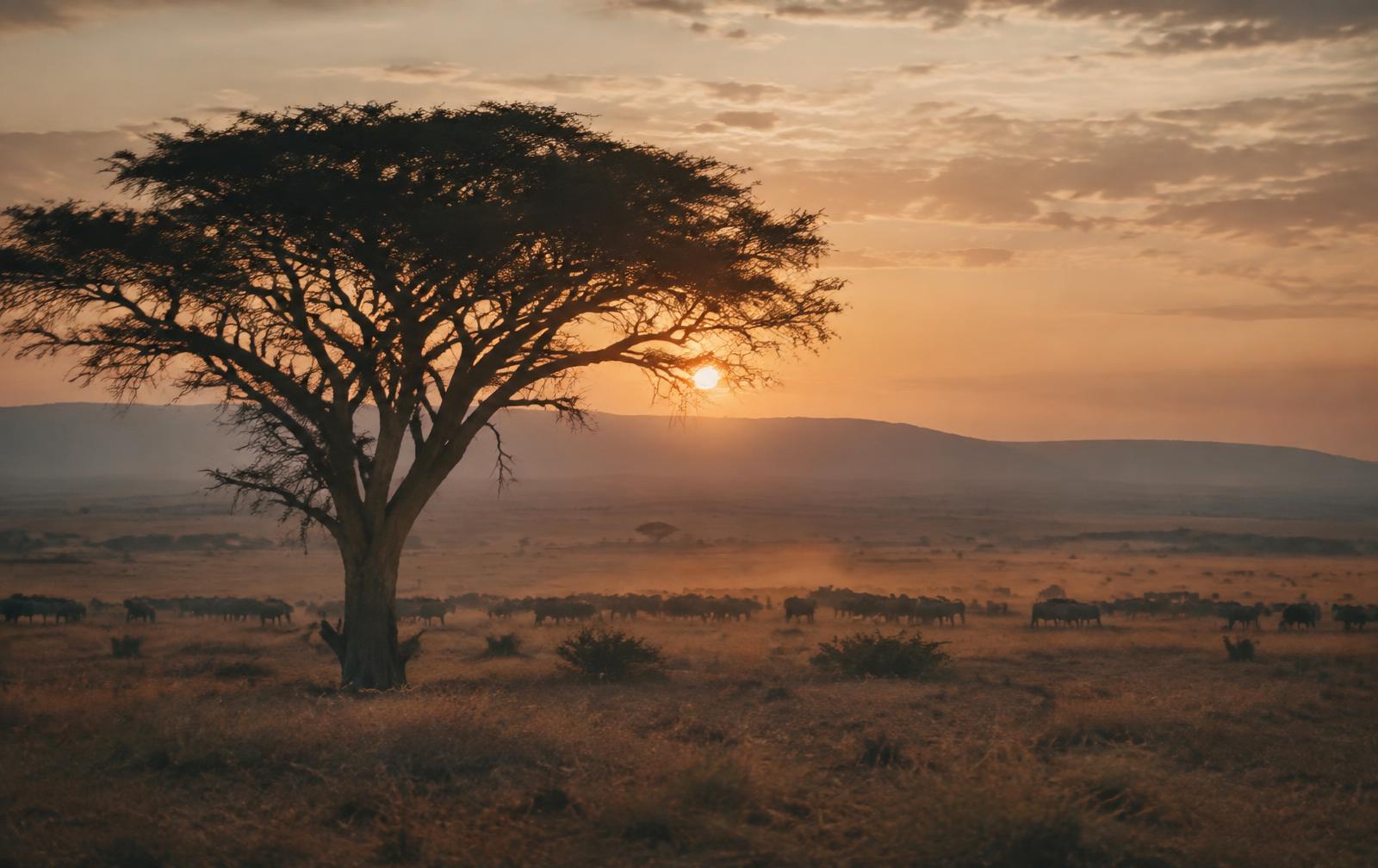
Tanzania
Follow Tanzania’s wildlife across the northern plains, then trade early starts for Stone Town’s lanes and the tides of Zanzibar.
The months that work.
Teenagers get more out of this than young children. The days involve listening.
We will decline a project if we think a visit costs it more than it gains.
“Our daughter came home wanting to be a field biologist. Nothing else on the trip did that.”
What guests ask.
Usually two or three days inside a wider journey works better than a fortnight of it.
Only where the work is real and needed. Otherwise you observe, ask and support.
Direct to the conservancy or trust, itemised on your itinerary.
Let's plan
something real.
Once-in-a-lifetime, or a long quiet weekend. Tell us what you're picturing — the first conversation is on us.