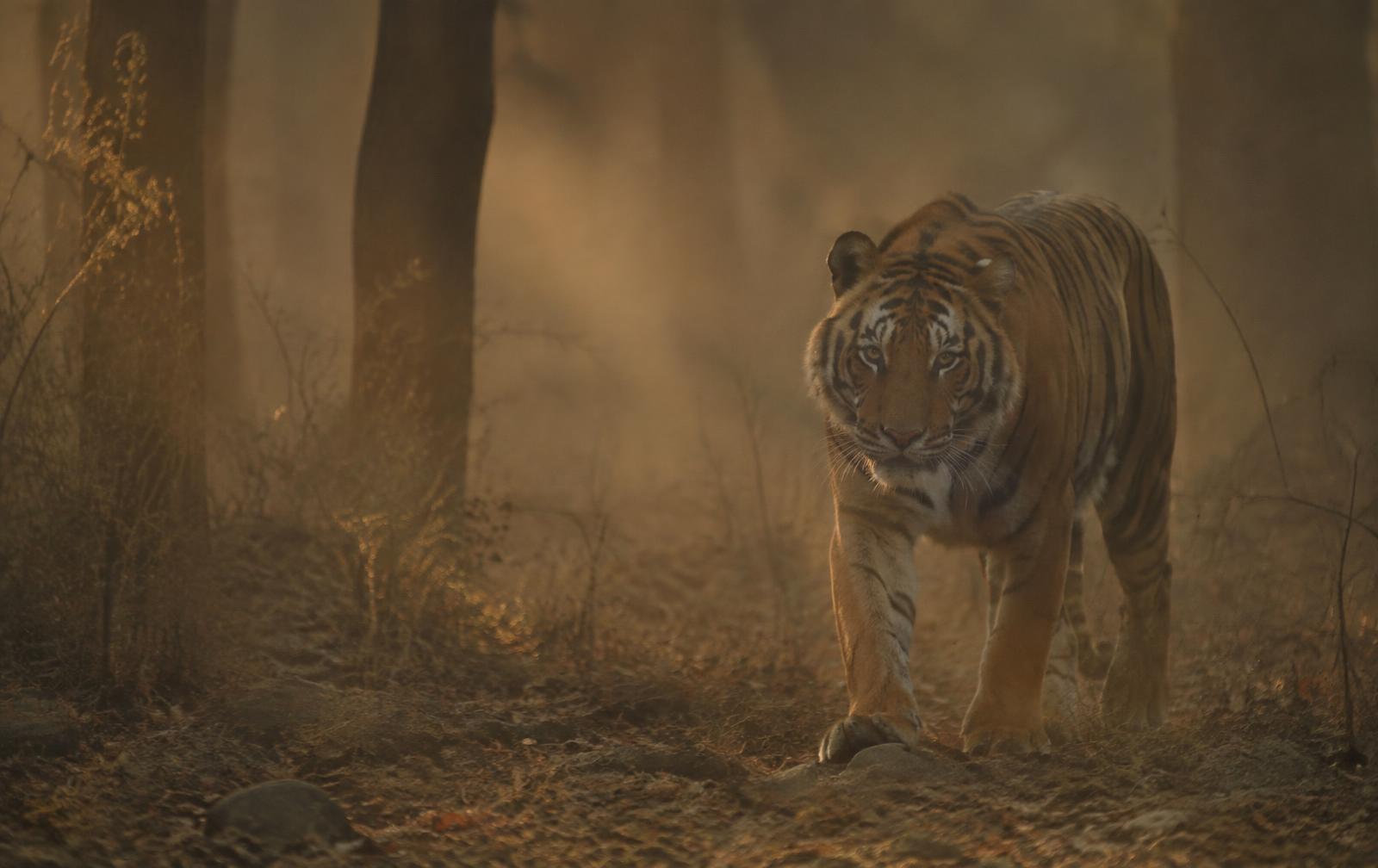
Kanha beyond the tiger
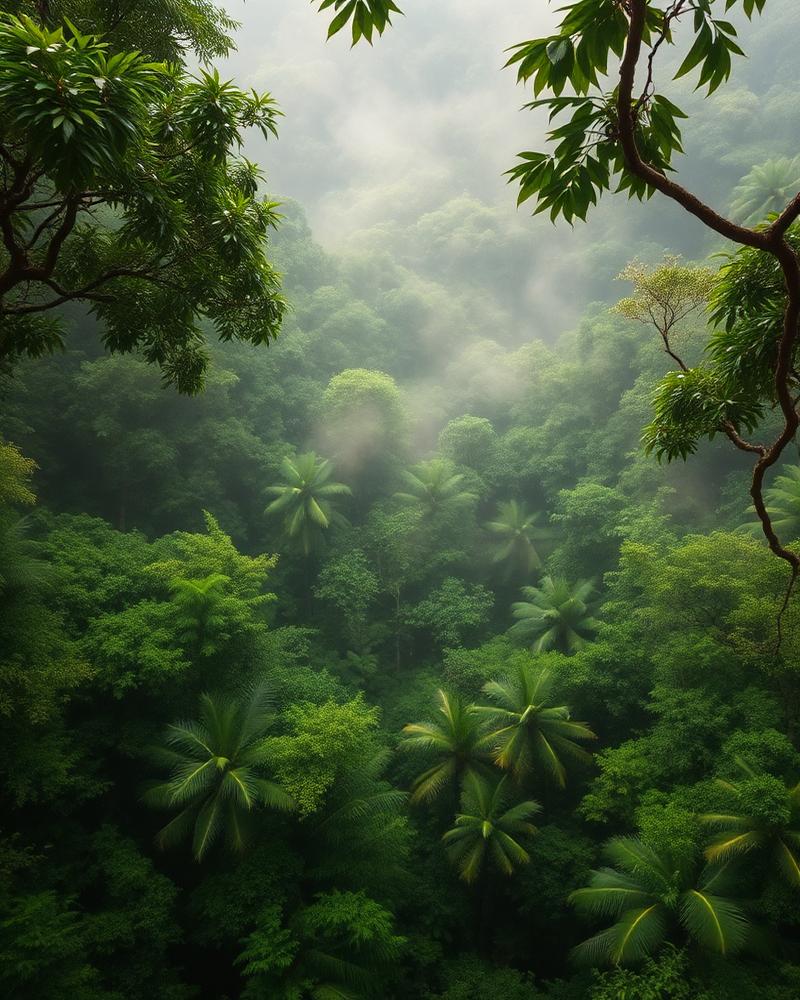
Sal forest and open meadows support hard-ground barasingha, gaur and a considerable bird population. Several mornings here give a naturalist time to explain the habitat, rather than simply pursue sightings.
From Khajuraho’s carved temples to the forests of Panna, Bandhavgarh and Kanha, Madhya Pradesh rewards time spent looking closely.
Madhya Pradesh brings two substantial journeys together: the temple towns and historic settlements of central India, and forests where tiger conservation shapes the landscape. Khajuraho deserves more than a stop between flights; Kanha deserves more than two hurried game drives. We favour a considered route through Bundelkhand and the eastern tiger reserves, with good naturalists, private vehicles and enough time to notice what lies beyond the headline sightings.
We plan around confirmed safari permits first, then connect the right park gates, small lodges and flight schedules. An indicative budget starts at INR 395,000 per person for a privately arranged journey of around twelve nights, depending on season and inclusions. The honest caveat is distance: several transfers take most of a day, tiger sightings are never assured, and the most productive hot-weather safaris can also be physically demanding.
Sal forest and open meadows support hard-ground barasingha, gaur and a considerable bird population. Several mornings here give a naturalist time to explain the habitat, rather than simply pursue sightings.
Explore the western temple group with a specialist guide who can place its sculpture within Chandela history, architecture and religious life. Return independently for a slower look.
Dry deciduous woodland, rocky escarpments and the Ken River give Panna a character distinct from Kanha. Its tiger recovery is also a useful introduction to the complexities of active conservation.
Every trip we send is rewritten at least once. Treat this as a rhythm rather than a route — then tell your specialist what to cut, slow down or add.
Arrive at Khajuraho, subject to suitable flights, and settle in for two nights. Spend the next morning with a specialist at the western temple group, leaving the afternoon for the eastern Jain temples and time off.
Transfer approximately one to two hours to accommodation near your confirmed Panna entry gate. Include two or three permitted safari drives across these days, with a quiet interval between outings. Birdwatching around the lodge adds a different scale of observation.
Allow roughly six to seven hours for the road journey to Bandhavgarh, depending on the lodges used. Over four nights, schedule several morning and afternoon drives around available permits, with a free half-day for rest. Routes and zones follow forest-department allocations.
Drive approximately six to eight hours to Kanha; the chosen gate materially affects the journey. Spend four nights here, combining game drives with lodge-ground birding and unhurried afternoons. Keep one morning free if repeated pre-dawn starts begin to tell.
Transfer to the airport best suited to your Kanha lodge and onward flight. Allow approximately four to six hours by road, plus a sensible check-in margin; an early departure flight may require an overnight near the airport.
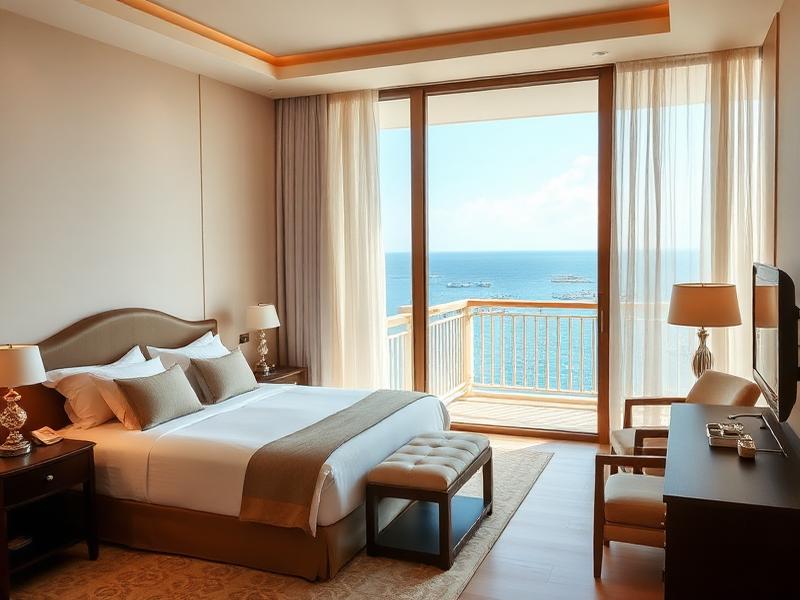
Illustrative private heritage-style houseA proposed accommodation style, not a verified operating property. Indicative INR per person per night, based on two sharing, with meals and private guiding; actual options are confirmed during planning.
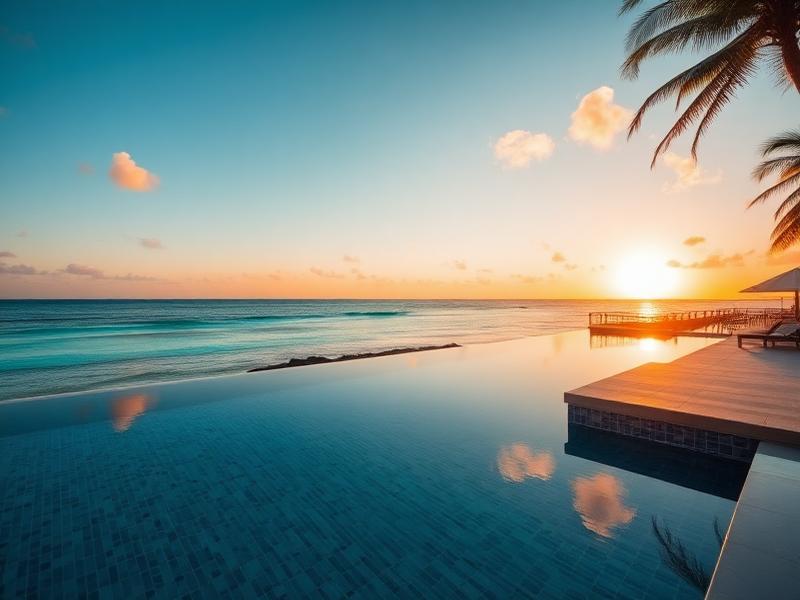
Illustrative small forest lodgeA proposed accommodation style, not a verified operating property. Indicative INR per person per night, based on two sharing, with meals and a private safari allowance; permits remain subject to availability.
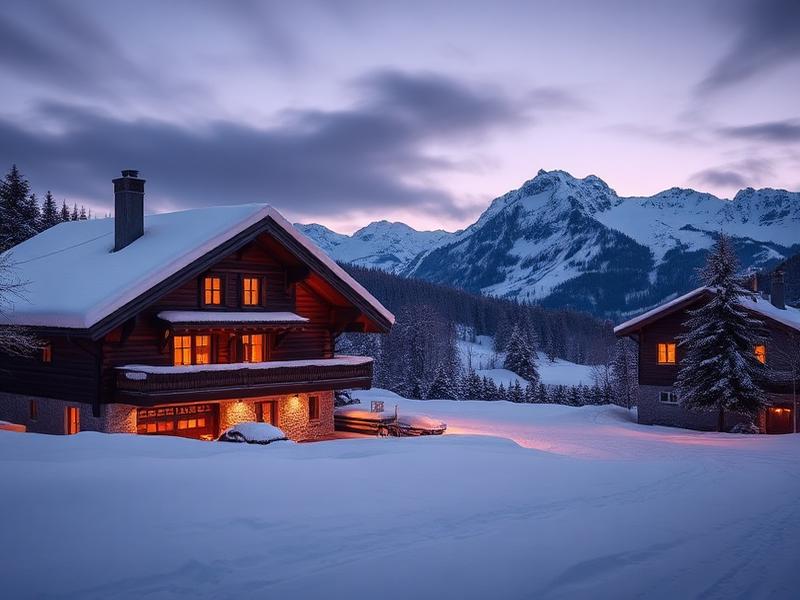 Illustrative private safari house
A proposed accommodation style, not a verified operating property. Indicative INR per person per night, based on two sharing, with meals, naturalist support and private safaris as specified in the final quotation.
Follow the temple architecture from platform to spire, examining everyday scenes alongside divine figures. Start early in warmer months and allow time to walk between monuments rather than treating the complex as a photographic stop.
Use a vehicle reserved for your party, with the required park guide and lodge naturalist where arranged. Private does not mean unrestricted access: entry times, zones, routes and wildlife-viewing rules remain controlled by the forest department.
Ask a well-informed naturalist to explain the reserve’s tiger reintroduction and the continuing work of habitat protection. This is an interpretive experience, not a promise of access to researchers, tracking teams or restricted areas.
With another two or three nights, include Orchha’s Bundela palaces and riverside cenotaphs before Khajuraho. It works particularly well when arriving by train through Virangana Lakshmibai Jhansi, followed by a short road transfer.
“Choose fewer forests if it gives you more time in each. The best part of a safari is not always the sighting you came for.”
March to May can offer more concentrated activity around water as vegetation thins, but no month guarantees a sighting. November to February is generally more comfortable for a mixed wildlife-and-heritage journey. By April and May, afternoon heat becomes a serious consideration.
No. Two well-chosen reserves often make a better trip than three rushed ones. Khajuraho and Panna pair naturally; Bandhavgarh and Kanha suit a more wildlife-focused journey. We would remove a park before reducing every stay to two nights.
Begin planning four to six months ahead, earlier for Christmas, New Year and school holidays. Safari inventory is limited and booking windows can change. Preferred zones cannot be promised before permits are secured.
Yes, with adjustments. Long, bumpy drives, cold mornings and limited toilet stops need consideration. We can reduce safari frequency and select lodges closer to the relevant gates; individual lodge age policies and accessibility must be checked.
Bali’s temple towns and coastal villas pair well with Komodo’s dry hills, coral reefs and carefully timed days at sea.
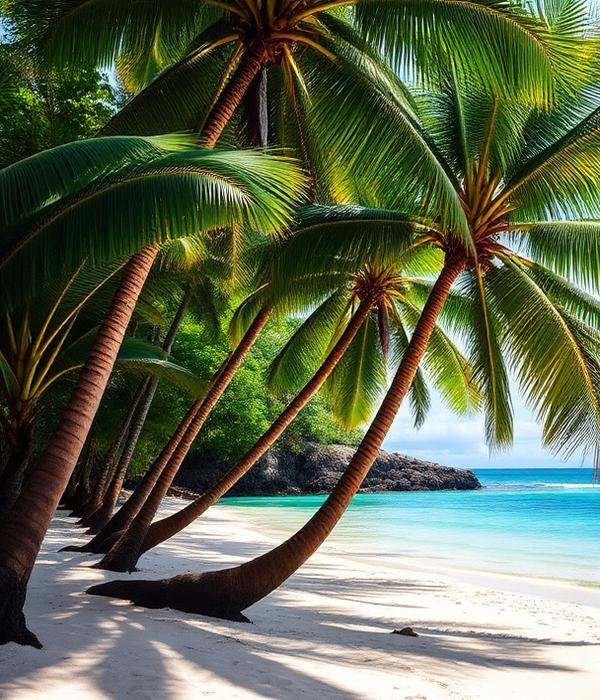
Monastery mornings, empty trails and a country that limits its own visitors. Go now, go slowly.
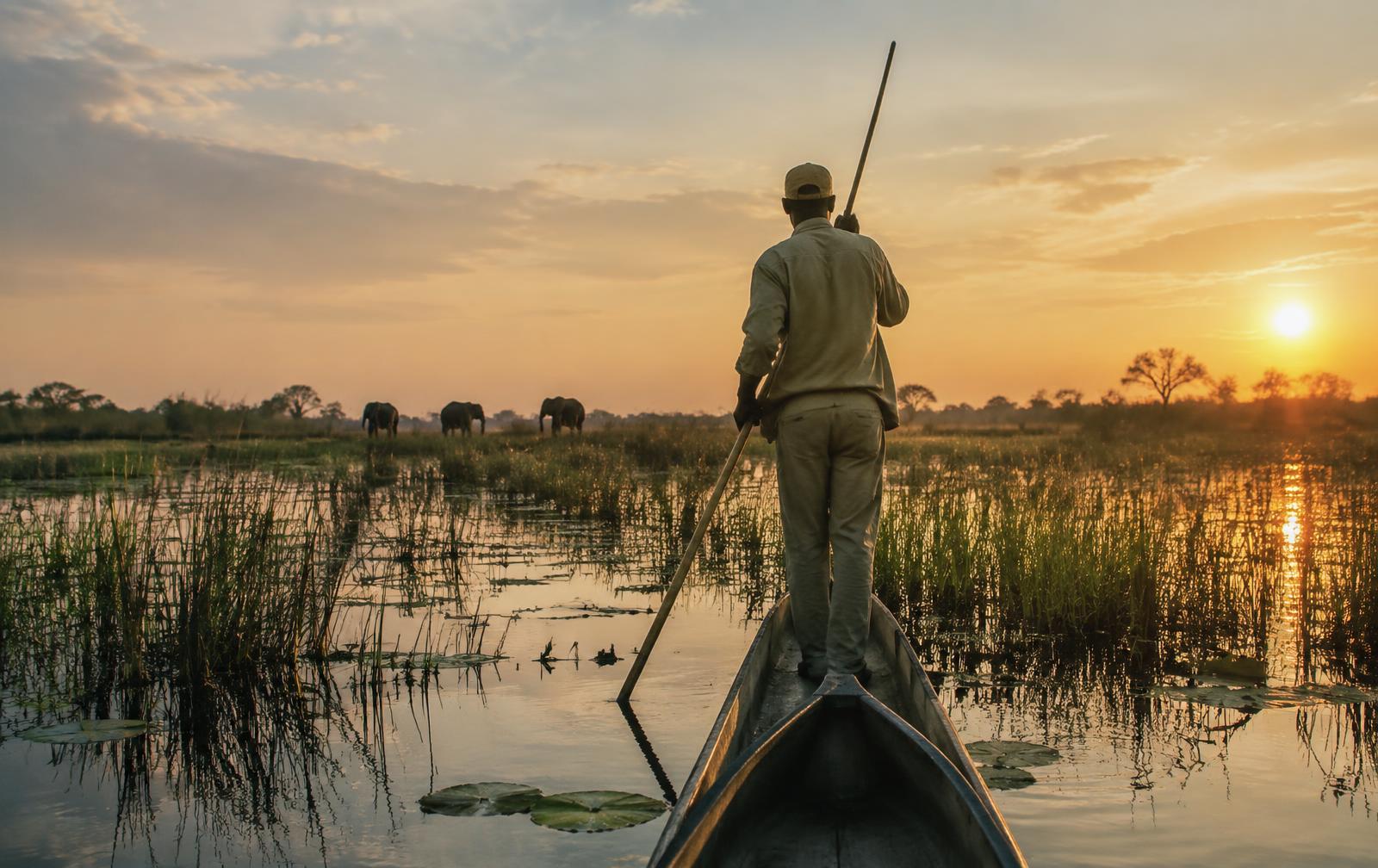
Follow Botswana’s waterways from the Okavango Delta to the Chobe River, with time to watch rather than chase wildlife.
Once-in-a-lifetime, or a long quiet weekend. Tell us what you're picturing — the first conversation is on us.