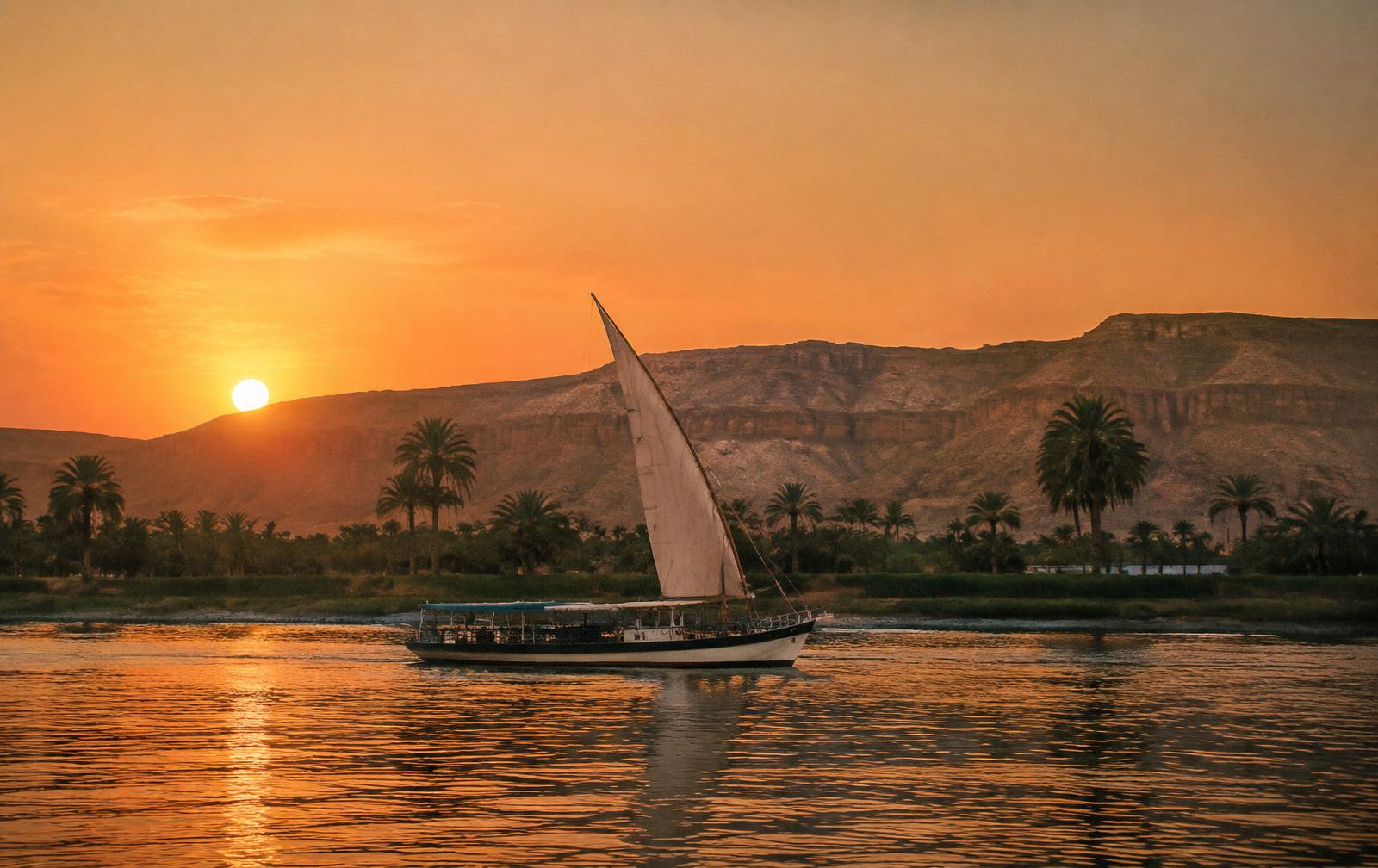
Giza, with time for Saqqara
Pair the Giza plateau with a separate visit to Saqqara’s Step Pyramid and selected tombs. Interiors can involve steep passages, heat and confined spaces; entering a pyramid is optional, not essential.
Egypt rewards time: Cairo’s layered streets, Luxor’s painted tombs and a slower passage south along the Nile.
Egypt is most compelling when the monuments have room around them. A morning at Giza belongs alongside an afternoon exploring Islamic Cairo; the painted chambers of the Valley of the Kings deserve more than a hurried stop between transfers. We plan private journeys with an Egyptologist, carefully timed site visits and a choice between a small Nile sailing boat and a larger, more predictable cruise vessel.
For a first visit, we usually suggest ten nights linking Cairo, Luxor and Aswan, with several nights on the river. From India, flight connections are manageable, and October to April brings kinder sightseeing temperatures. The caveat is that Egypt rarely feels effortless: traffic, security checks and busy archaeological sites are part of the experience. We build in breathing space rather than promise empty temples or seamless roads.
Pair the Giza plateau with a separate visit to Saqqara’s Step Pyramid and selected tombs. Interiors can involve steep passages, heat and confined spaces; entering a pyramid is optional, not essential.
Balance Karnak and the Valley of the Kings with Medinet Habu and the artisans’ village at Deir el-Medina. Tomb openings rotate, and some of the finest chambers require additional tickets.
Travel between Luxor and Aswan with calls at Edfu and Kom Ombo. A dahabiya offers fewer guests and a quieter rhythm, but wind, locks and mooring permissions can alter its schedule.
Every trip we send is rewritten at least once. Treat this as a rhythm rather than a route — then tell your specialist what to cut, slow down or add.
Arrive in Cairo and settle in for three nights. Give Giza an early start, reserve a separate outing for Saqqara, and allow time for the Grand Egyptian Museum. Fit a guided walk through Islamic Cairo around traffic and energy levels.
Fly to Luxor for two nights ashore. Visit Karnak and Luxor Temple, then cross to the west bank for the Valley of the Kings and Medinet Habu. Keep the hottest part of each afternoon free.
Board a four-night Luxor–Aswan cruise, with Edfu and Kom Ombo along the route and Aswan sightseeing towards the end. We coordinate the ship’s programme with your earlier Luxor visits to avoid unnecessary repetition; sailing times and lock queues vary.
Disembark for a final night in Aswan, with Philae if not already visited and a late-afternoon felucca outing when conditions suit. Depart via Cairo on day 11. Abu Simbel needs an additional early-start excursion or extra night; separate flight tickets may warrant a Cairo overnight.
Add three nights around Hurghada or El Gouna for swimming and boat-based snorkelling, with routing arranged from Luxor or Cairo. Winter water can feel cool, and wind occasionally restricts boat trips.
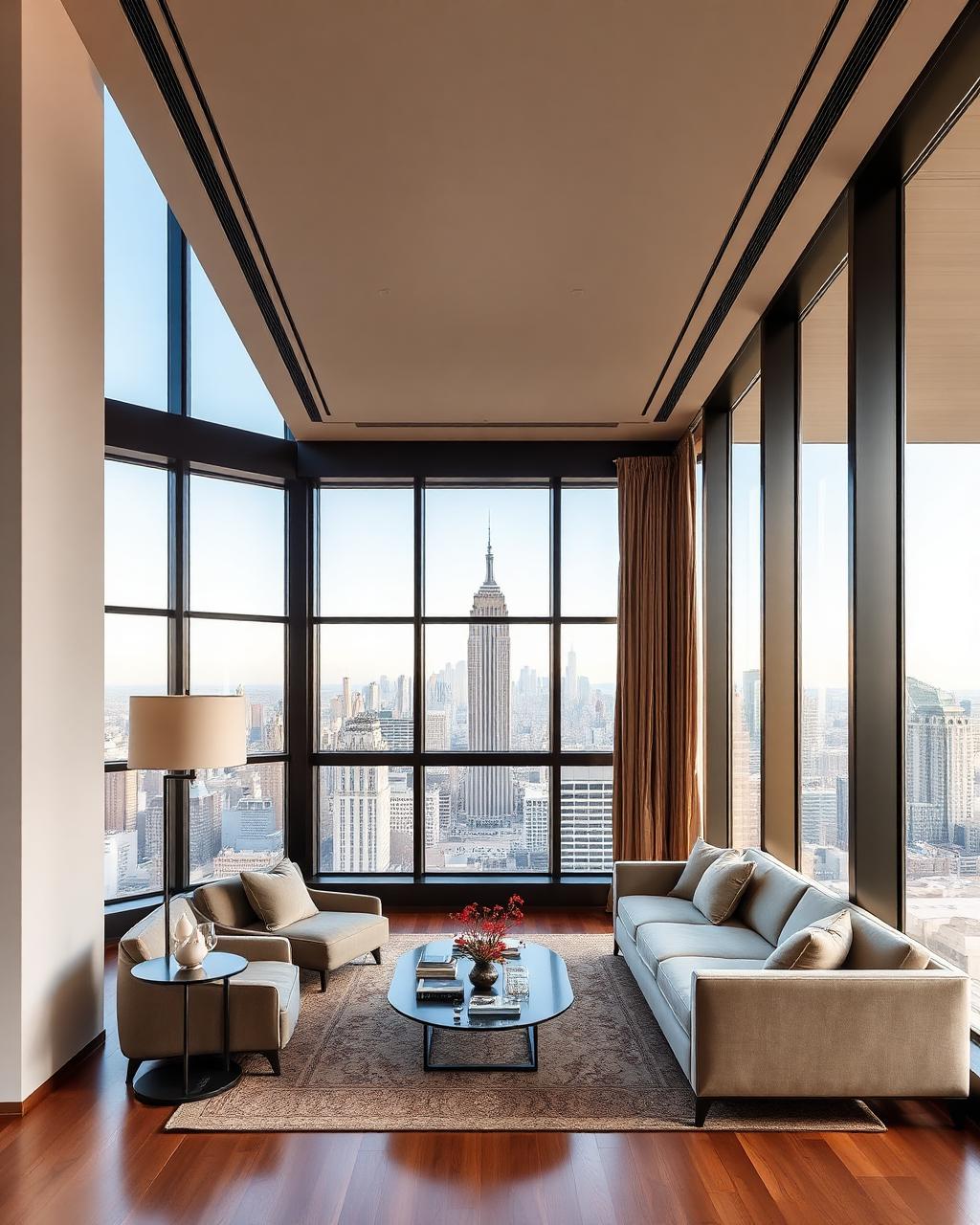
Illustrative private residenceA planning placeholder, not a verified property. Budget per person per night, based on two sharing; a quiet setting may mean longer drives to Giza.
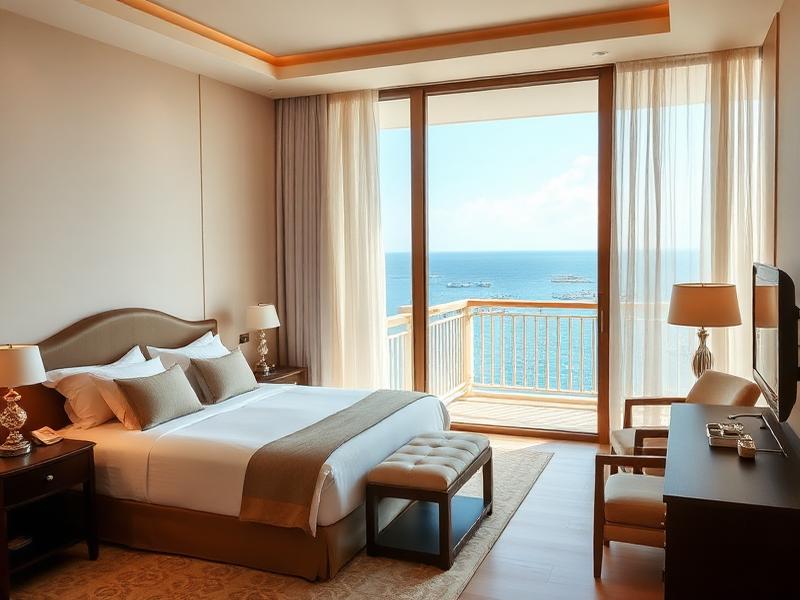
Illustrative garden villaA planning placeholder, not a verified property. Budget per person per night, based on two sharing; convenient for the tombs, less convenient for east-bank evenings.
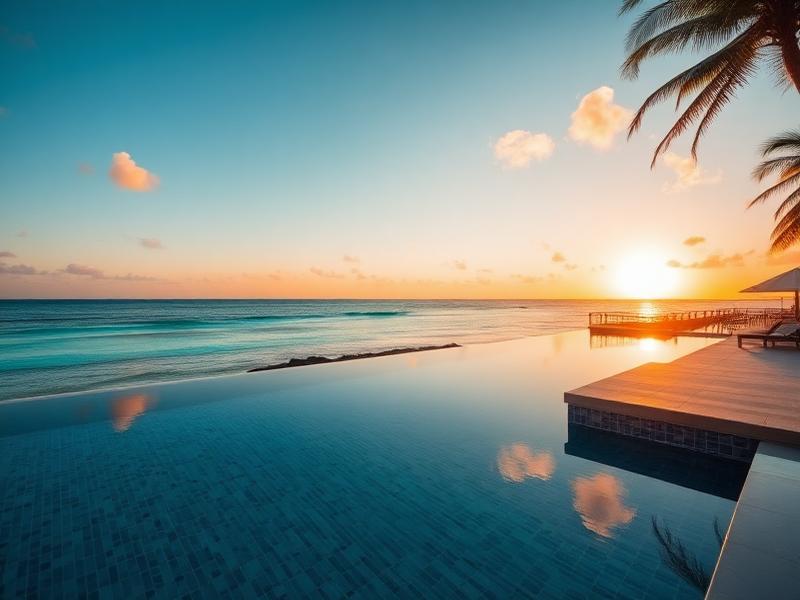 Illustrative small sailing vessel
A planning placeholder, not a verified vessel. Budget per person per night, sharing a cabin with meals; minimum sailing durations and charter terms apply.
Spend a focused morning examining burial scenes and royal imagery on Luxor’s west bank. We select accessible, open tombs around your interests rather than simply maximise the number visited.
Explore sections of Al-Muizz Street, its mosque complexes and historic houses with a guide. Modest dress is needed at religious sites, and walking conditions include uneven paving and busy crossings.
Visit the rock-cut temples of Ramesses II and Nefertari from Aswan by road or flight, subject to schedules. The road journey typically takes around three to four hours each way: worthwhile for many, but not a light half-day outing.
Take a private felucca around the Nile islands in softer afternoon light. Wind determines the route; boarding can be awkward for travellers with limited mobility.
“In Egypt, a shorter list of sites often makes room for a better understanding of what you have come to see.”

November to March is generally best for Cairo and the Nile, although December and January bring cooler evenings and busy holiday periods. October and April offer a useful compromise, with hotter afternoons in Upper Egypt. May to September is much harder for extended outdoor sightseeing.
Choose a dahabiya for a smaller guest count and a less institutional atmosphere, accepting more variable schedules and fewer facilities. A conventional cruise usually offers more predictable departures and broader onboard amenities, but shared moorings and engine noise can detract from the river setting.
Yes, with selective sightseeing and proper rest. Long explanations, cramped tomb passages and successive early starts can be tiring. We favour shorter guided visits, accommodation with space to pause, and explicit checks on steps, lifts and boat boarding arrangements.
Yes. Ful medames, falafel made with broad beans, and koshari provide useful local options. Strict vegetarian, Jain and allergy requirements need advance discussion, particularly aboard smaller boats; stock ingredients and shared preparation areas should be checked rather than assumed.

Bali’s temple towns and coastal villas pair well with Komodo’s dry hills, coral reefs and carefully timed days at sea.
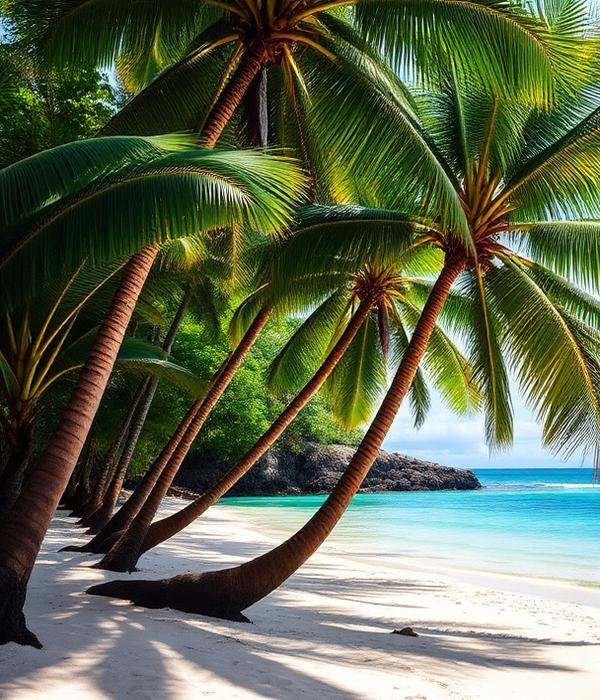
Monastery mornings, empty trails and a country that limits its own visitors. Go now, go slowly.
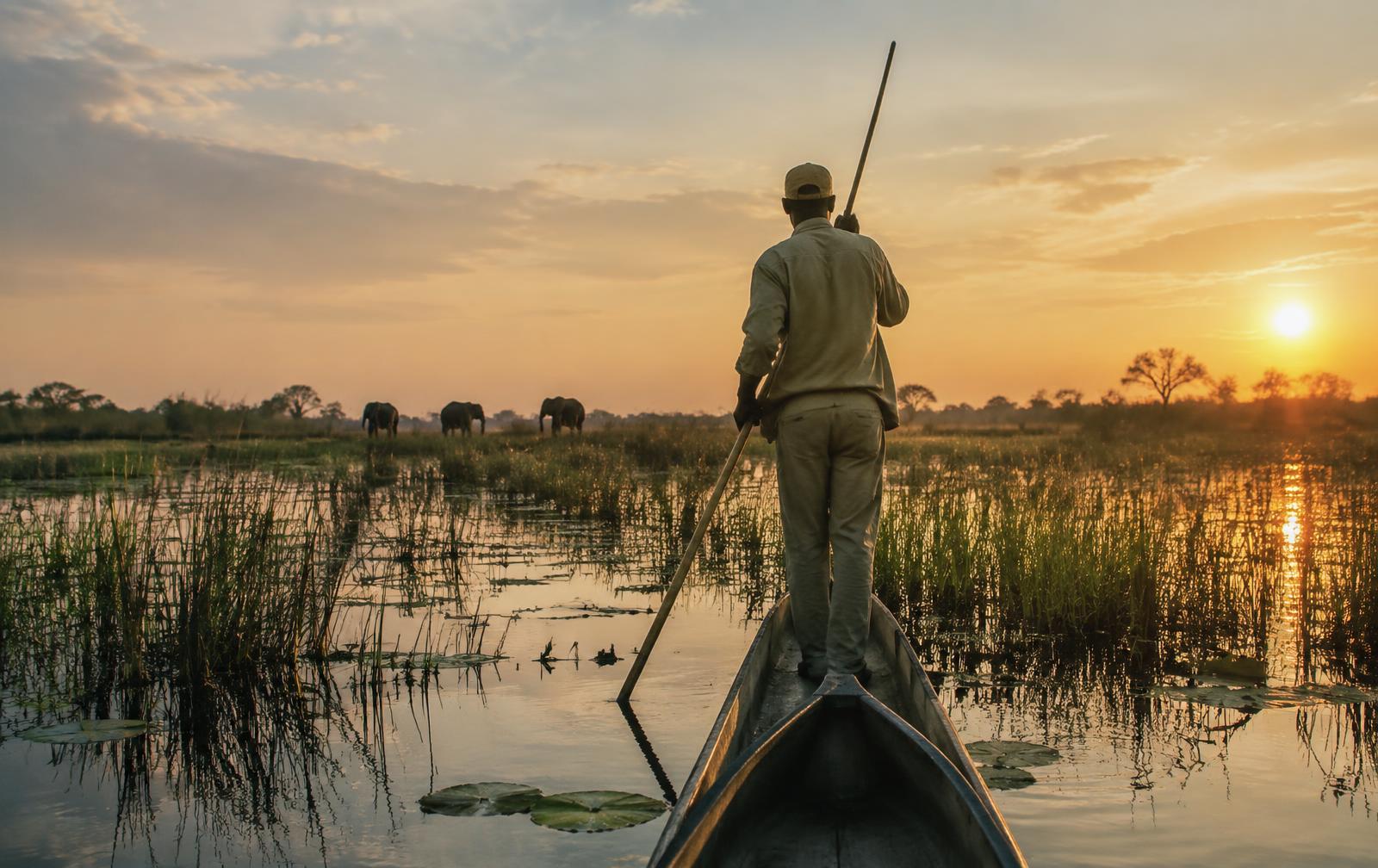
Follow Botswana’s waterways from the Okavango Delta to the Chobe River, with time to watch rather than chase wildlife.
Once-in-a-lifetime, or a long quiet weekend. Tell us what you're picturing — the first conversation is on us.