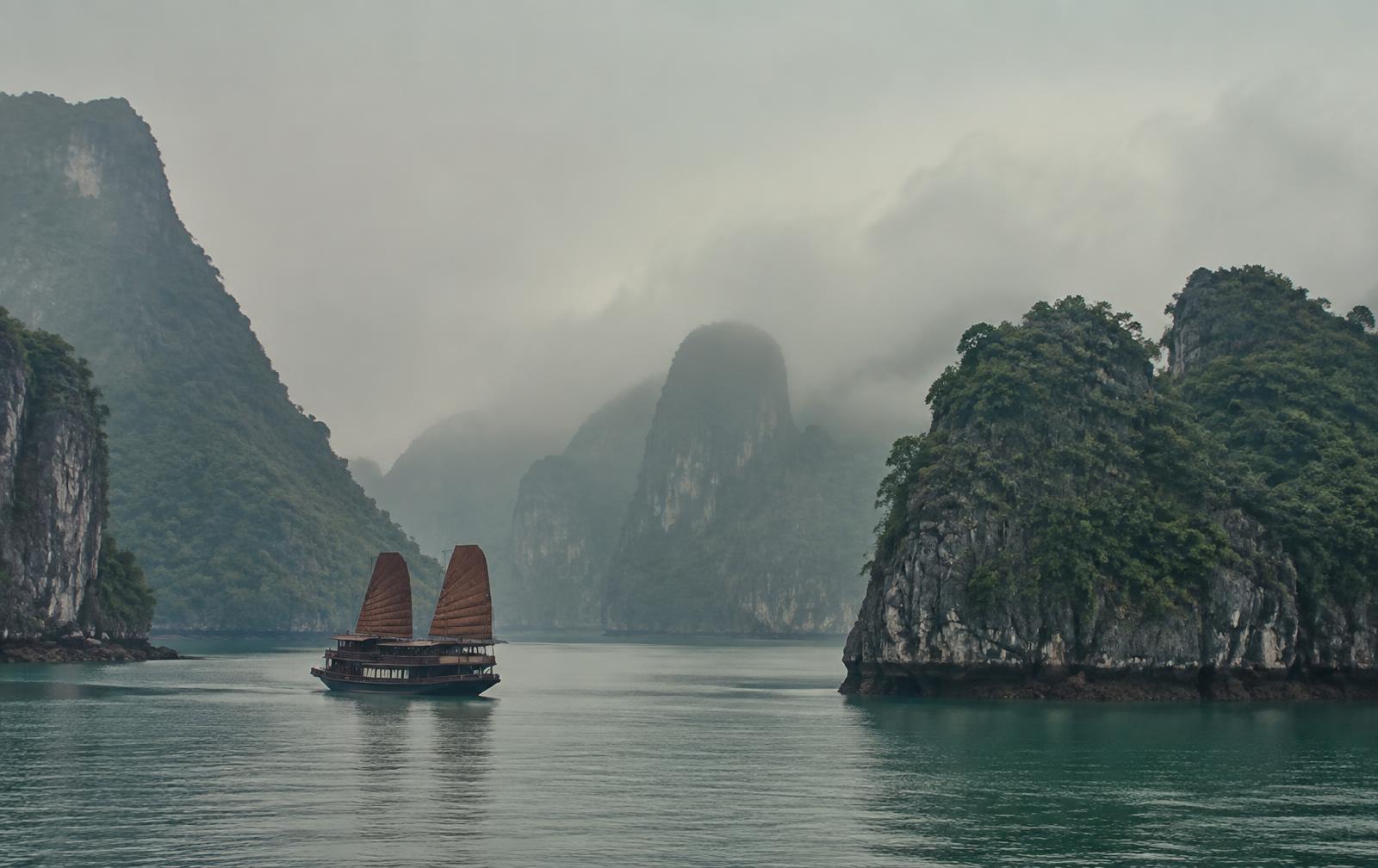
Hanoi, on foot and at the table
Explore the Old Quarter’s specialist streets, the Temple of Literature and the quieter lanes around Truc Bach. A food-led walk introduces northern dishes without making every meal a formal occasion.
From Hanoi’s street kitchens to the Mekong’s working waterways, Vietnam rewards a measured journey through sharply different regions.
Vietnam changes character as you travel south: Hanoi’s shaded streets and pavement kitchens give way to limestone bays, the trading houses of Hoi An and Ho Chi Minh City’s restless commercial life. In the Mekong Delta, boats still carry fruit between orchards and wholesale markets, though roads now handle much of the trade. We favour time on the ground over a succession of internal flights.
At Dev Travels, we plan Vietnam around regional weather, sensible flight connections and the hours when places are most rewarding: Hanoi before the traffic builds, Hoi An beyond its busiest lantern-lit streets. A private guide and driver provide continuity, with independent evenings where they make sense. The honest caveat is that no season suits the whole country equally; central-coast rain can coincide with excellent conditions in the south.
Explore the Old Quarter’s specialist streets, the Temple of Literature and the quieter lanes around Truc Bach. A food-led walk introduces northern dishes without making every meal a formal occasion.
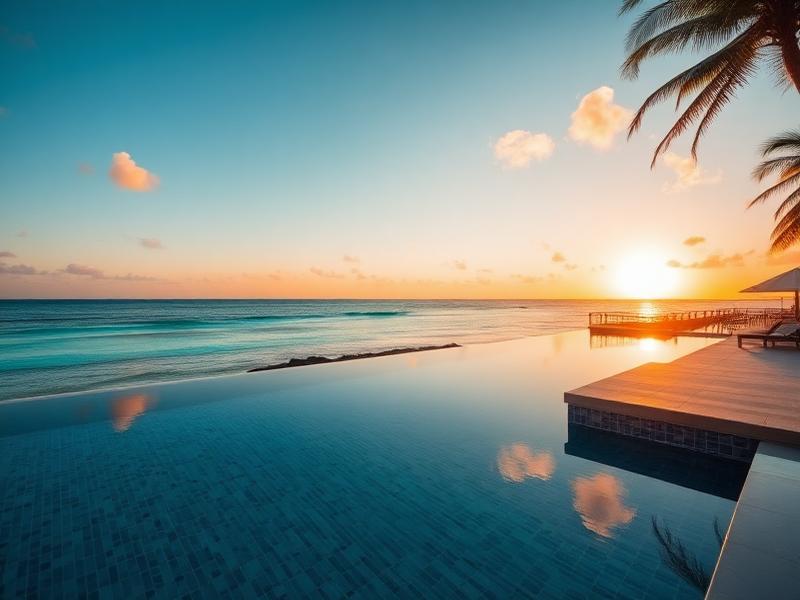
Sleep aboard a small vessel among limestone islands, with kayaking where conditions permit. Routes matter more than brochure photographs: popular anchorages can be busy, and weather occasionally disrupts sailings.
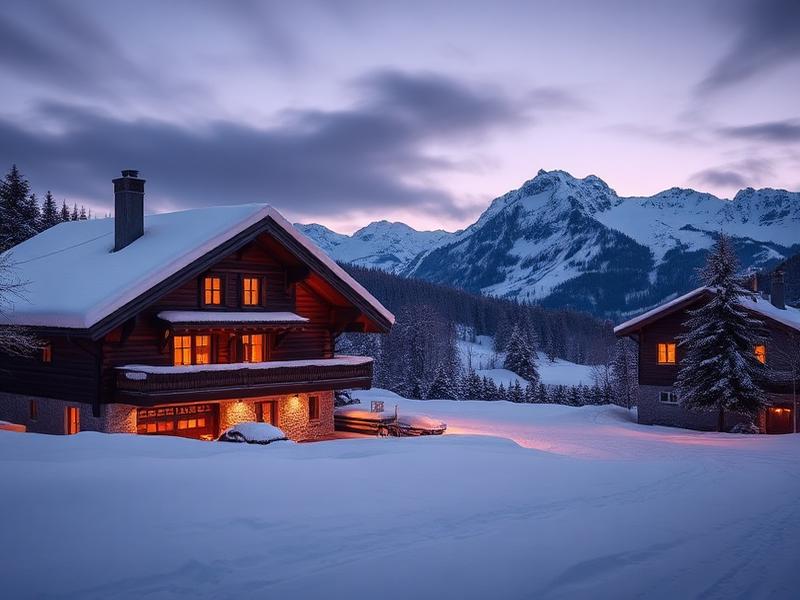
Visit merchant houses early, cycle towards Tra Que’s vegetable plots and leave space for the coast. Beach conditions are generally more dependable from late spring into summer than in November or December.
Every trip we send is rewritten at least once. Treat this as a rhythm rather than a route — then tell your specialist what to cut, slow down or add.
Spend three nights in Hanoi. Combine the Temple of Literature and a guided Old Quarter walk with a quieter afternoon around Truc Bach. Keep one evening for bun cha and other northern dishes, adapted to dietary requirements.
Drive towards Hai Phong, allowing roughly 2½–3 hours before embarkation and any onward boat transfer. Spend one night aboard, with an afternoon excursion or kayaking according to the vessel’s route and conditions.
Disembark and transfer to Hanoi airport for a suitably timed flight to Da Nang, then drive approximately 45–60 minutes to Hoi An. Stay four nights, balancing the old town, a morning at My Son and unstructured pool or beach time. This connection makes Day 5 a long travel day.
Fly from Da Nang to Ho Chi Minh City for three nights. Explore Cholon and central landmarks with a private guide. Visit the War Remnants Museum if appropriate for your party; its material is graphic. Leave another day for independent exploring or an early departure to Cu Chi.
Drive roughly 2–3 hours to Ben Tre for an overnight beside an orchard or river channel. Explore by small boat and visit local workshops, with cycling on quieter lanes if the heat permits.
Return to Ho Chi Minh City airport with a generous traffic buffer. An evening departure is preferable; for an early flight, move the final night back to the city.
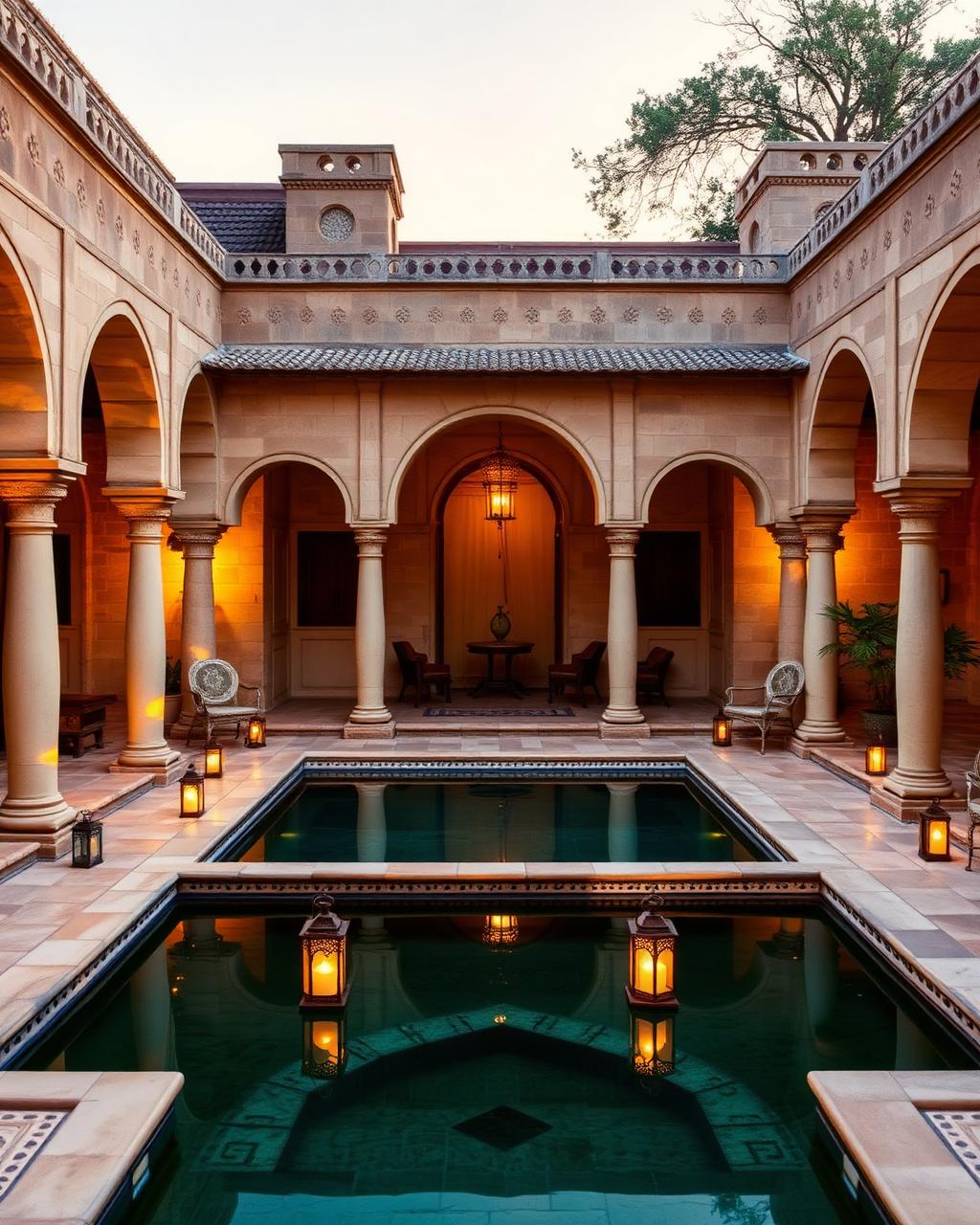
Illustrative private-house stayA briefing concept rather than a named, bookable property: a quiet courtyard base with generous rooms and straightforward access to central Hanoi.
Illustrative private pool villaA briefing concept for a staffed garden villa outside the old town. Expect car transfers for sightseeing and most restaurant evenings.
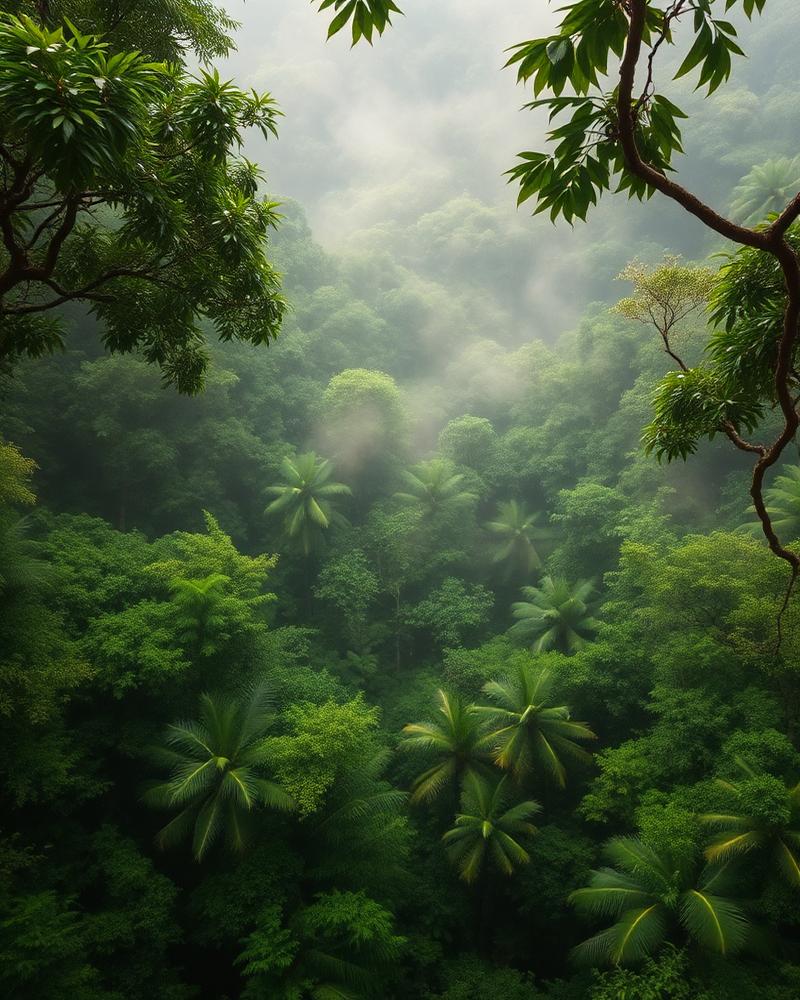 Illustrative exclusive-use riverside house
A briefing concept for a small private house with meals and local guiding arranged. Rural comfort need not mean extensive spa or restaurant facilities.
Start early in Hanoi with a local food guide, tasting pho and steamed rice rolls at established kitchens. Vegetarian alternatives require advance checking: meat stock and fish sauce are common.
Travel from Hoi An early to explore the Cham temple complex before the strongest heat. A knowledgeable guide helps distinguish surviving brickwork, restoration and the damage left by war.
Arrange a small private session focused on central Vietnamese cooking, with a market visit if useful rather than obligatory. Menus can accommodate vegetarian diets, but strict Jain requirements need a separately agreed kitchen plan.
Use a modest local boat to explore coconut-growing country, stopping at working households or workshops by arrangement. Water levels, tides and local activity determine the route.
“In Vietnam, an extra morning in one place often gives you more than another flight to the next.”
Allow from INR 365,000 per person for a privately arranged journey, based on two sharing. This is a planning indication, not a confirmed package: dates, accommodation, guiding, domestic flights and cruise choice determine the final quote. International flights, visas and insurance should be budgeted separately unless expressly included.
No. The house and villa names are illustrative accommodation concepts, not verified hotels or available inventory. Their figures are indicative INR per person per night, based on two sharing; exclusive-use occupancy and inclusions can change the cost substantially. We confirm actual properties and written rates during planning.
Yes, with realistic expectations. April and May can be very hot, especially in cities. June often suits a central-coast stay, while northern and southern Vietnam are more prone to rain. We would consider a shorter Hoi An-led journey rather than treating every region as equally suitable.
With preparation. Buddhist vegetarian restaurants and suitable urban dining options are available, but apparently vegetable-based dishes may contain fish sauce, shrimp paste or meat stock. We brief guides and kitchens explicitly; strict Jain diets need additional planning, especially aboard boats and in rural areas.
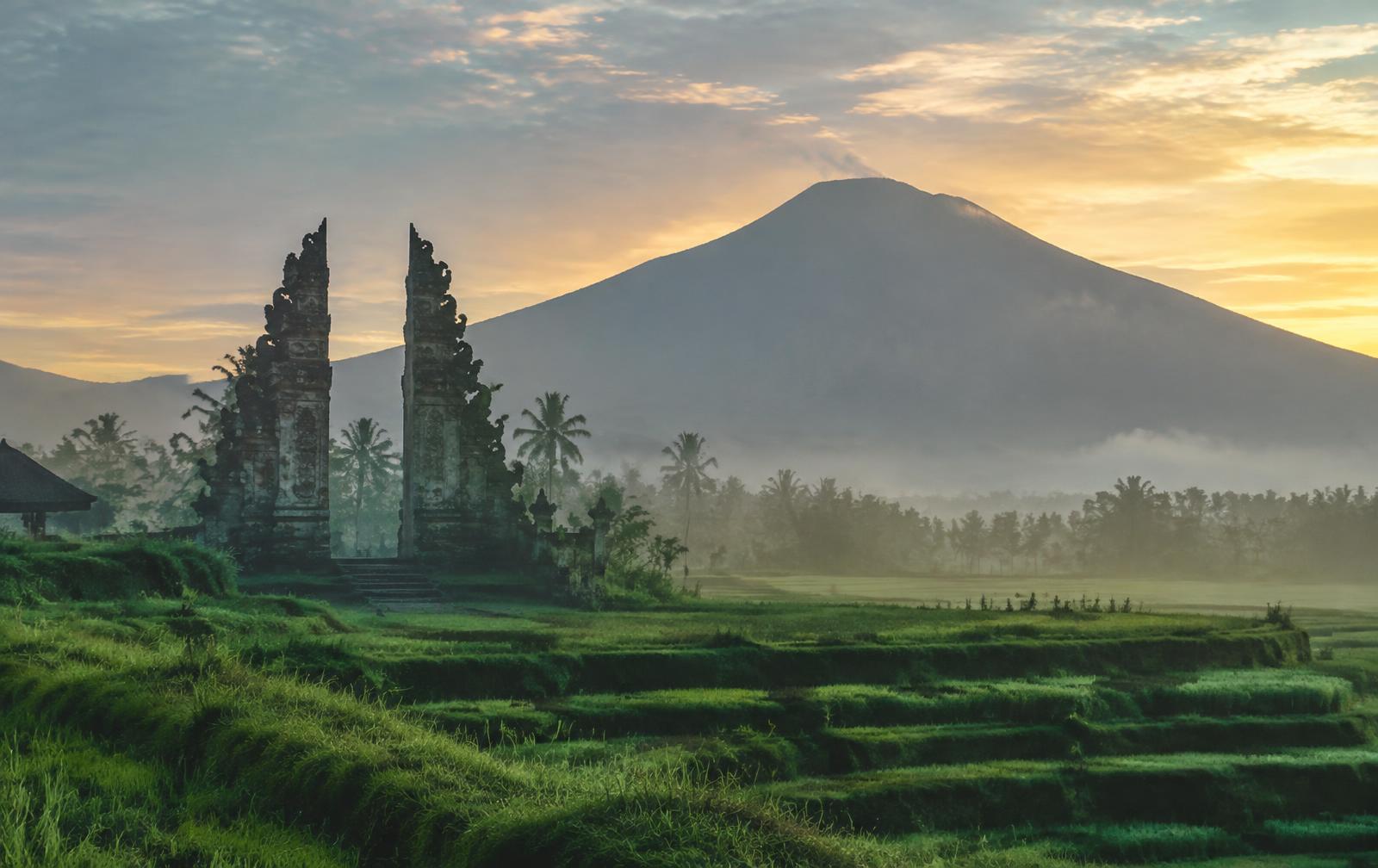
Bali’s temple towns and coastal villas pair well with Komodo’s dry hills, coral reefs and carefully timed days at sea.
Monastery mornings, empty trails and a country that limits its own visitors. Go now, go slowly.
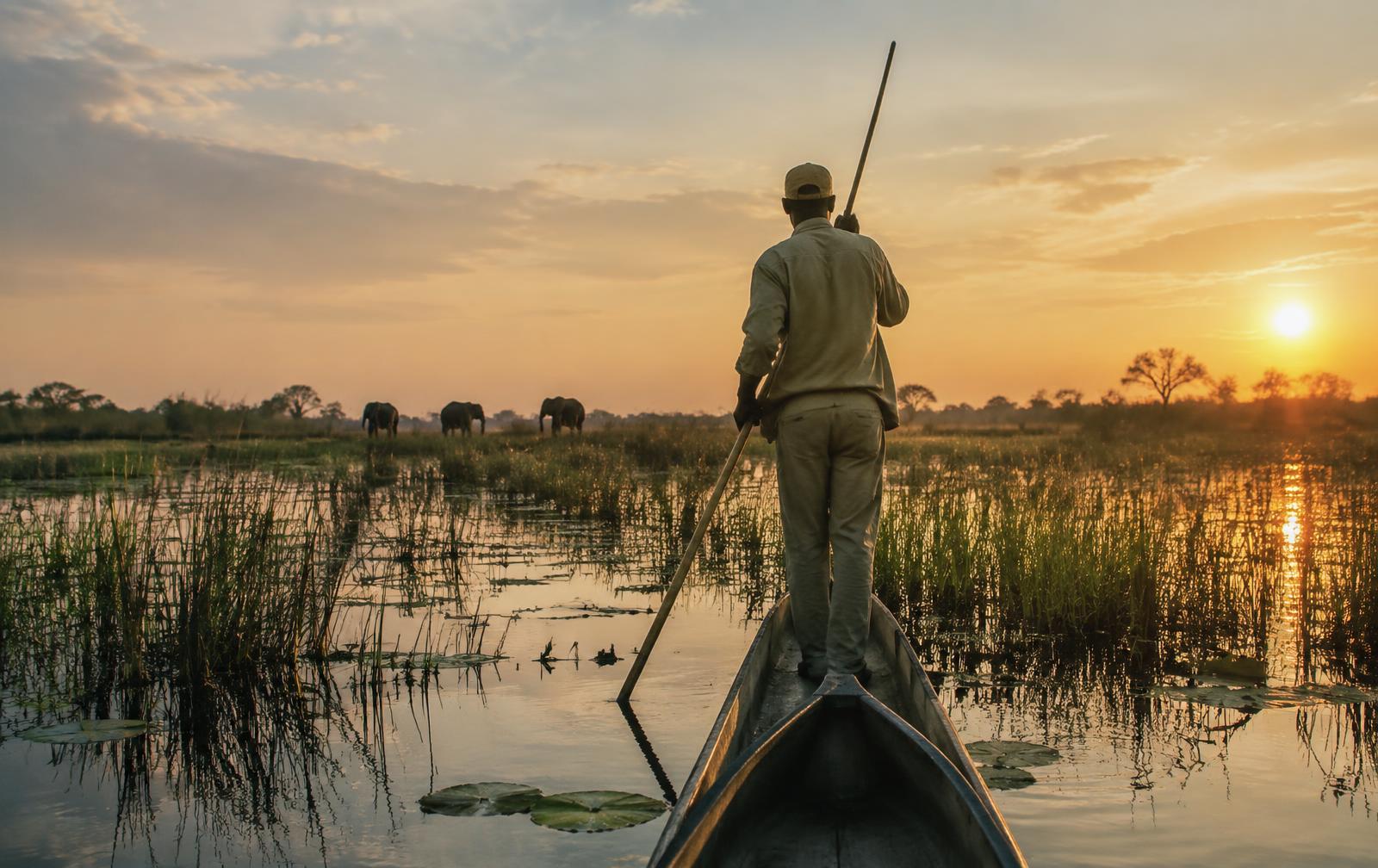
Follow Botswana’s waterways from the Okavango Delta to the Chobe River, with time to watch rather than chase wildlife.
Once-in-a-lifetime, or a long quiet weekend. Tell us what you're picturing — the first conversation is on us.