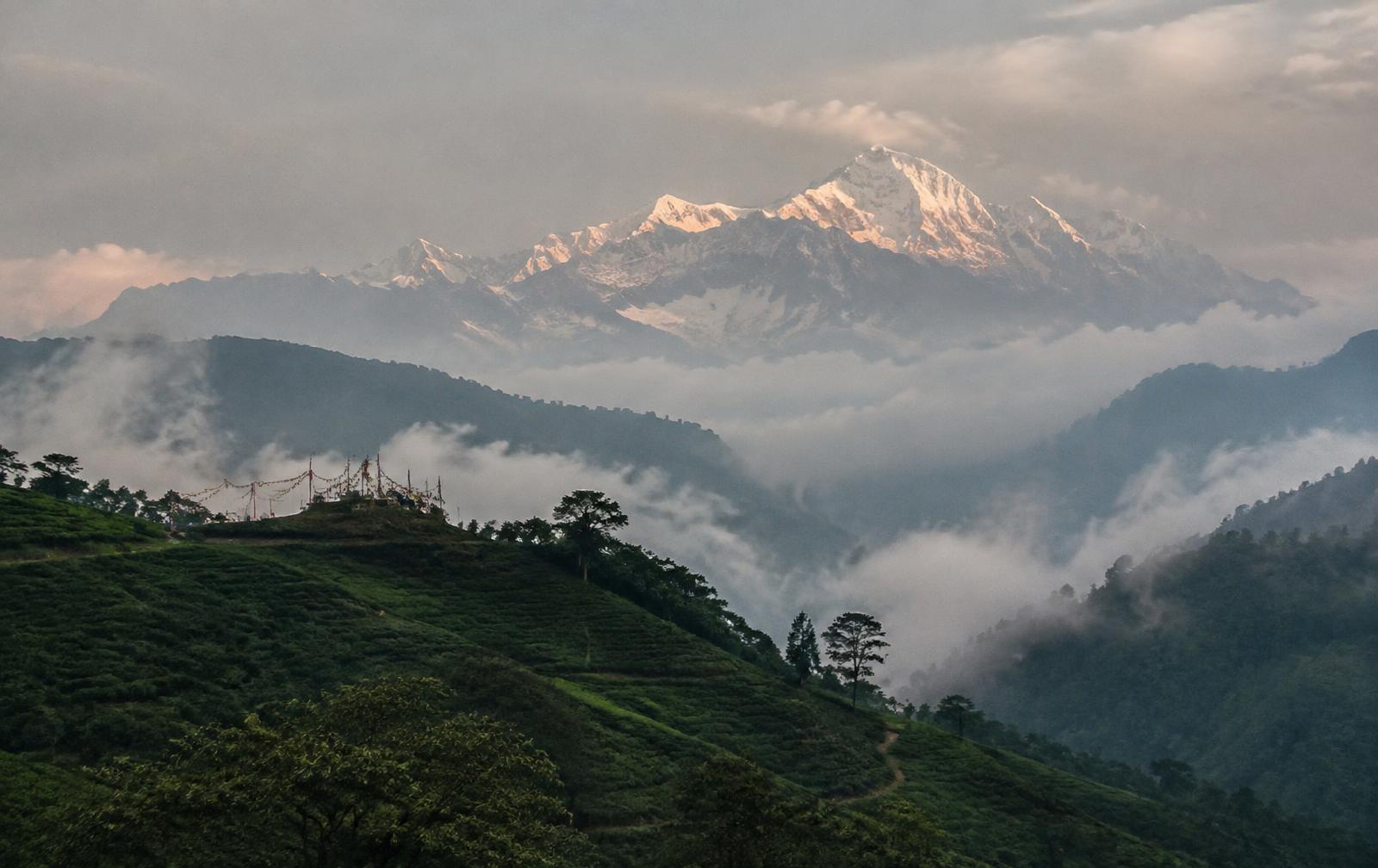
Darjeeling beyond the viewpoints
Spend time in a working tea garden, visit Ghoom Monastery and walk Observatory Hill. A short Darjeeling Himalayan Railway journey adds context, though services and locomotive types need confirming.
Tea-country mornings, Buddhist monasteries and Kangchenjunga views, linked by a deliberately unhurried journey through the eastern Himalayas.
Darjeeling and Sikkim reward early starts: Kangchenjunga is often clearest before breakfast, tea gardens stir slowly, and monastery courtyards are quieter before the day's visitors arrive. We pair Darjeeling's tea estates and railway heritage with western Sikkim's wooded ridges, then continue to Gangtok for a different perspective on the state. The appeal lies as much in these changing landscapes as in the individual stops.
We plan around road time rather than map distance, using a private vehicle, locally based guides and three-night stays wherever possible. Tea visits depend on production schedules; monastery visits respect services and local restrictions. One caveat matters: cloud can conceal the mountains even in the preferred seasons, and landslips can alter a route. From ₹275,000 per person, the emphasis is on thoughtful pacing and privately arranged accommodation.
Spend time in a working tea garden, visit Ghoom Monastery and walk Observatory Hill. A short Darjeeling Himalayan Railway journey adds context, though services and locomotive types need confirming.
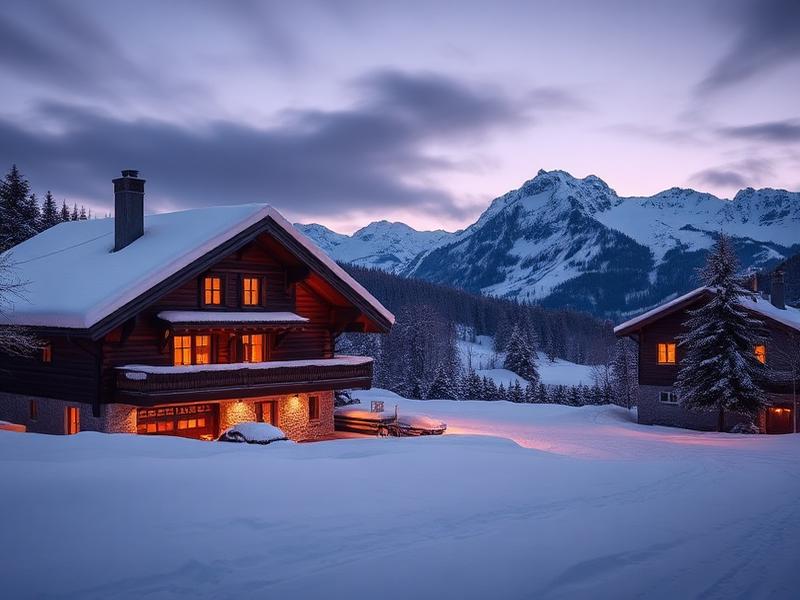
Use Pelling as a base for Pemayangtse Monastery and the ruins of Rabdentse, with time for forest paths and views across the valley when the weather clears.
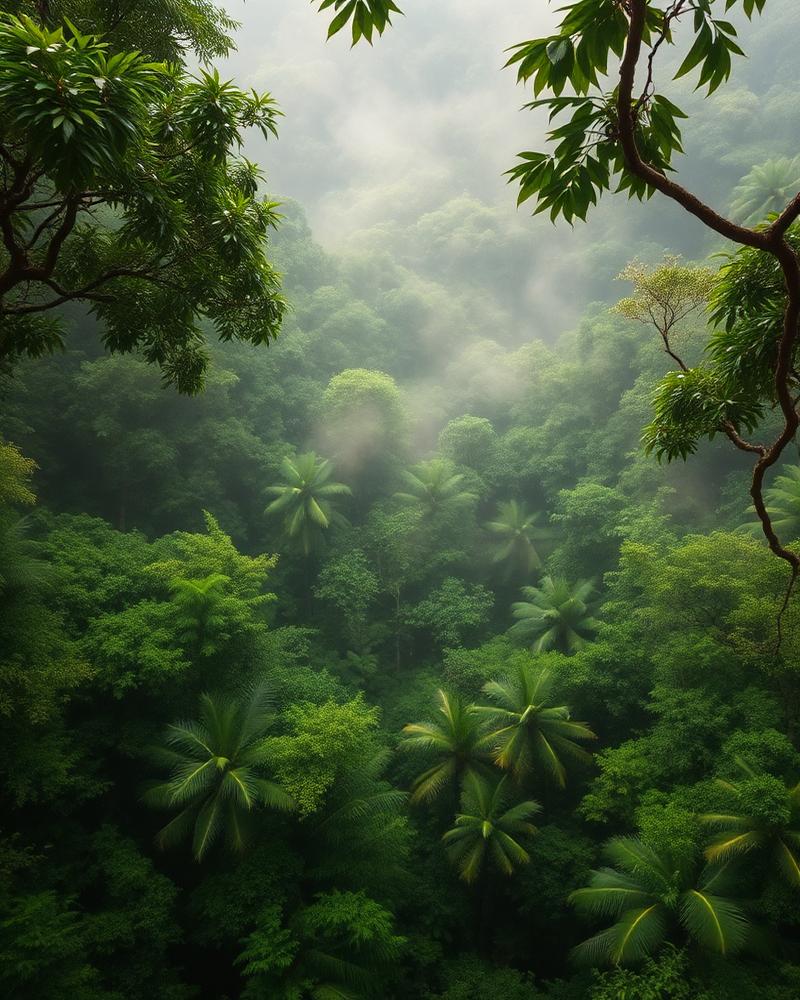
Explore Gangtok's markets and Tibetan Buddhist collections, then set aside a separate outing for Rumtek rather than squeezing it between long transfers.
Every trip we send is rewritten at least once. Treat this as a rhythm rather than a route — then tell your specialist what to cut, slow down or add.
Arrive at Bagdogra and drive into the hills. Keep the first evening free. Over the next two days, arrange a tea-garden visit, walk through town and take a reserved railway joyride towards Ghoom, subject to operation. Make Tiger Hill an optional early start, guided by the forecast.
Allow roughly 4–6 hours for the drive to Pelling, with additional time if roads are disrupted. Visit Pemayangtse and Rabdentse on one day; devote another to Khecheopalri Lake and village stops, with walking tailored to fitness and weather.
Drive to Gangtok, normally a 5–6-hour journey from Pelling. Visit the Namgyal Institute of Tibetology when open, walk MG Marg and arrange a hosted introduction to Sikkimese cooking. Give Rumtek its own half-day or longer, depending on traffic and access.
Travel to Kalimpong, allowing around 3–4 hours in normal conditions. Spend the afternoon with its plant nurseries or on a gentle town walk. This final stop shortens the airport transfer without pretending it removes all road risk.
Allow approximately 3–4 hours to Bagdogra, plus a generous contingency. Prefer an afternoon flight; during unstable weather, we may recommend moving the final night to the plains.
Illustrative private tea-country houseA proposed accommodation style, not a verified named property. Indicative nightly price per person, based on two sharing; seek heating, a sheltered sitting room and access that avoids a steep final walk.
Illustrative privately staffed lodgeA proposed accommodation style, not a verified named property. Indicative nightly price per person, based on two sharing; prioritise outlook, reliable hot water and a cook over extensive resort facilities.
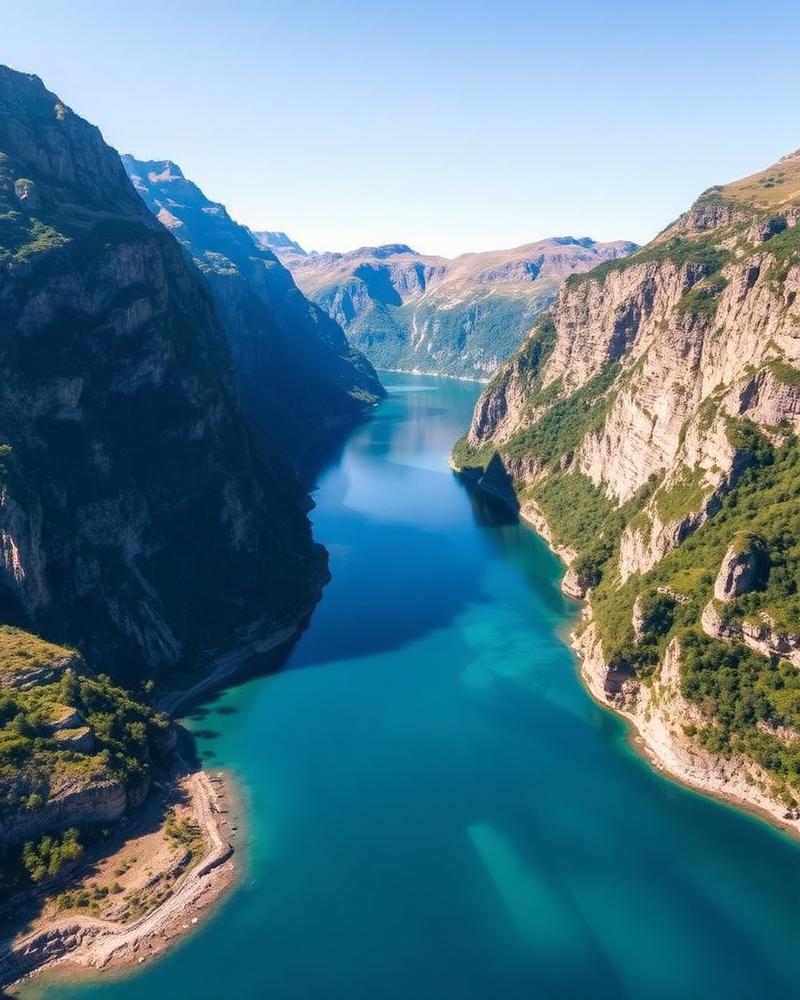 Illustrative exclusive-use house
A proposed accommodation style, not a verified named property. Indicative nightly price per person at four-person occupancy; greater privacy comes with longer drives into central Gangtok.
Compare seasonal teas with someone who works on the estate. Spring and later harvests differ substantially; factory activity, estate access and the day's production cannot be guaranteed.
Book a Darjeeling–Ghoom joyride rather than commit a whole day to rail travel. Steam departures are sought after, noisy and sooty; diesel services offer a different experience.
With an extra night or a longer excursion from Pelling, explore Yuksom's historical sites and forest edges with a local guide. The climb to Dubdi Monastery is steep enough to warrant proper shoes and a realistic fitness discussion.
Arrange a hosted meal exploring dishes such as gundruk soup, seasonal greens and momos. Menus reflect the host's community and available produce, rather than treating Sikkim's food as a single tradition.
“Leave a morning unassigned. In these hills, a clear forecast can be worth more than a fixed sightseeing schedule.”
October and November often offer clearer skies after the monsoon. March and April bring spring growth and flowers, but haze and cloud can build through the day. No season guarantees a view of Kangchenjunga.
June to September is generally a poor fit for this road-based itinerary. The hills are green, but heavy rain, landslips and road closures can disrupt both sightseeing and airport connections. May can also be wet and increasingly unsettled.
Possibly, but it requires extra nights, permits and a separate discussion about altitude, road conditions and accommodation standards. Access around Lachen and Lachung can change following infrastructure damage or severe weather. We would confirm current conditions before proposing it.
Yes, provided the family is comfortable with winding drives and the itinerary avoids unnecessary altitude gains. Vehicle access, heating, stairs and meal flexibility matter more here than a long facilities list. Very young children may find repeated transfers tiring.
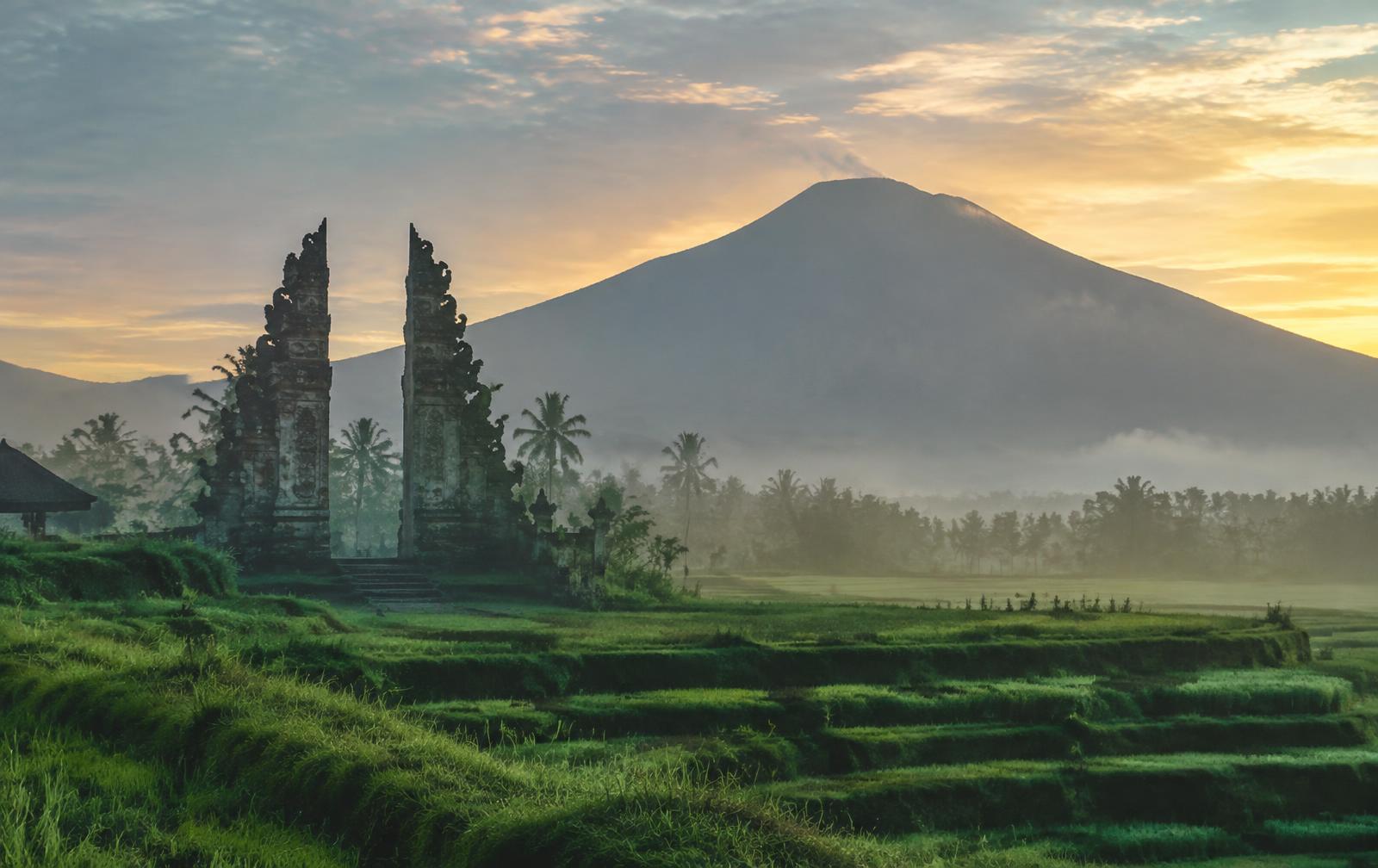
Bali’s temple towns and coastal villas pair well with Komodo’s dry hills, coral reefs and carefully timed days at sea.

Monastery mornings, empty trails and a country that limits its own visitors. Go now, go slowly.
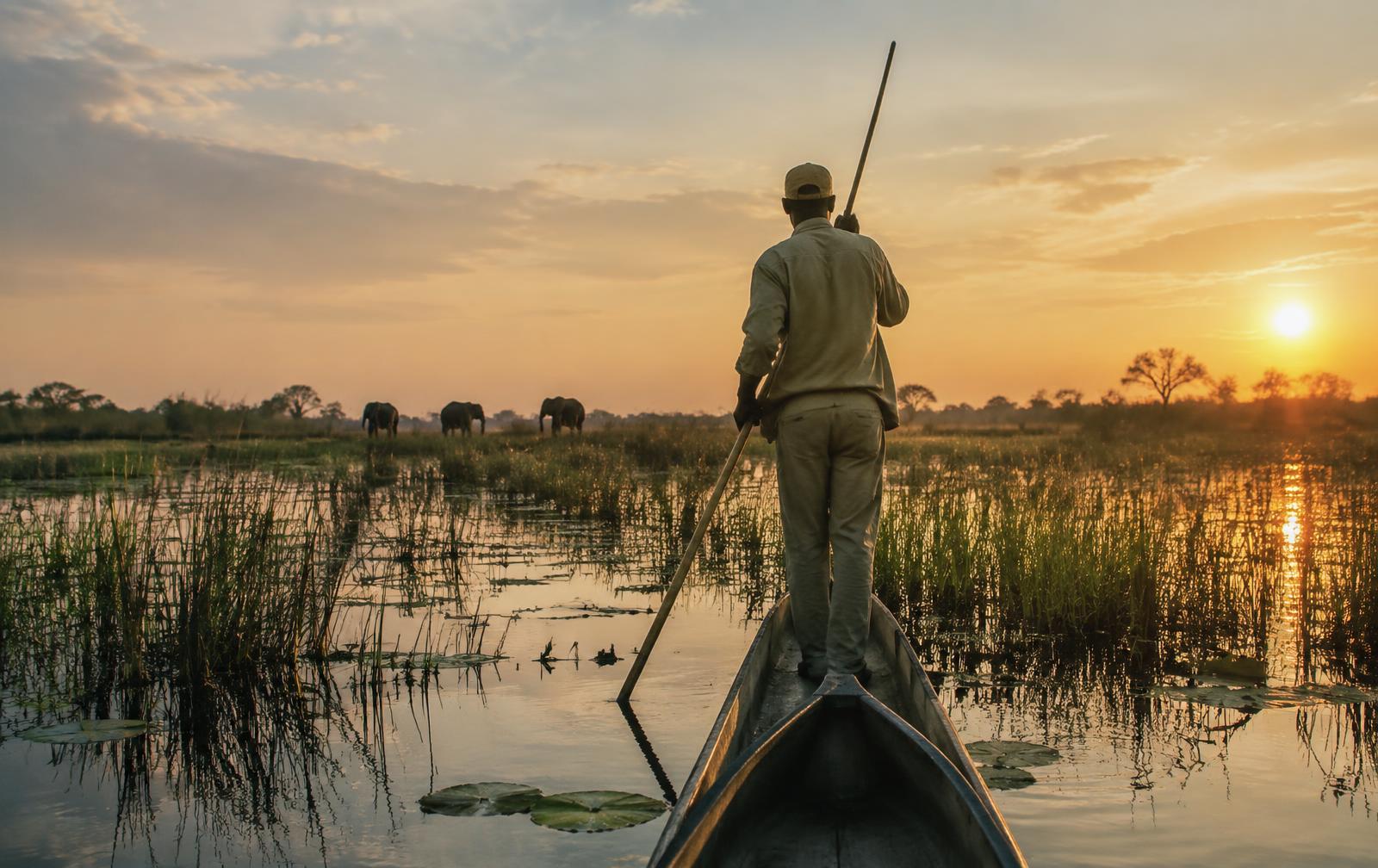
Follow Botswana’s waterways from the Okavango Delta to the Chobe River, with time to watch rather than chase wildlife.
Once-in-a-lifetime, or a long quiet weekend. Tell us what you're picturing — the first conversation is on us.