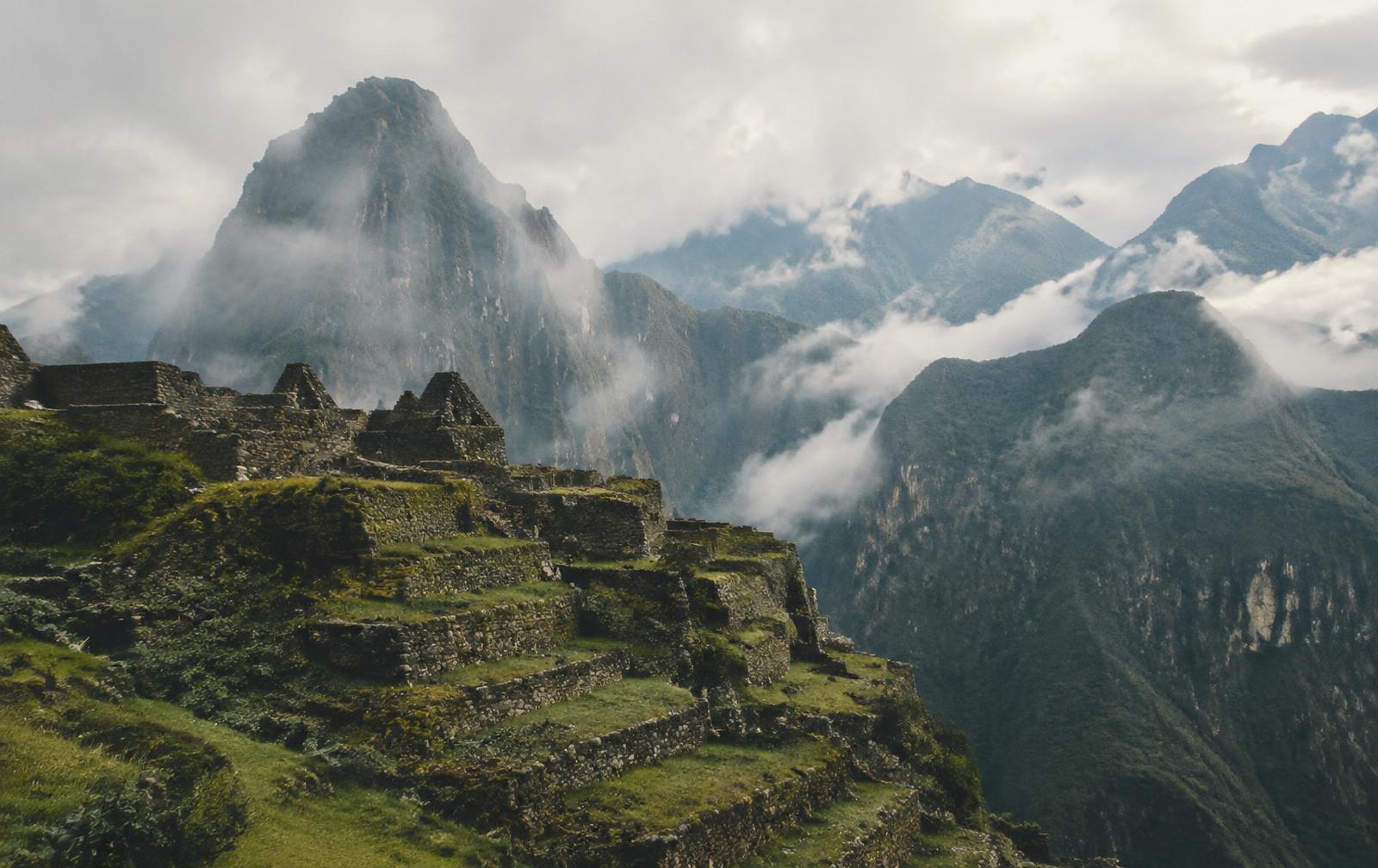
The Sacred Valley before Cusco
Base near Urubamba for access to Ollantaytambo, Pisac and the terraces at Moray. Sleeping around 2,800 metres rather than Cusco’s roughly 3,400 metres makes a more measured introduction to the Andes.
From Lima’s Pacific kitchens to the Sacred Valley and Amazon waterways, Peru rewards a journey that leaves room for altitude and distance.
Peru is best approached as several journeys joined together: Lima for its markets and contemporary cooking, the Sacred Valley for agricultural terraces and Quechua communities, and the Amazon for life along its waterways. Machu Picchu deserves its place, but not at the expense of everything around it. We usually allow twelve to fourteen nights, with private guiding where context matters and unstructured time between excursions.
Our planning starts with Machu Picchu entry circuits and train availability, then works backwards through the Sacred Valley, Cusco and Lima. We favour sleeping lower in the valley before moving to Cusco, and choose Amazon lodges around your tolerance for boat travel and humidity. The honest caveat: even comfortable arrangements cannot remove altitude, early departures or weather disruption, and trying to cover every region makes Peru feel hurried.
Base near Urubamba for access to Ollantaytambo, Pisac and the terraces at Moray. Sleeping around 2,800 metres rather than Cusco’s roughly 3,400 metres makes a more measured introduction to the Andes.
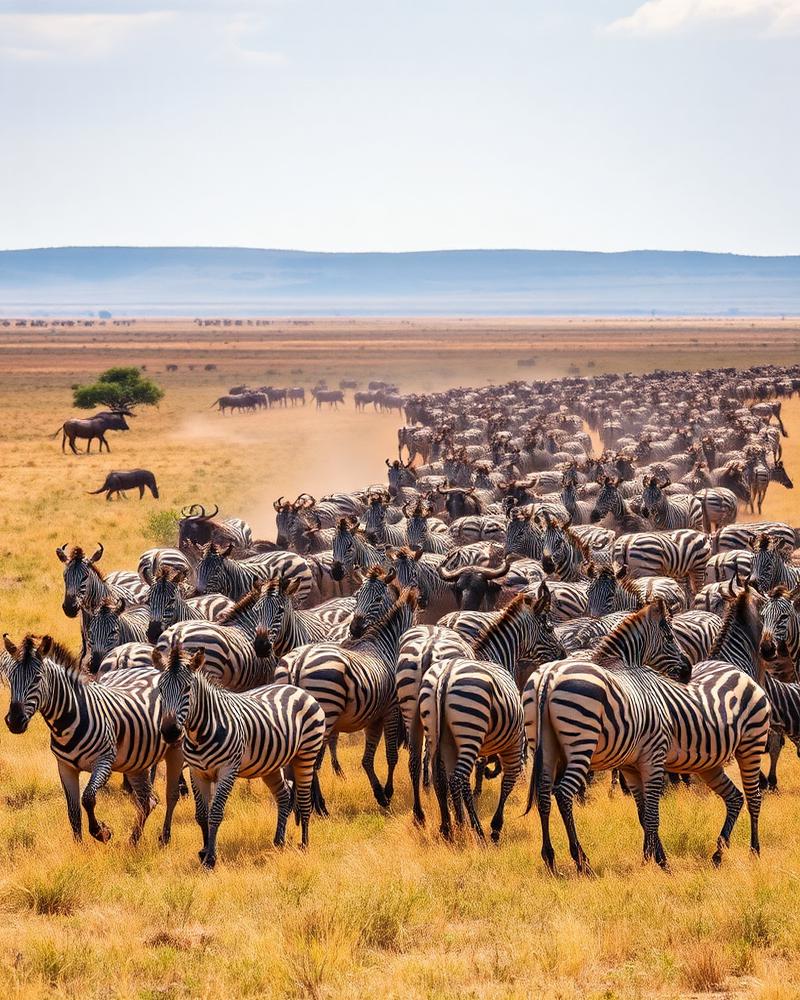
Entry is timed and tied to a specific route. We prioritise the circuit that suits your interests and mobility; the classic viewpoint and a detailed archaeological visit are not interchangeable ticket choices.
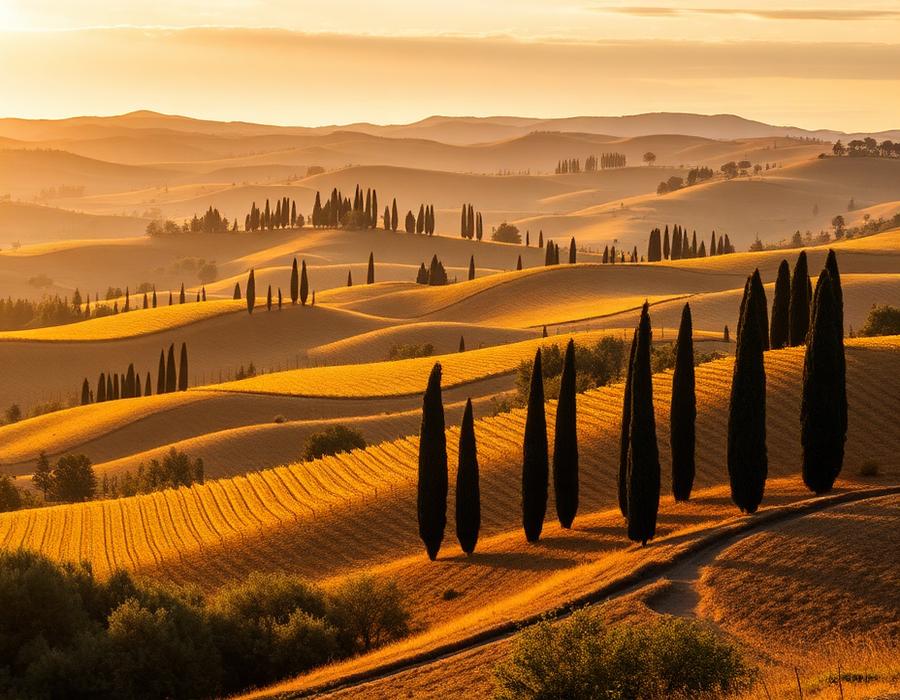
Explore Barranco, visit a neighbourhood market and make time for ceviche at lunch. Lima’s celebrated restaurants warrant advance booking, but its everyday cooking is equally worth attention.
Every trip we send is rewritten at least once. Treat this as a rhythm rather than a route — then tell your specialist what to cut, slow down or add.
Settle into Miraflores or Barranco for two nights. Keep arrival day clear, then explore Barranco with a private guide and visit the Larco Museum. Arrange one considered restaurant reservation rather than a succession of tasting menus.
Fly to Cusco and transfer directly down to the Urubamba area for three nights. Rest on arrival, then spread Ollantaytambo, Moray and the Maras salt pans across two days, with a pre-arranged weaving visit where appropriate.
Take the train from Ollantaytambo along the Urubamba River. Stay overnight in Machu Picchu Pueblo, allowing a quiet afternoon before the following day’s timed entry.
Visit Machu Picchu with a private guide on your booked circuit, then return by train and road to Cusco; this is a long day. Spend two nights in Cusco, with the next day devoted to Qorikancha, San Blas and time at your own pace.
Fly to Puerto Maldonado, directly where schedules permit, and continue by road and boat to a forest lodge for three nights. Join naturalist-led walks and river excursions; wildlife sightings depend on conditions, not a checklist.
Travel back to Puerto Maldonado and fly to Lima for a final night. This creates a sensible buffer before your international departure on Day 13, with dinner plans kept flexible.
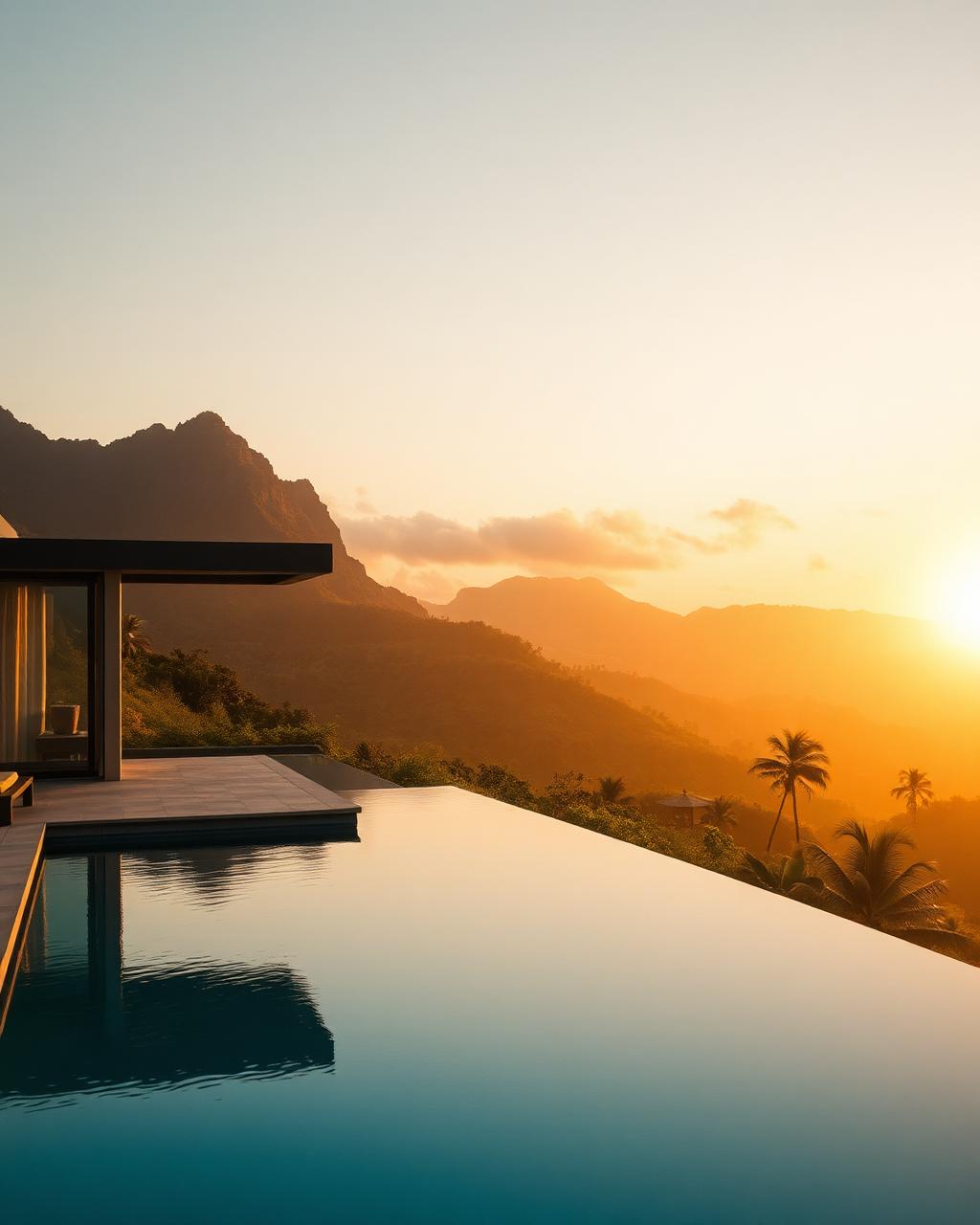
Illustrative private-house stayA proposed accommodation brief, not a verified property: a restored house with quiet bedrooms and space for private breakfasts. Indicative INR per person per night, sharing.
Illustrative staffed villaA proposed accommodation brief, not a verified property: gardens, heating and a cook, with straightforward road access. Indicative INR per person per night, based on four guests sharing.
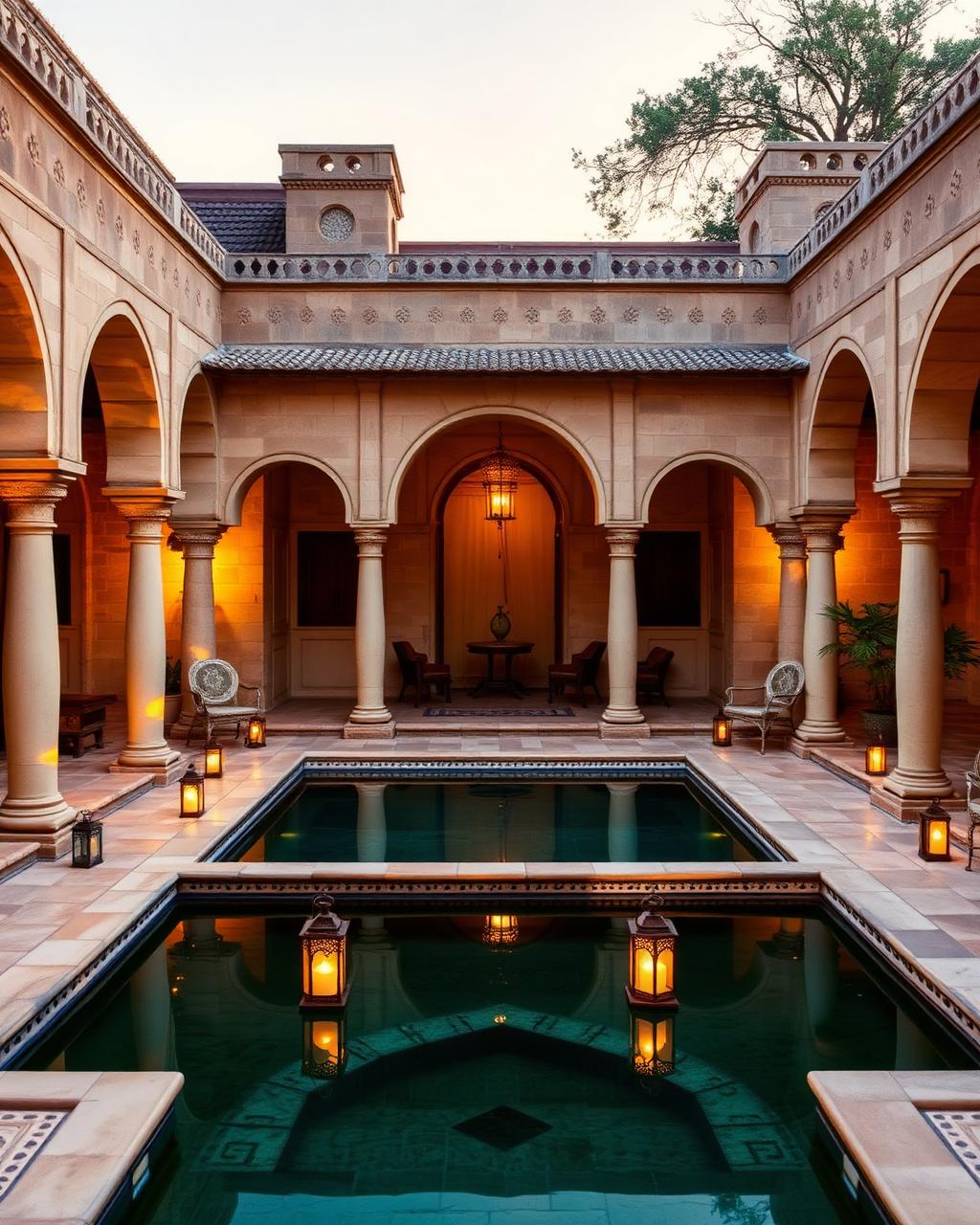 Illustrative forest lodge
A proposed accommodation brief, not a verified property: screened rooms, full board and naturalist excursions. Indicative INR per person per night, sharing; air-conditioning and private guiding must be confirmed.
Visit a local market with a culinary guide, then sit down to ceviche and regional dishes. Dietary requirements need advance discussion: fish stock, shellfish and meat-based sauces are common.
Choose a gentle valley walk or a longer route around rural communities near Chinchero after acclimatisation. Distance is only part of the calculation; elevation and exposure matter just as much.
Look for macaws, monkeys and river-edge birdlife on outings chosen around your lodge’s location. Clay-lick visits can require very early starts, and sightings are never guaranteed.
Explore Inca stonework and colonial architecture at Qorikancha and around the historic centre. A good guide makes the overlapping histories legible without filling every hour.
“Plan around the altitude first, the entry tickets second, and the wish list third.”
May to September is generally best for the Andes, with drier days and cold nights; June to August is busiest. April and October offer a useful compromise, with more variable rain. Lima is sunnier from December to March, while its winter is often grey. The Amazon is hot and humid year-round, including during its relatively drier months.
For May–September travel, start planning six to nine months ahead where possible, especially if you want a particular circuit or the Inca Trail. Availability varies by ticket type and release schedule. The classic Inca Trail normally closes in February for maintenance; Machu Picchu itself does not routinely close for that month.
Yes, provided the itinerary reflects everyone's mobility and health. Uneven paving, steps, altitude and long transfer days are the main constraints. Machu Picchu is not a step-free site; we would discuss route suitability before securing tickets rather than assuming private guiding removes physical barriers.
Absolutely. Lima, the Sacred Valley, Cusco and Machu Picchu can be combined using flights, road transfers and trains. You will still need to manage walking and steps at archaeological sites, but multi-day trekking is entirely optional.
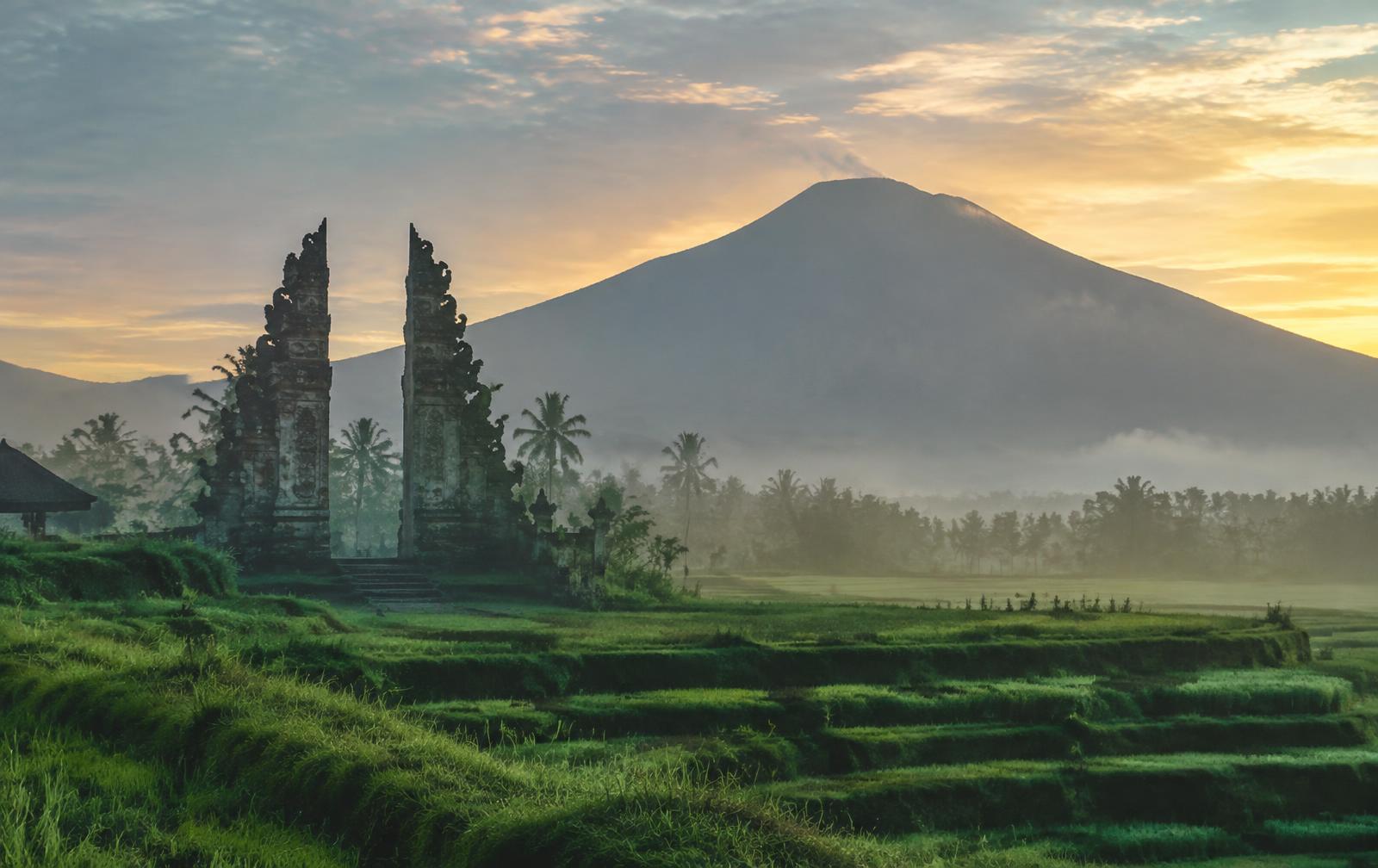
Bali’s temple towns and coastal villas pair well with Komodo’s dry hills, coral reefs and carefully timed days at sea.
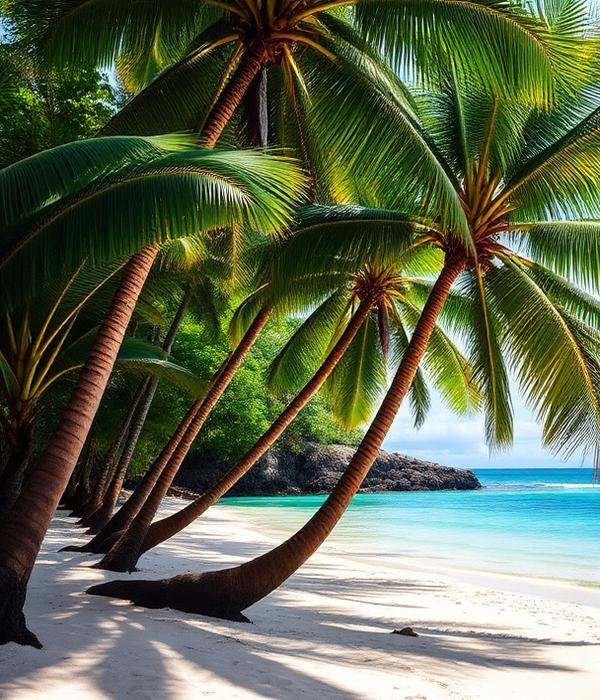
Monastery mornings, empty trails and a country that limits its own visitors. Go now, go slowly.
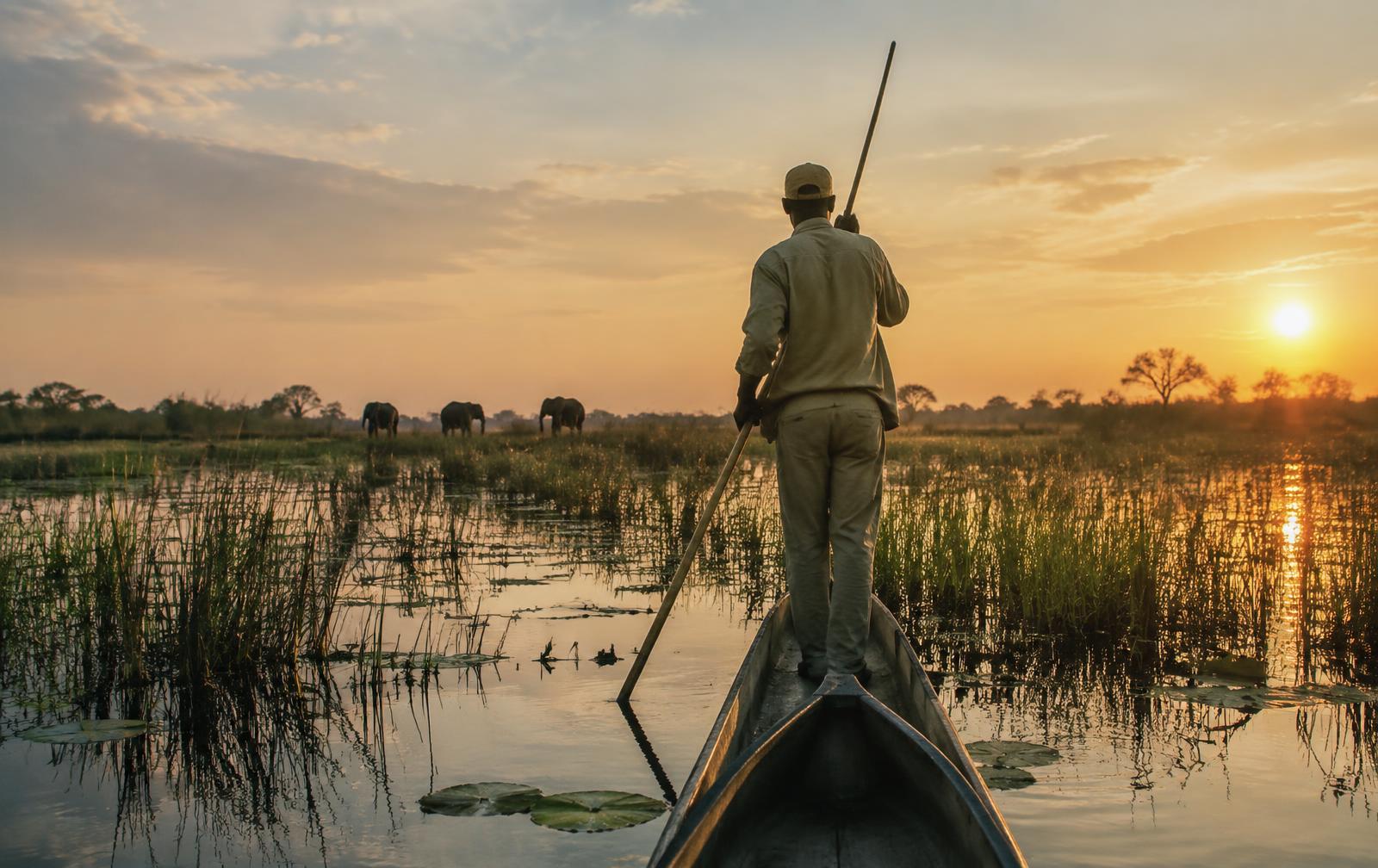
Follow Botswana’s waterways from the Okavango Delta to the Chobe River, with time to watch rather than chase wildlife.
Once-in-a-lifetime, or a long quiet weekend. Tell us what you're picturing — the first conversation is on us.