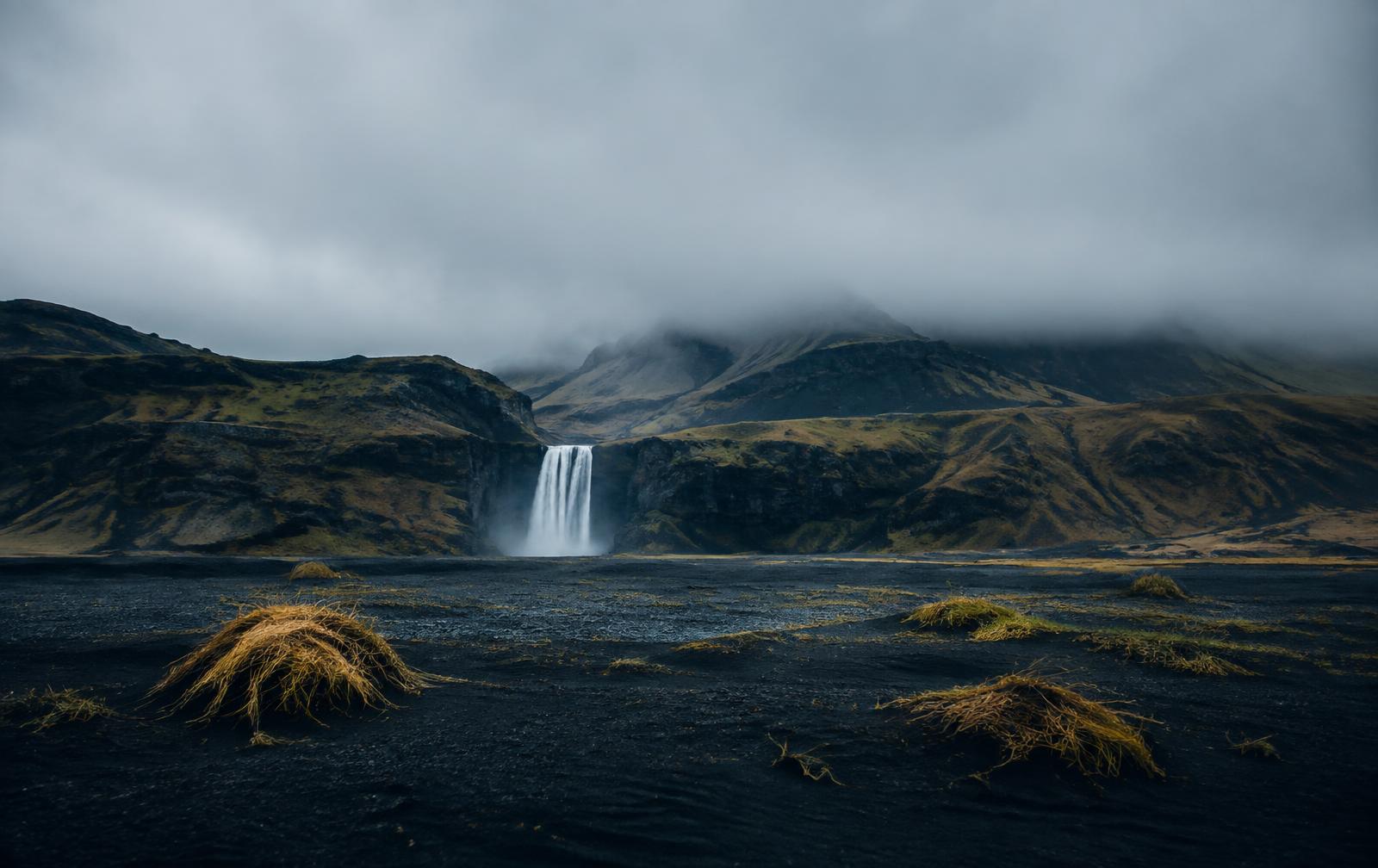
The south coast, with time to stop
Walk below Skógafoss, cross moss-covered lava country and reach the glacier lagoons east of Skaftafell. Two nights near the lagoons avoid making this a single exhausting excursion from Reykjavík.
Iceland rewards a measured journey: volcanic coastlines, glacier country and small places to stay between long stretches of open road.
Iceland’s scale is best understood outside Reykjavík, where roads follow lava fields, black-sand shores and rivers carrying glacial silt towards the Atlantic. The south coast offers the clearest introduction; Snæfellsnes adds fishing harbours and a quieter volcanic landscape. June to August brings long daylight and the broadest access, while September trades some certainty in the weather for darker evenings and a chance of northern lights.
We plan Iceland around sensible driving distances, private guiding where it makes a difference, and accommodation chosen for its position rather than its facilities list. For a first visit, nine nights allows Reykjavík, the south coast and Snæfellsnes without attempting the entire Ring Road. The honest caveat is that weather can overturn a careful schedule: glacier outings, boat trips and even road transfers need room to change.
Walk below Skógafoss, cross moss-covered lava country and reach the glacier lagoons east of Skaftafell. Two nights near the lagoons avoid making this a single exhausting excursion from Reykjavík.
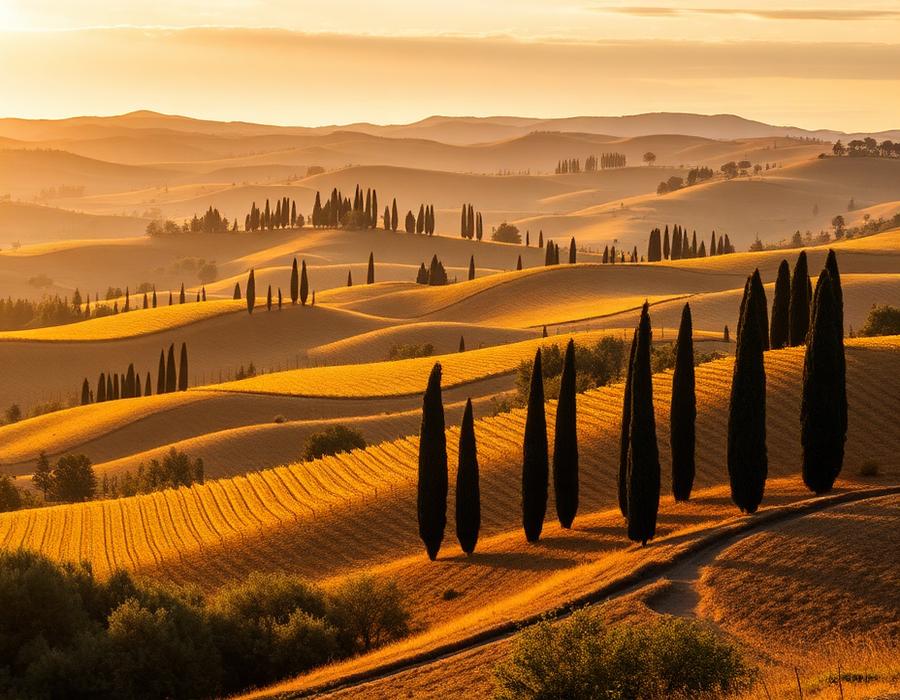
Follow the cliffs at Arnarstapi, visit the harbour at Stykkishólmur and explore the volcanic coast beneath Snæfellsjökull. Wind and visibility determine which walks make sense.
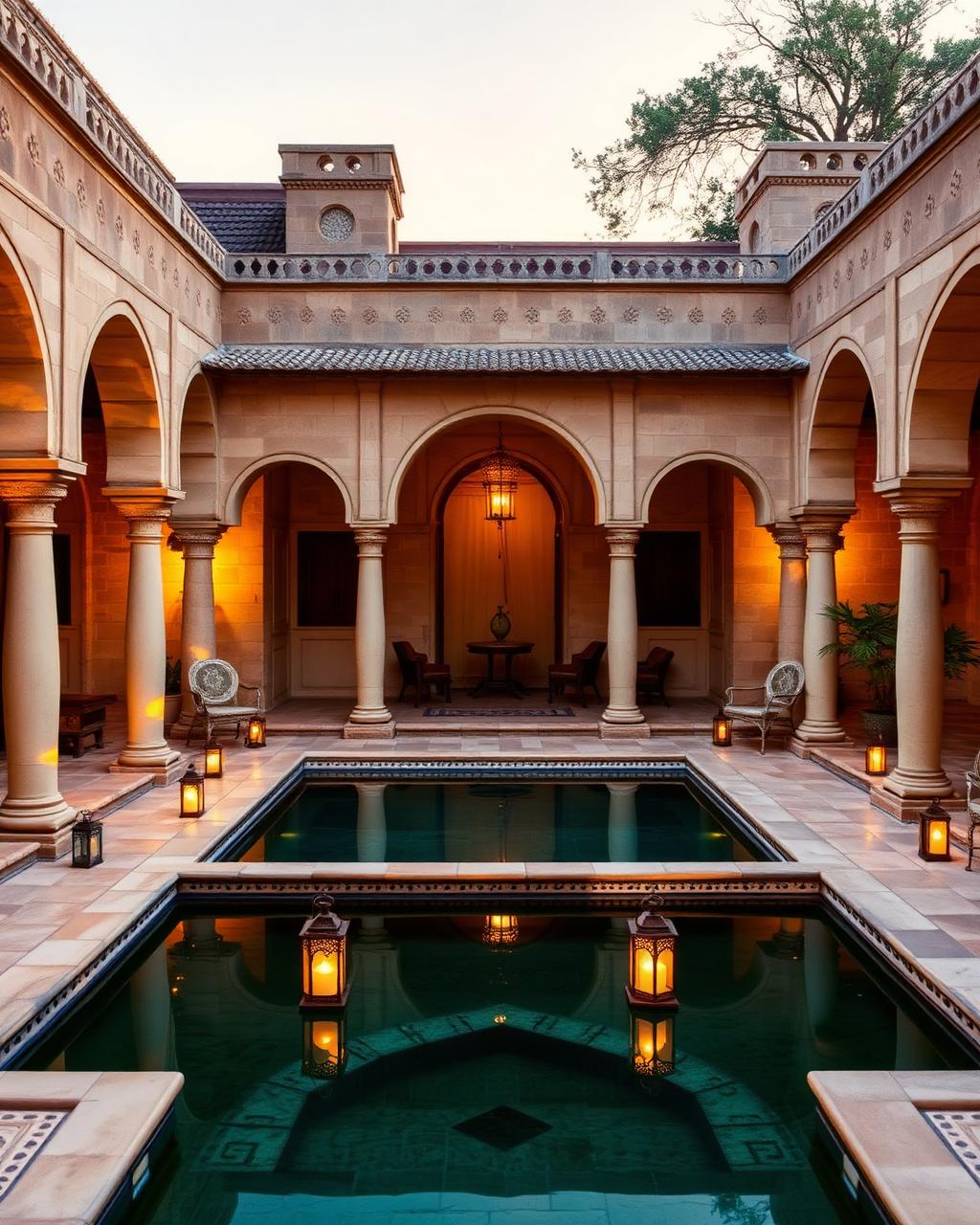
Choose a Reykjavík-area lagoon or a smaller geothermal pool along the route. Book popular bathing venues ahead; local municipal pools offer a less elaborate, more everyday Icelandic experience.
Every trip we send is rewritten at least once. Treat this as a rhythm rather than a route — then tell your specialist what to cut, slow down or add.
Transfer from Keflavík to Reykjavík for two nights. Keep arrival day light, then take a privately guided day through Þingvellir, the Geysir geothermal area and Gullfoss. Return to the city for dinner rather than changing hotels immediately.
Travel east past Seljalandsfoss and Skógafoss to a two-night base near Vík. Explore Dyrhólaey when access permits and visit Reynisfjara from well behind the waterline. Add a guided Sólheimajökull glacier walk if conditions and fitness allow.
Continue to the Skaftafell–Jökulsárlón area for two nights. Walk selected national-park trails, visit Fjallsárlón and Jökulsárlón, and consider a seasonal lagoon boat outing. Leave one flexible half-day for poor weather or a longer walk.
Retrace the coast to Hella for an overnight stop, allowing roughly four to five hours of driving before sightseeing. This deliberately breaks the otherwise very long transfer from glacier country to western Iceland.
Drive via Borgarnes to a two-night peninsula base. Spend the following day between Arnarstapi, Djúpalónssandur and Kirkjufell, adjusting the circuit to visibility and wind. A cave visit can be arranged with an authorised operator.
Allow approximately three to four hours to reach Keflavík from southern Snæfellsnes, plus weather and airport buffers. For a morning departure, replace the final peninsula night with a Reykjavík or airport-area stay.
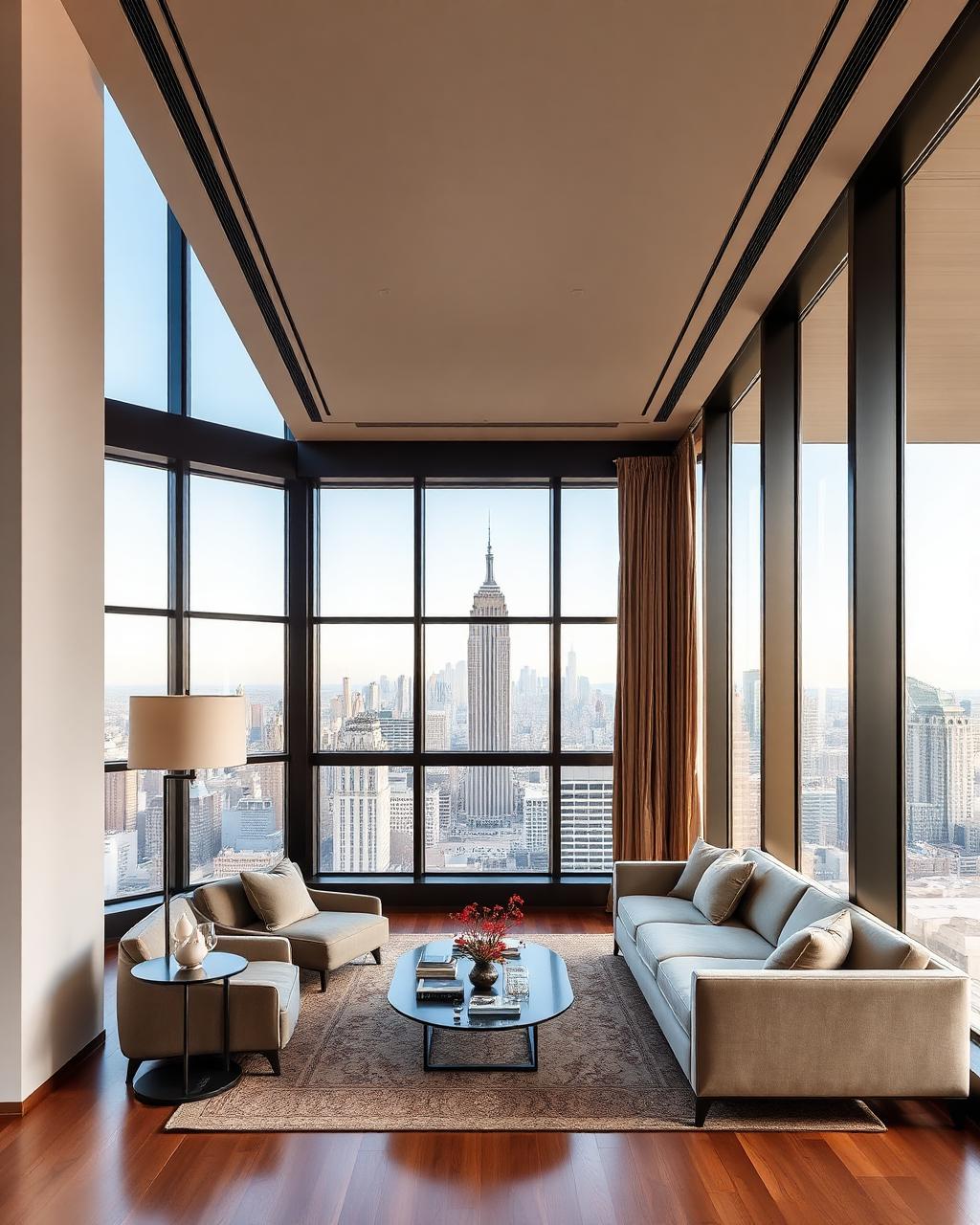
Illustrative private-house stayA proposed accommodation style, not a verified property listing. Indicative nightly whole-house budget for a small party seeking city access and a private kitchen.
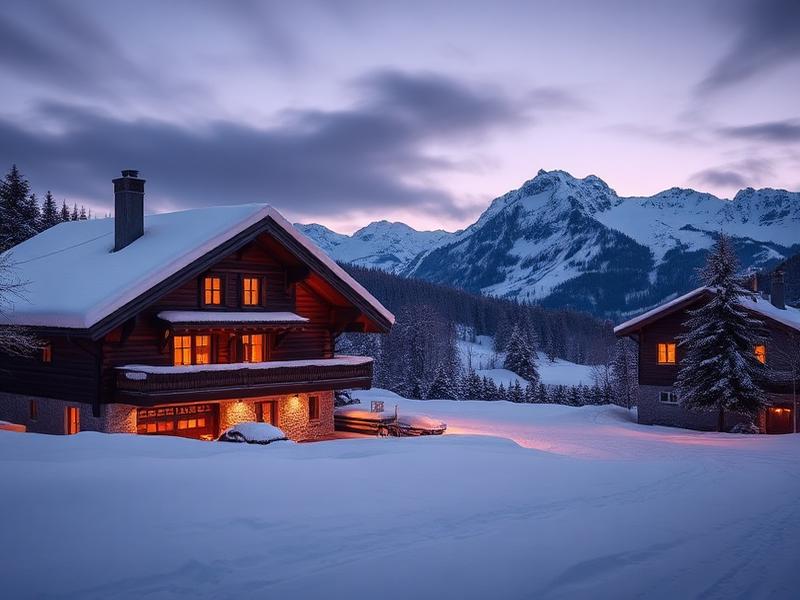
Illustrative exclusive-use lodgeA planning placeholder for a contemporary private lodge. Indicative nightly exclusive-use budget; catering, guiding and exact location require confirmation.
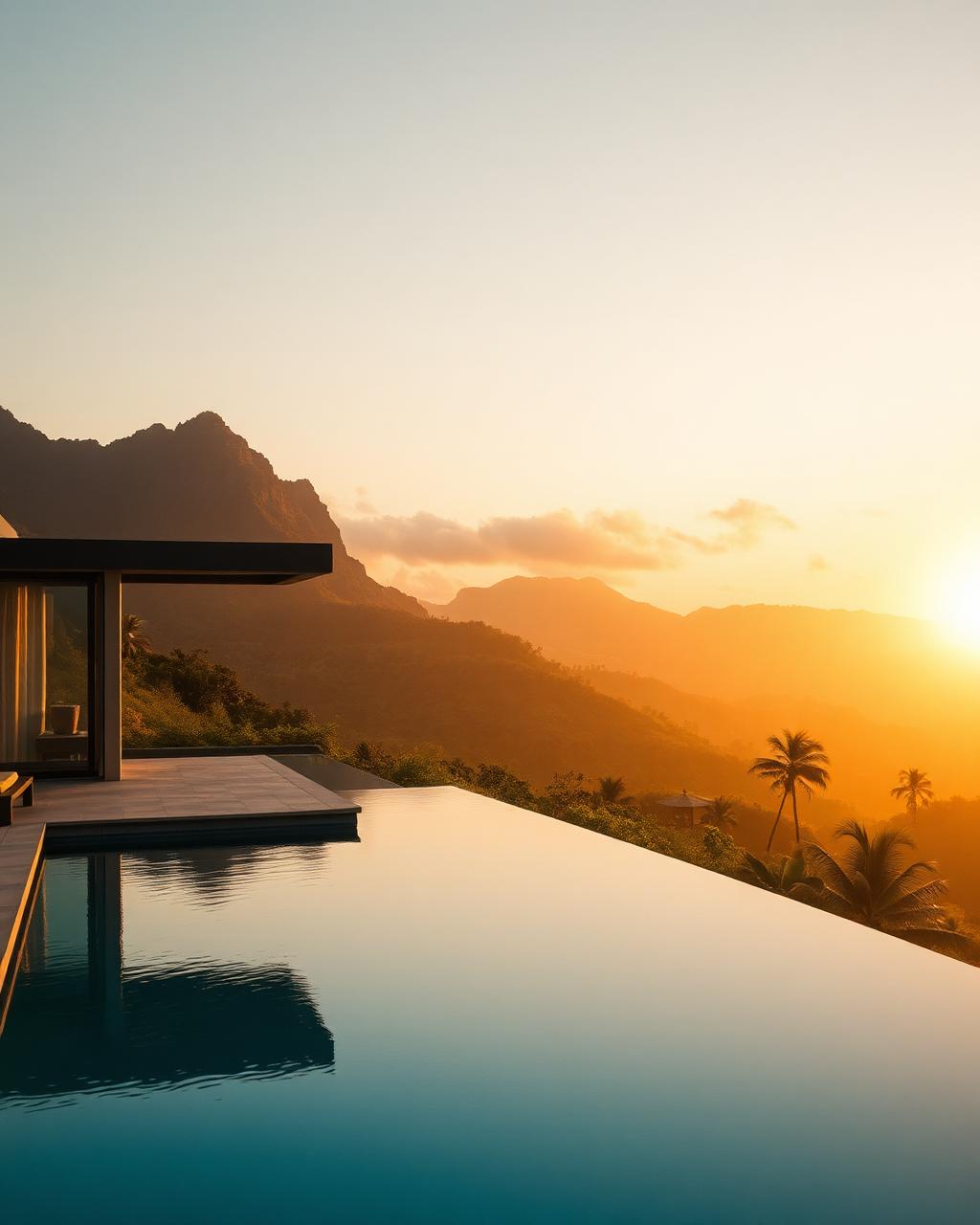 Illustrative private coastal house
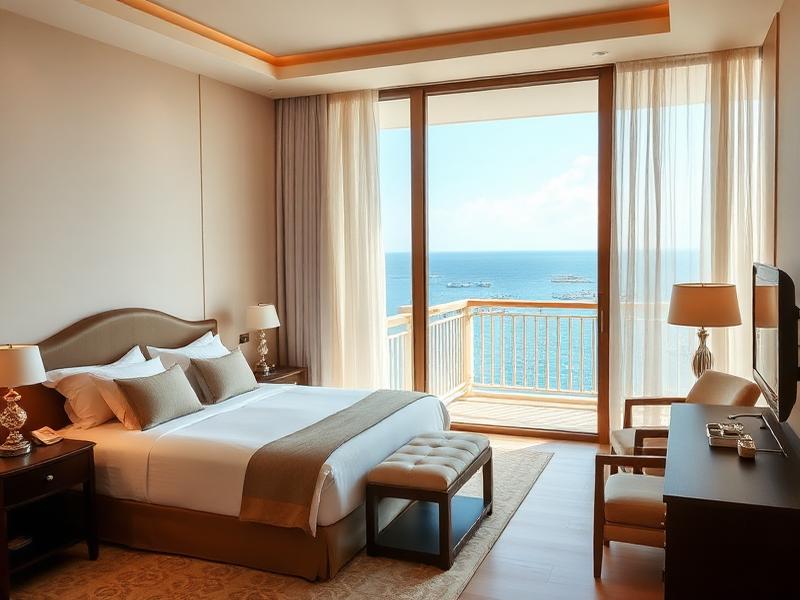
A proposed private-house category rather than a bookable named property. Indicative nightly whole-house budget; remote locations can mean self-catering or pre-arranged meals.
Join a qualified glacier guide on Sólheimajökull or an accessible Vatnajökull outlet, using supplied safety equipment. Minimum ages and physical requirements vary; this is not a suitable independent walk.
Add a specialist 4x4 excursion to Landmannalaugar from the Hella area when roads open, commonly between late June and September. Access is never guaranteed, and the long, rough journey is not for everyone.
From roughly September to March, choose accommodation away from strong artificial light and keep evenings flexible. Clear skies and solar activity are both necessary; a dark location alone cannot secure a sighting.
Arrange a guided introduction to Icelandic fish, lamb, rye bread and skyr, followed by a reserved dinner. Vegetarian meals are manageable with notice; strict Jain requirements need advance discussion, particularly outside the capital.
“In Iceland, we would rather leave an afternoon open than promise an activity the weather may not permit.”
June to August is the most straightforward period for this itinerary, with long days and generally better road access. September can work well with warmer clothing and flexibility. October is increasingly a winter-style proposition, particularly away from the south-west.
Summer nights are too light for dependable aurora viewing. Many natural blue-ice cave excursions operate primarily in the colder months, with access assessed for safety. Some other cave products run outside winter, but they are not interchangeable with seasonal Vatnajökull ice caves.
Yes, with shorter drives, fewer hotel changes and realistic activity choices. Glacier excursions have operator-specific age limits. Cliffs, geothermal ground and beaches require close supervision; Reynisfjara’s powerful sneaker waves make paddling or approaching the surf unsafe.
Not on a nine-night trip if the aim is time outside the vehicle. Allow 12–14 nights in summer for a more comfortable circuit, longer if adding the Westfjords. A regional journey offers more flexibility when weather interrupts plans.
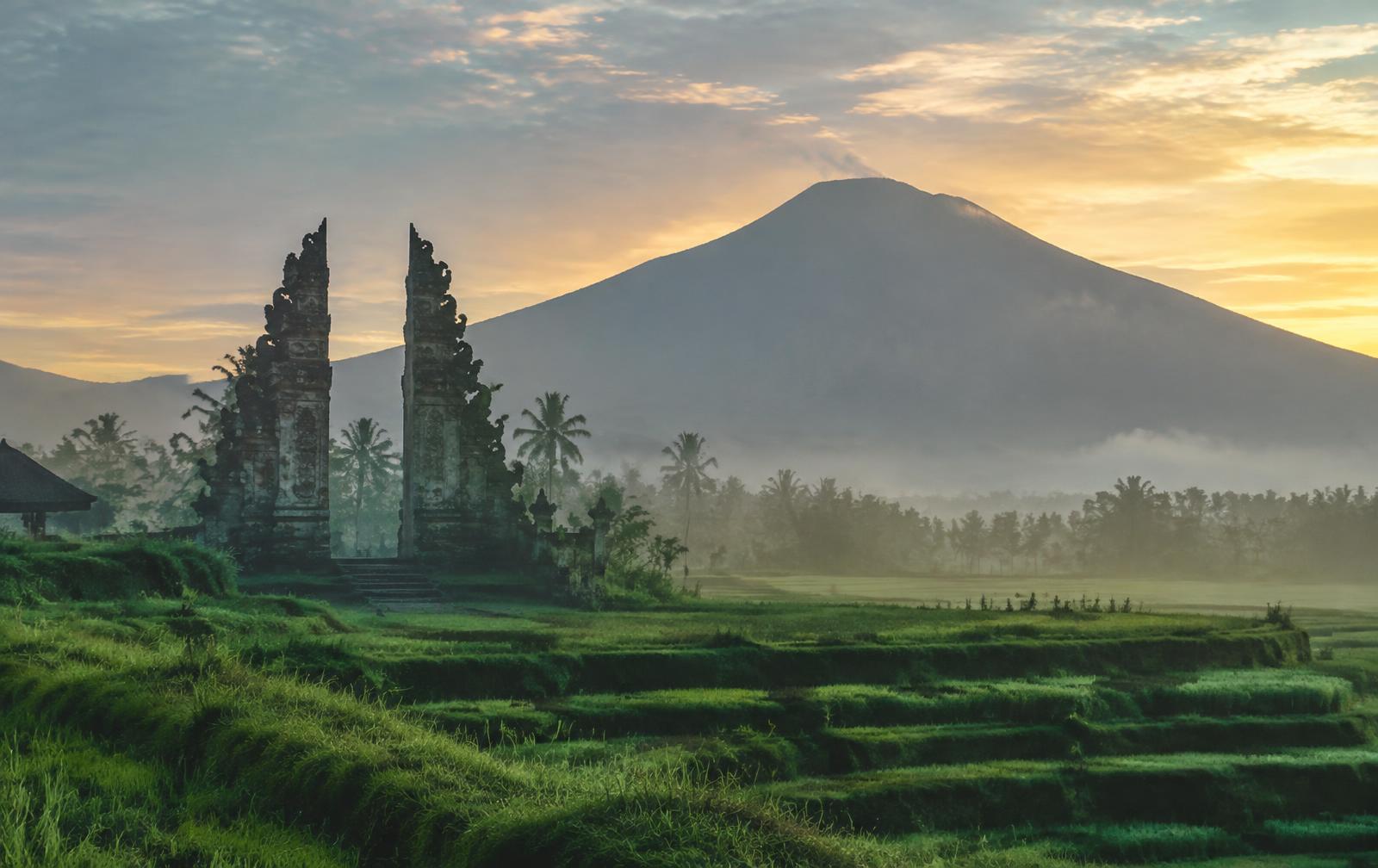
Bali’s temple towns and coastal villas pair well with Komodo’s dry hills, coral reefs and carefully timed days at sea.
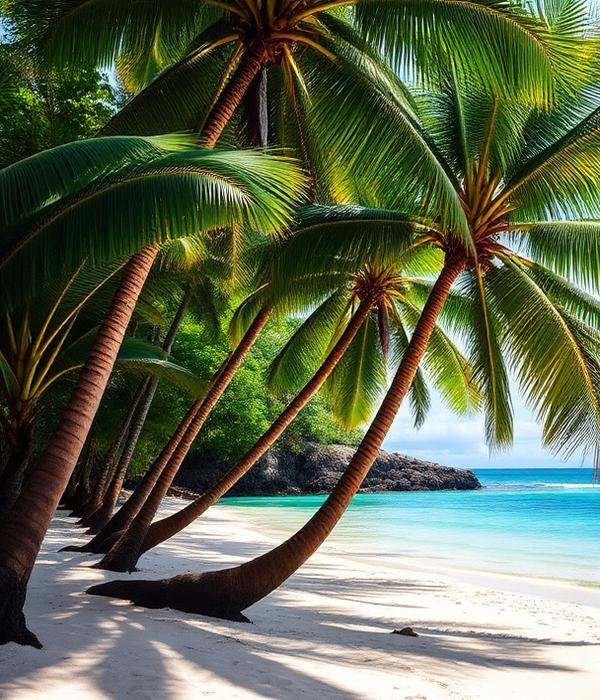
Monastery mornings, empty trails and a country that limits its own visitors. Go now, go slowly.
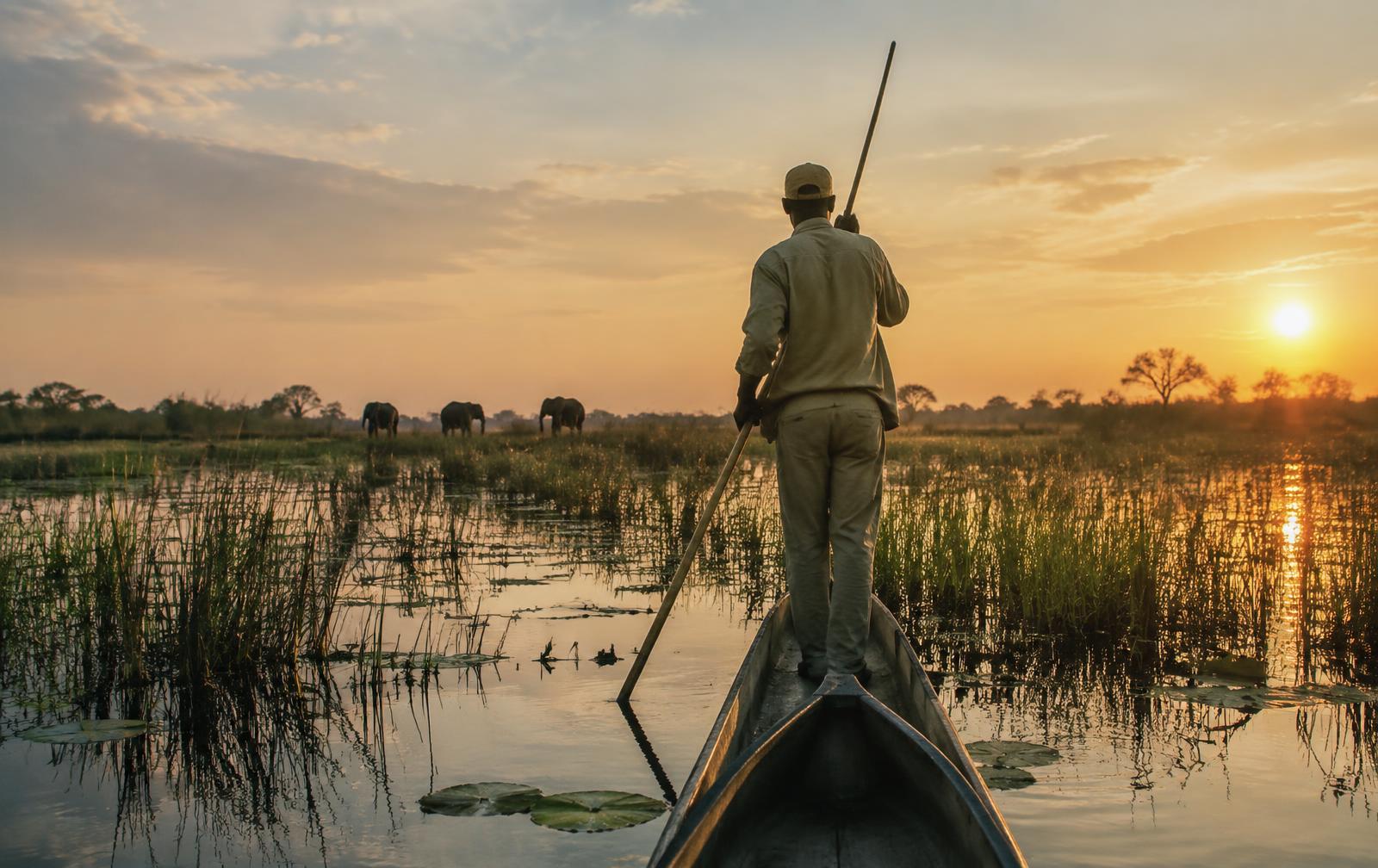
Follow Botswana’s waterways from the Okavango Delta to the Chobe River, with time to watch rather than chase wildlife.
Once-in-a-lifetime, or a long quiet weekend. Tell us what you're picturing — the first conversation is on us.