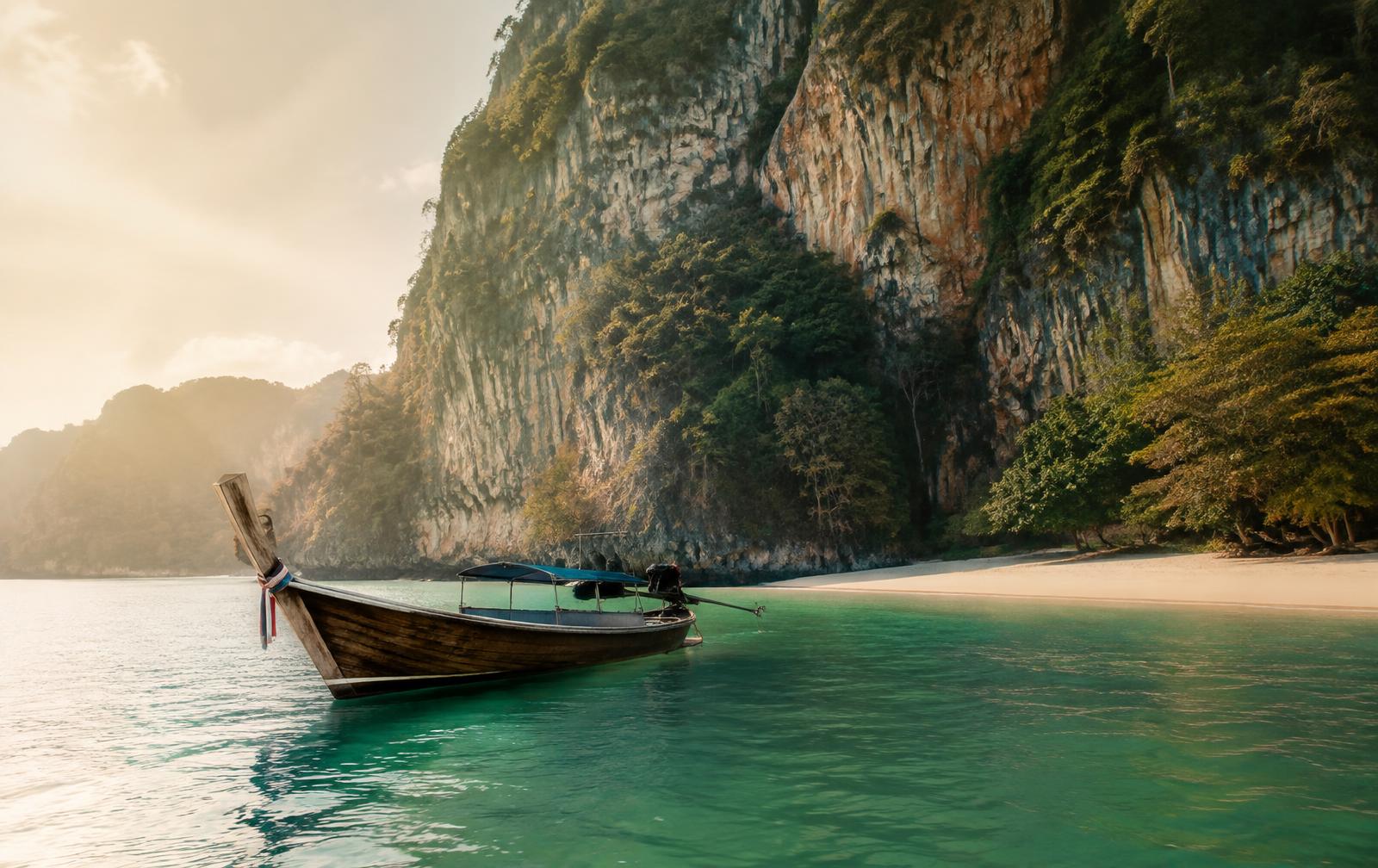
Bangkok by river and neighbourhood
Pair Wat Pho with a ferry crossing to Wat Arun, then explore Talat Noi on foot. A private car helps between districts, but boats and the Skytrain often beat the traffic.
Thailand rewards a measured journey: Bangkok’s river life, northern craft traditions and a coast chosen for the season.
Bangkok makes a compelling first stop: early ferries across the Chao Phraya, the courtyards of Wat Pho and supper in a shophouse off Charoen Krung. Beyond the capital, Chiang Mai offers workshops, market kitchens and forested hills, while the coast changes character from one bay to the next. We prefer fewer bases, well-judged guides and enough unscheduled time to let each place become familiar.
At Dev Travels, Bharat Dev’s team plans Thailand around your dates before choosing the beach: the Andaman coast and lower Gulf follow different weather patterns. A private journey typically combines Bangkok, the north and four or five coastal nights, with indicative pricing from INR 345,000 per person. The caveat is worth stating: northern smoke can compromise late-winter travel, and even the best coastal season brings busy beaches and occasional rain.
Pair Wat Pho with a ferry crossing to Wat Arun, then explore Talat Noi on foot. A private car helps between districts, but boats and the Skytrain often beat the traffic.
Visit Wat Phra Singh, meet makers around San Kamphaeng and learn the distinctions between northern Thai and central Thai cooking. November to January usually offers the most comfortable conditions.
Choose Phuket, Krabi or Phang Nga for generally settled Andaman conditions from December to March. Koh Samui often works better for a summer beach stay, though neither coast guarantees sunshine.
Every trip we send is rewritten at least once. Treat this as a rhythm rather than a route — then tell your specialist what to cut, slow down or add.
Arrive with a private transfer and keep the first evening light. Spend an early morning at Wat Pho and Wat Arun, explore Talat Noi with a guide, and reserve another evening for Yaowarat’s food stalls. Leave an afternoon free rather than adding another cross-city drive.
Fly north for three nights. Walk the old city, visit selected craft workshops in San Kamphaeng and cook a northern Thai lunch after a market visit. Time Doi Suthep for early morning. This northern section is best planned for November to January; persistent smoke may warrant replacing it.
Fly to Phuket and settle near Nai Thon or on the quieter northern coast. Alternate beach days with Phuket Old Town and a privately guided Phang Nga Bay outing, subject to sea conditions. Boat departures should be timed around tides and crowds rather than a fixed sightseeing checklist.
Transfer to the airport for your flight home. Use a direct service where schedules allow, or leave a generous connection in Bangkok. For summer departures, we would usually reassess the beach section in favour of Koh Samui.
This sample route is strongest from November to January. For travel later in the year, we adjust both the northern stay and the coast rather than selling the same itinerary in every season.
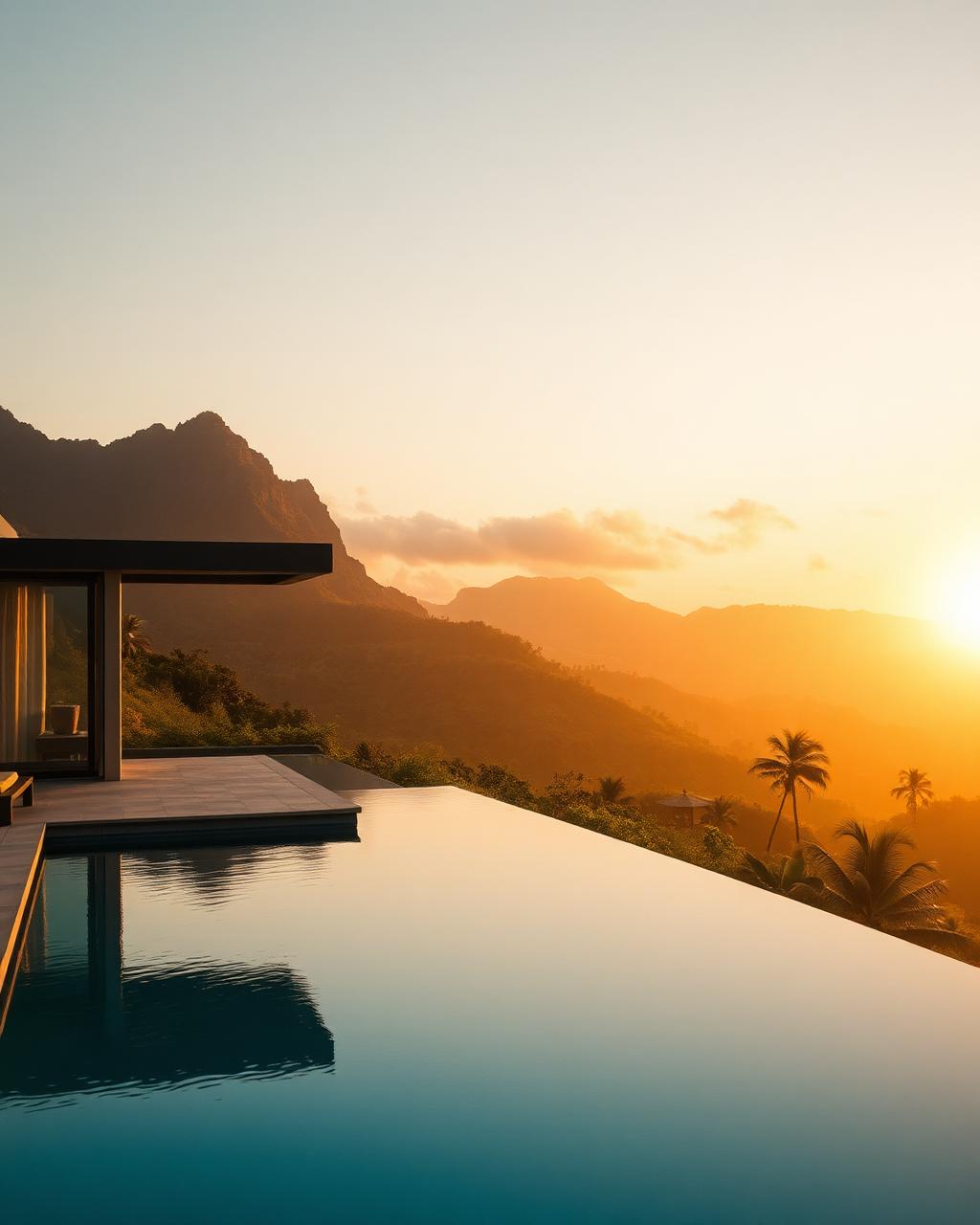
Illustrative private-house stayA proposed accommodation style, not a verified property: a serviced house with a shaded courtyard and convenient river access. Indicative INR per night for the house; location, staffing and occupancy affect the final quote.
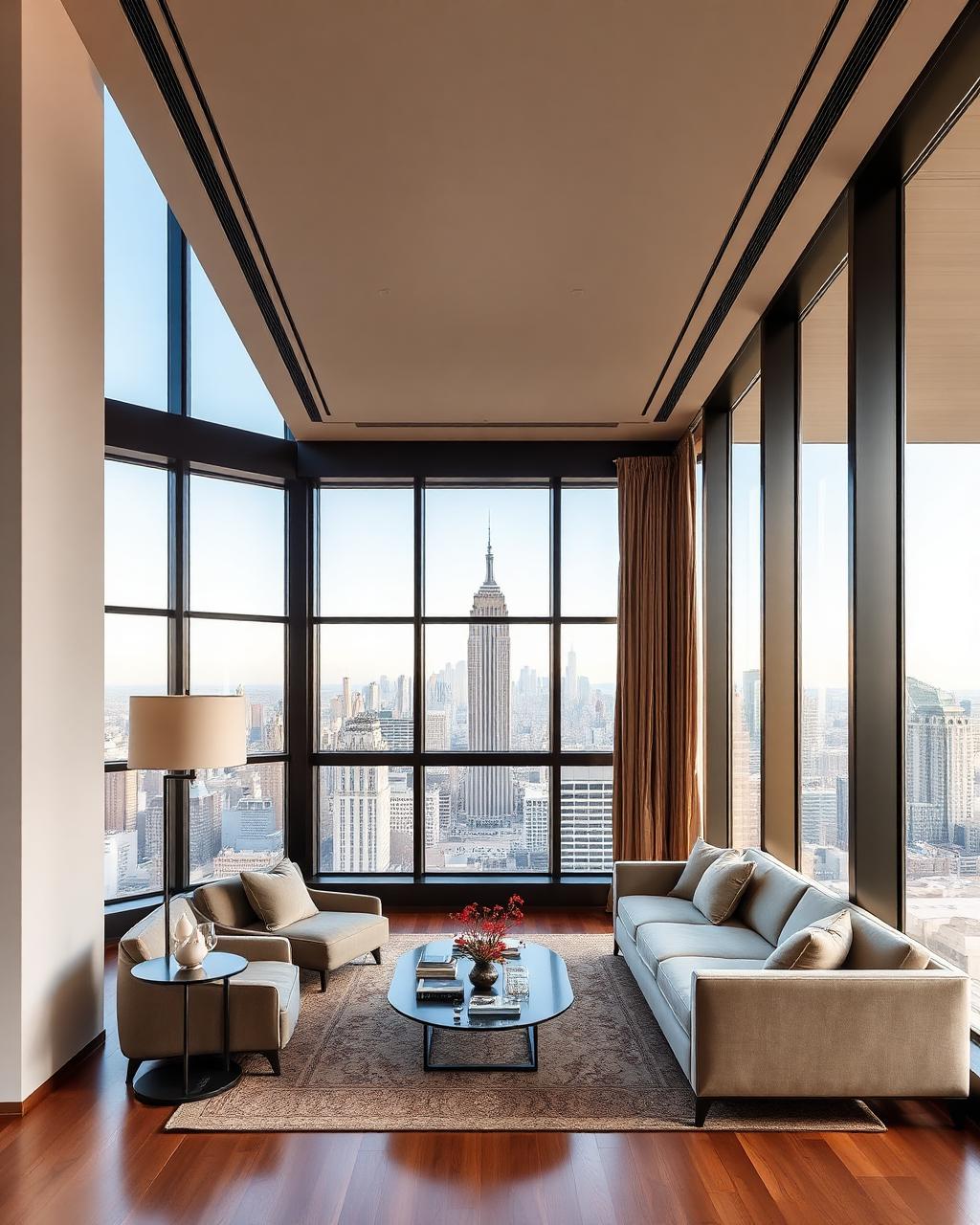
Illustrative private lodgeA proposed accommodation style, not a verified property: a small staffed lodge outside the city. Indicative INR per night for exclusive use. Garden space comes with longer drives to old-city restaurants.
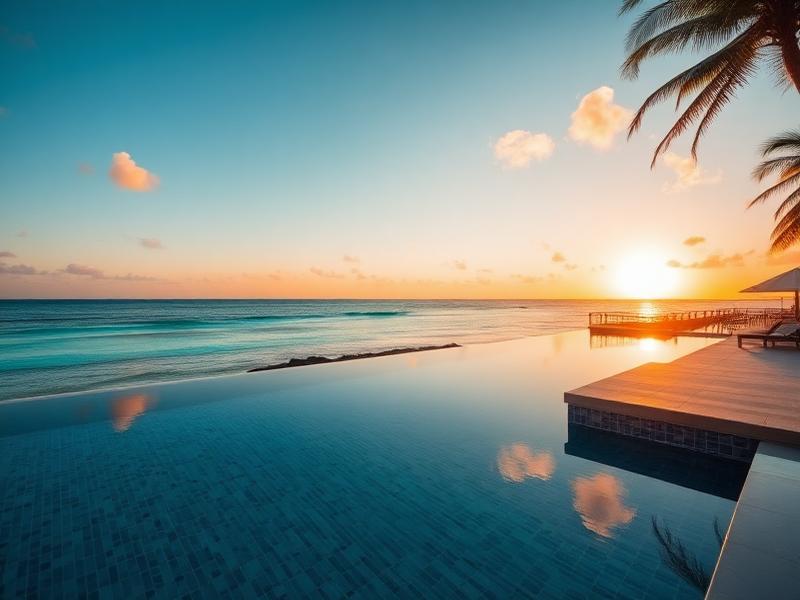
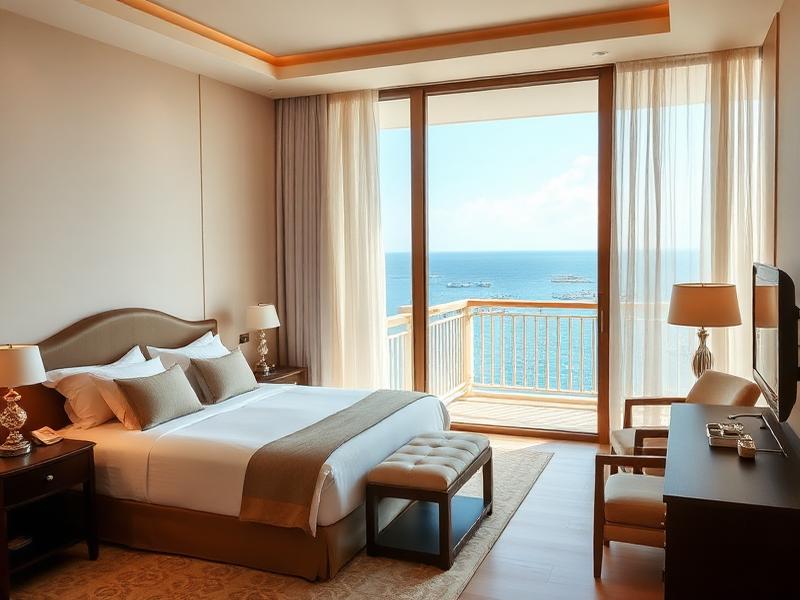 Illustrative private pool villa
A proposed accommodation style, not a verified property: a staffed multi-bedroom villa near Nai Thon. Indicative INR per villa per night, not per person. Beachfront access is not assumed; festive rates can be substantially higher.
Shop for herbs, seasonal vegetables and curry ingredients in Chiang Mai before a private cooking session. Vegetarian menus need advance discussion: fish sauce, shrimp paste and meat stocks are common even in vegetable dishes.
Walk between Chinese shrines, old warehouses and working repair shops, with stops chosen for their food and history. Go early for cooler streets and allow residents and businesses their space.
Take a licensed private boat among limestone islands, with kayaking where tides and local rules permit. We prioritise a manageable day on the water; famous stops may still be crowded.
Arrange focused visits with ceramicists, textile makers or silversmiths rather than a succession of souvenir outlets. Working studios require appointments, and hands-on sessions depend on the maker’s schedule.
“Choose the coast for the month, then give it enough nights to justify the journey.”
It is an indicative per-person planning budget for a tailor-made journey, based on two adults sharing outside peak festive dates. The final proposal itemises accommodation, domestic transport, guiding and activities. International flights, insurance and unlisted meals are additional unless expressly included; exclusive-use villas can raise the budget considerably.
For December to March, we generally favour the Andaman coast, including Phuket, Krabi and Phang Nga. For June to August, Koh Samui is often the better starting point. Exact dates, sea conditions, swimming access and flight connections matter more than a single national weather chart.
It can be affected by significant smoke and poor air quality. Conditions vary each year, but we would not make it the centrepiece of a March itinerary, particularly for children, older travellers or anyone with respiratory sensitivities.
Vegetarian meals are readily arranged with advance notice. Strict Jain requirements need more detailed kitchen coordination, especially outside Bangkok and larger resorts. We confirm ingredients and preparation requirements rather than relying on a menu’s vegetarian label.
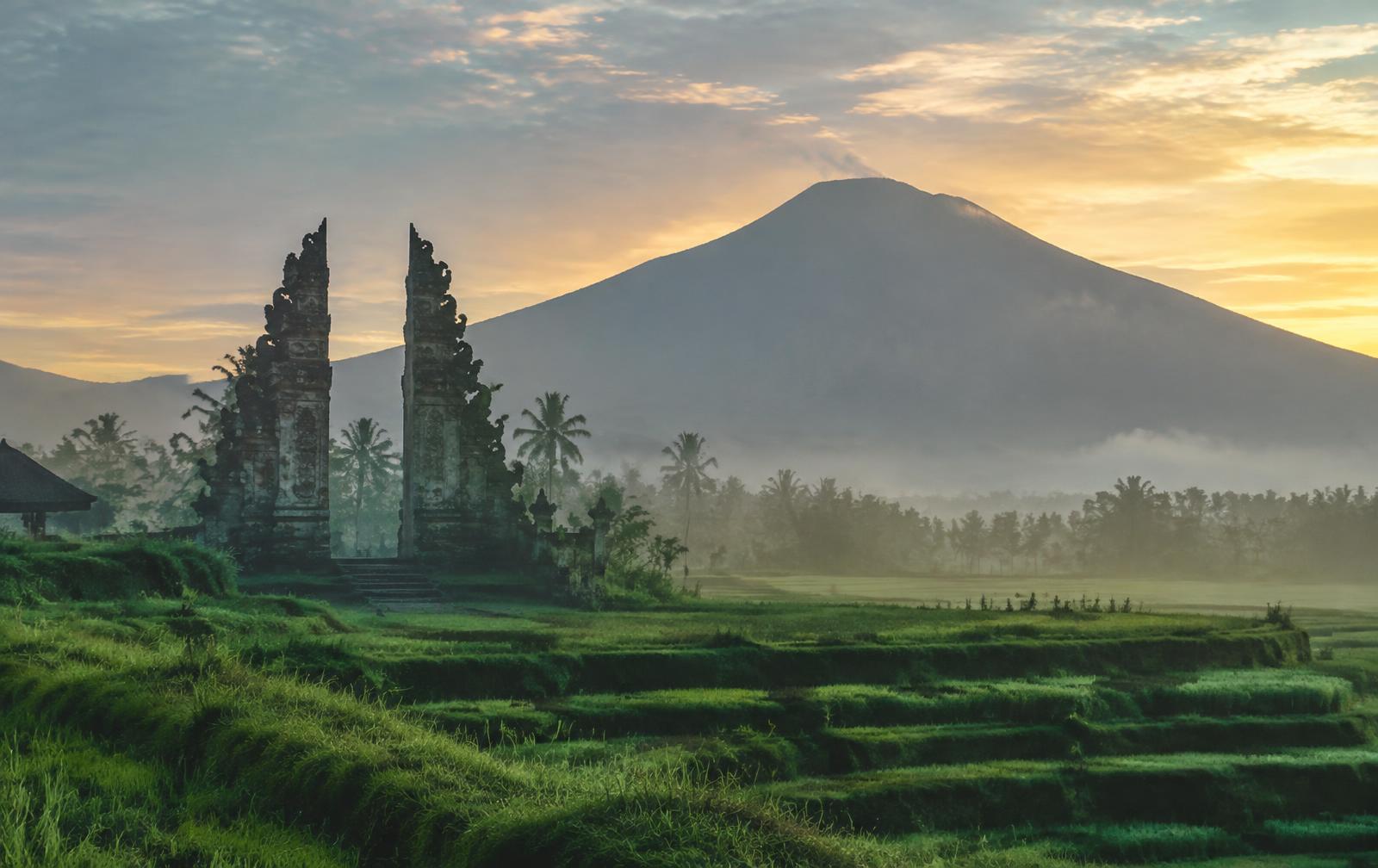
Bali’s temple towns and coastal villas pair well with Komodo’s dry hills, coral reefs and carefully timed days at sea.
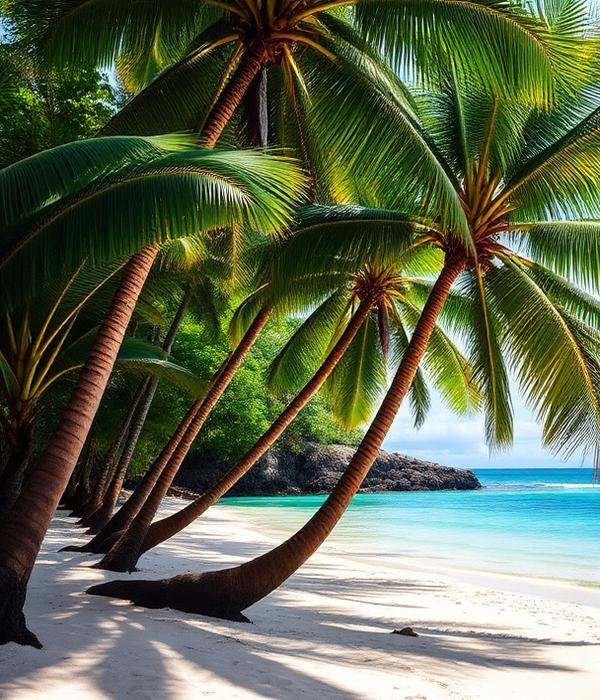
Monastery mornings, empty trails and a country that limits its own visitors. Go now, go slowly.
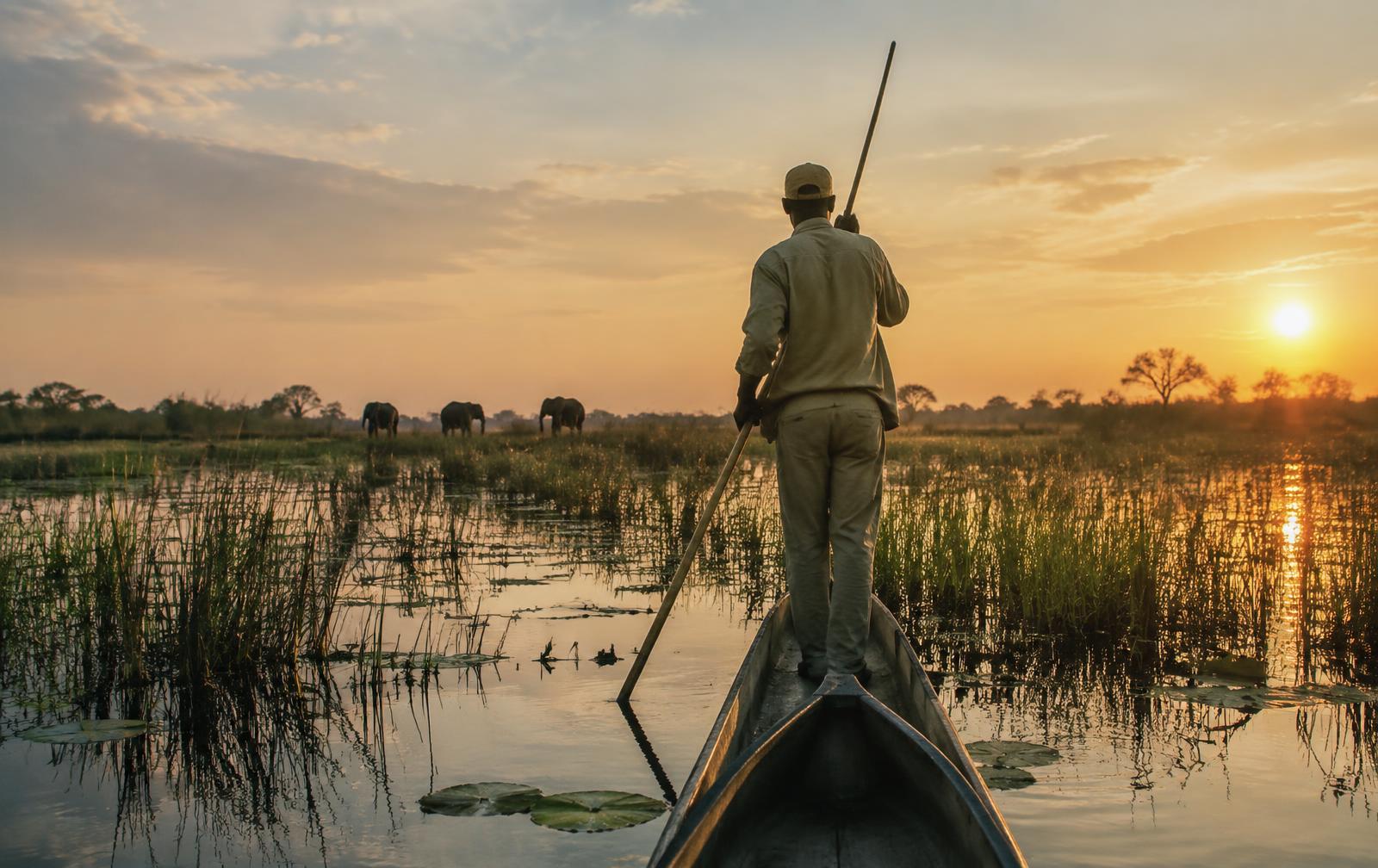
Follow Botswana’s waterways from the Okavango Delta to the Chobe River, with time to watch rather than chase wildlife.
Once-in-a-lifetime, or a long quiet weekend. Tell us what you're picturing — the first conversation is on us.