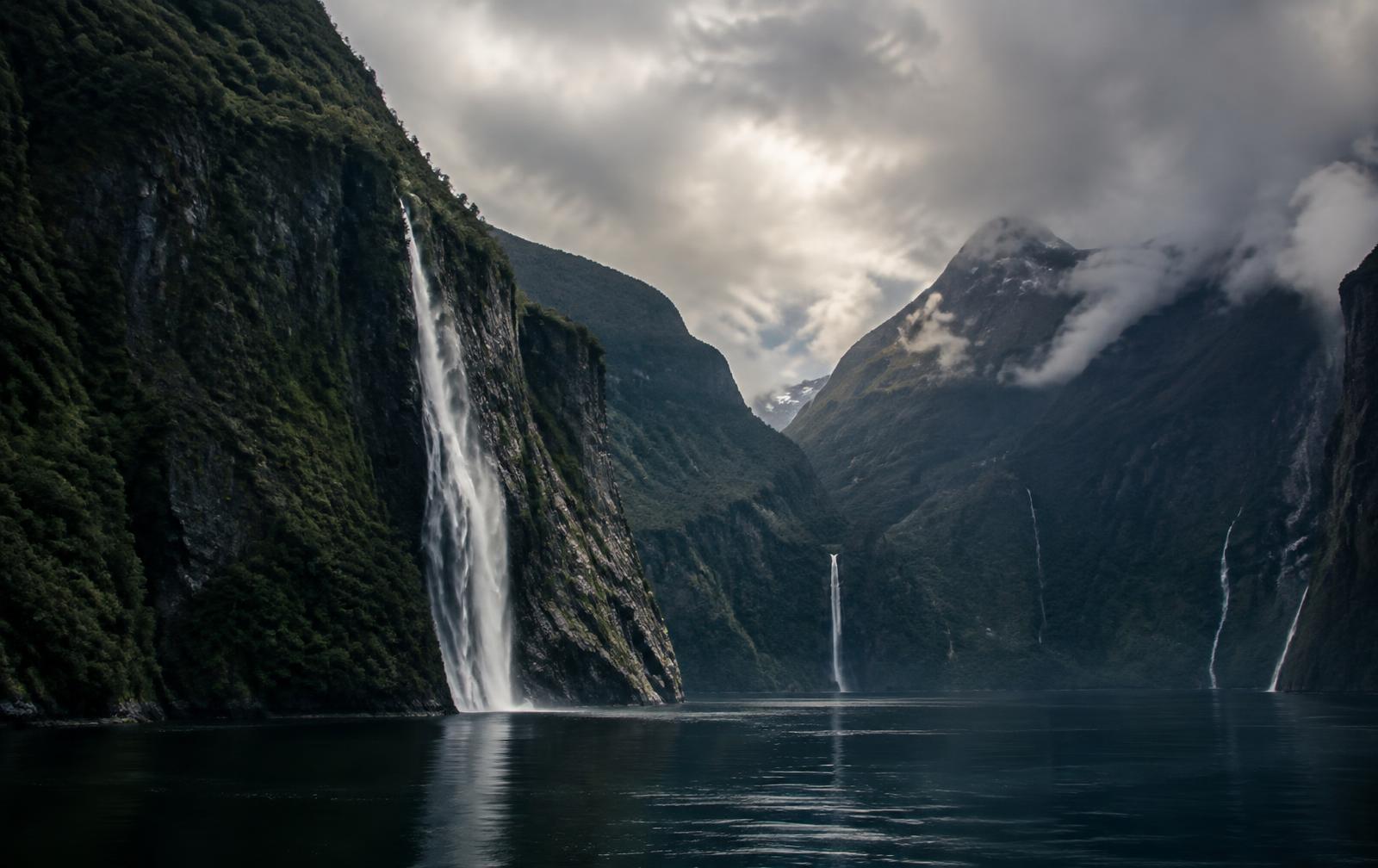
Aoraki and the Mackenzie Basin
Glacial lakes, broad tussock country and walking beneath New Zealand’s highest peaks. Stay two nights around Lake Tekapo to allow for changing mountain visibility.
Volcanic country, Southern Alps and long coastal roads, planned with enough time to stop rather than simply cover ground.
New Zealand rewards a journey built around its landscapes rather than a checklist of towns. On the North Island, we pair Auckland’s harbour and Waiheke vineyards with Rotorua’s geothermal country and Māori-led cultural encounters. Further south, the emphasis shifts to Aoraki / Mount Cook, Central Otago and Fiordland: places where a well-positioned house and an unhurried morning can matter more than another excursion.
We plan the two islands with a domestic flight between them, private guiding where it adds context, and self-drive stretches where the roads are part of the pleasure. For Indian families, we build in recovery after the long outbound journey and discuss meals before booking remote stays. The caveat is distance: driving takes longer than the map suggests, and mountain weather can rearrange even carefully prepared days.
Glacial lakes, broad tussock country and walking beneath New Zealand’s highest peaks. Stay two nights around Lake Tekapo to allow for changing mountain visibility.
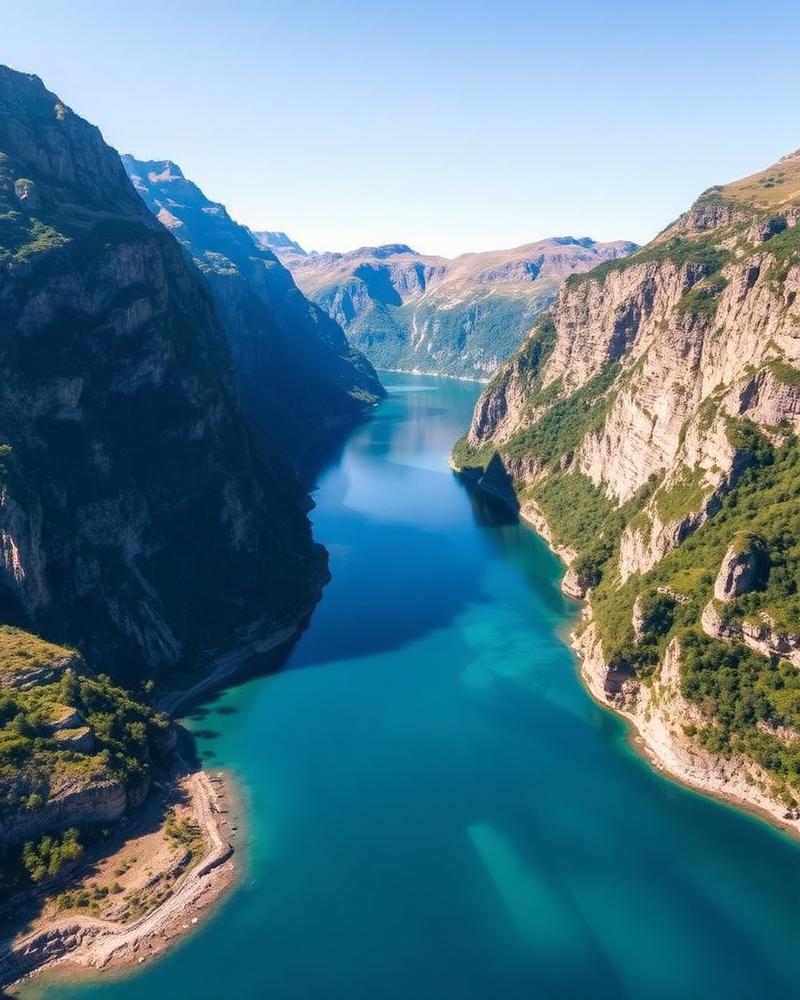
Explore geothermal landscapes and arrange a Māori-led visit that explains local history, tikanga and the continuing relationship with the land.
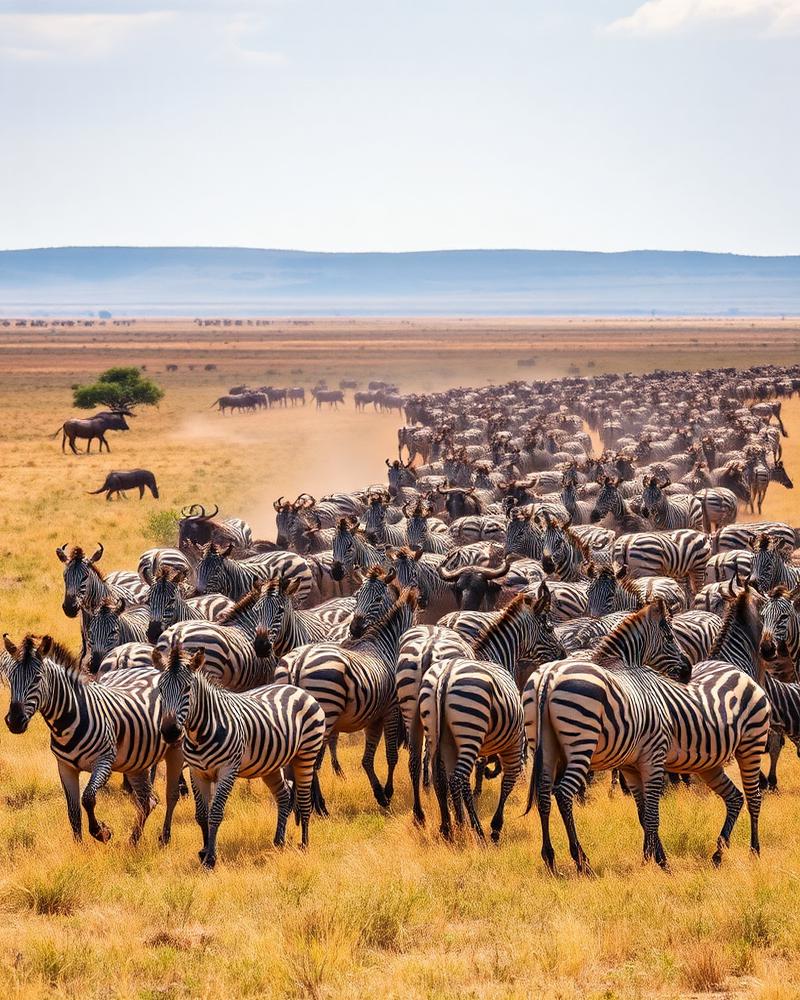
Spend a day among the pinot noir producers of Gibbston and Bannockburn, with a driver and time for a proper vineyard lunch.
Every trip we send is rewritten at least once. Treat this as a rhythm rather than a route — then tell your specialist what to cut, slow down or add.
Recover from the flight with a harbour-side afternoon. Take the passenger ferry to Waiheke the next day for a privately guided vineyard visit and coastal lunch; return to Auckland for the night.
Drive south to Rotorua, allowing around three hours before stops. Combine a guided geothermal visit with a Māori-hosted cultural experience, leaving a separate afternoon for the redwood forest or lake.
Take a scheduled Rotorua–Christchurch flight, subject to operating days. Walk along the Avon River / Ōtākaro and explore the city’s changing architecture before beginning the South Island drive.
Drive to Lake Tekapo through the Canterbury Plains. Reserve the following day for Aoraki / Mount Cook National Park, choosing walks around conditions and fitness; book stargazing with the understanding that cloud may intervene.
Cross the Mackenzie Basin and Lindis Pass to Wānaka. Spend three nights here for lakeside cycling, a guided mountain walk and a quieter day without a long transfer.
Continue to Queenstown, using the Cromwell route if alpine road conditions warrant it. Include a winery day and a Milford Sound / Piopiotahi excursion. Flying saves considerable road time but is weather-dependent; the road alternative is a very long day.
Illustrative private residenceAn example of the residence style we would source, not a verified property listing. Indicative nightly whole-house rate; harbour access and bedroom configuration would be confirmed.
Illustrative small lodgeA proposed lodge profile rather than a bookable property name. Indicative nightly rate for a double suite; meals and guiding may cost extra.
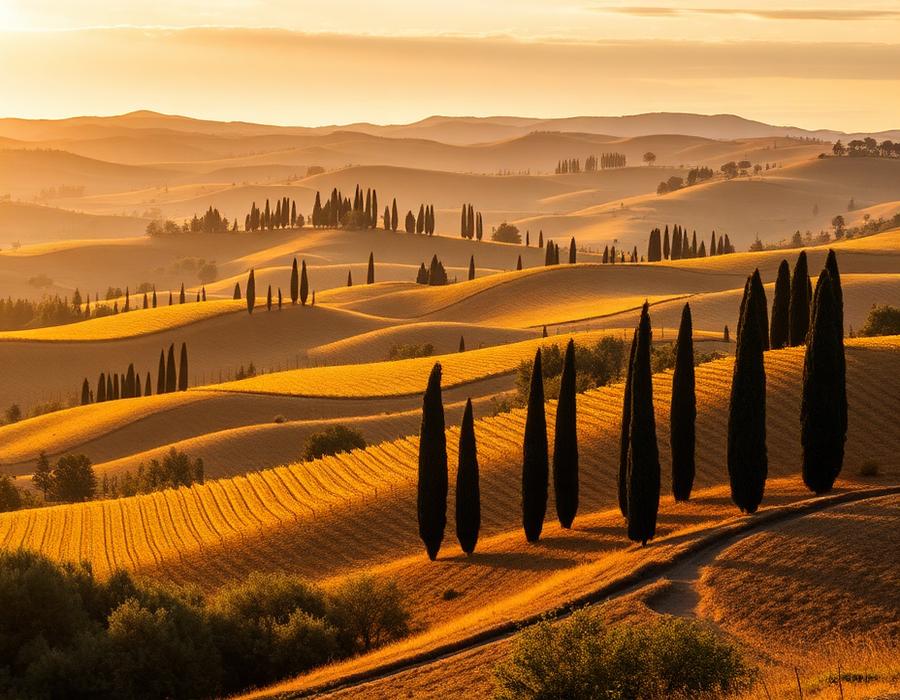 Illustrative private lake house
An illustrative three-bedroom house profile. Indicative nightly whole-house rate; lake frontage, housekeeping and minimum stays require confirmation.
Visit a small number of Central Otago producers rather than racing between cellar doors. Appointments and a dedicated driver leave room to discuss the wines and linger over lunch.
Cruise Milford Sound / Piopiotahi beneath steep rock walls and waterfalls. Rain can make the scenery more dramatic, though low cloud may prevent scenic flights.
Choose a day walk around Wānaka or Aoraki / Mount Cook matched to your fitness and the forecast. Exposed routes are not casual sightseeing paths; easier valley walks are often the better choice.
For a dedicated ski trip, base near Queenstown or Wānaka between July and September. Book lessons early and allow for wind closures, variable snow and mountain-road restrictions.
“Our planning principle: choose fewer bases and leave room for the weather, particularly on the South Island.”
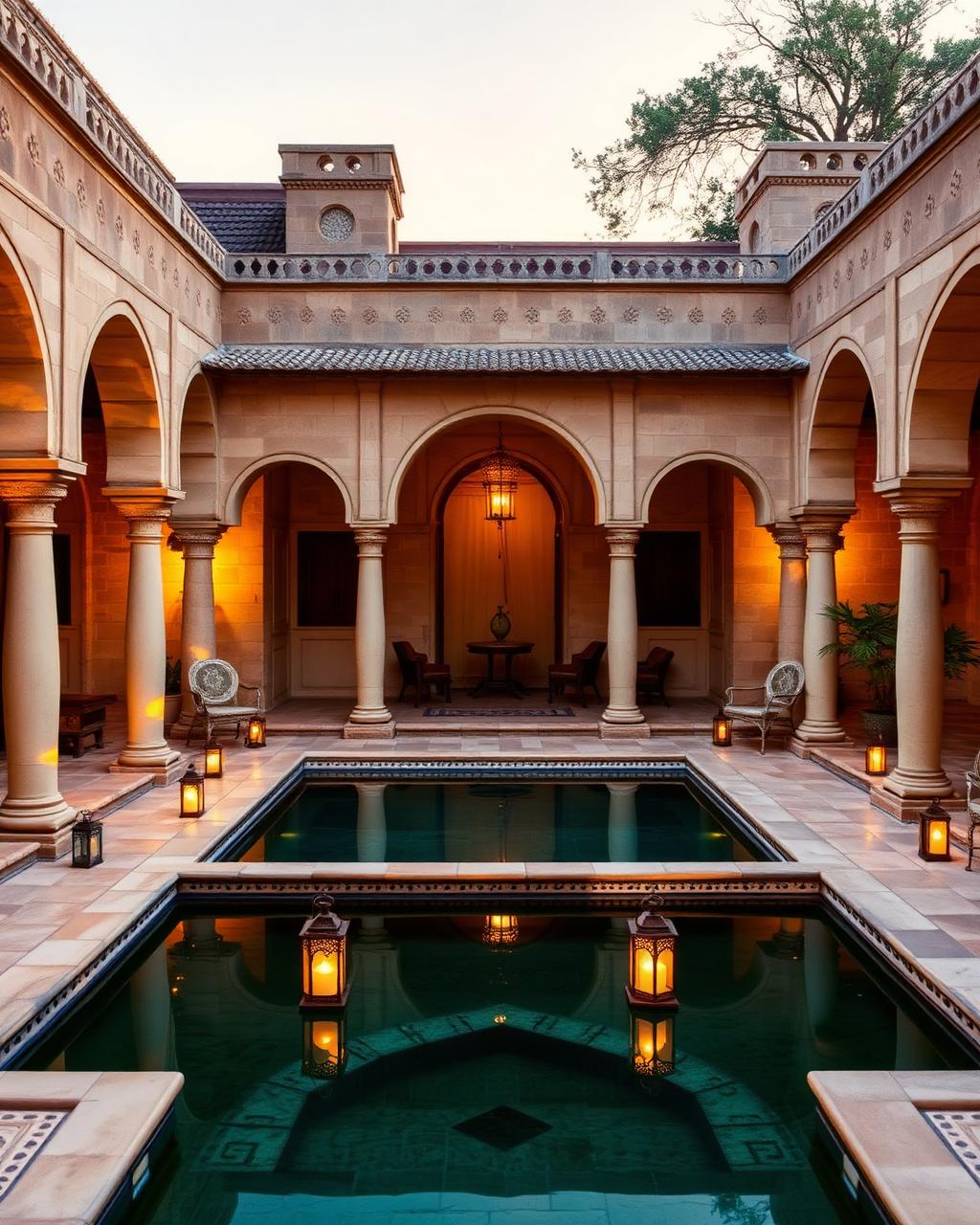
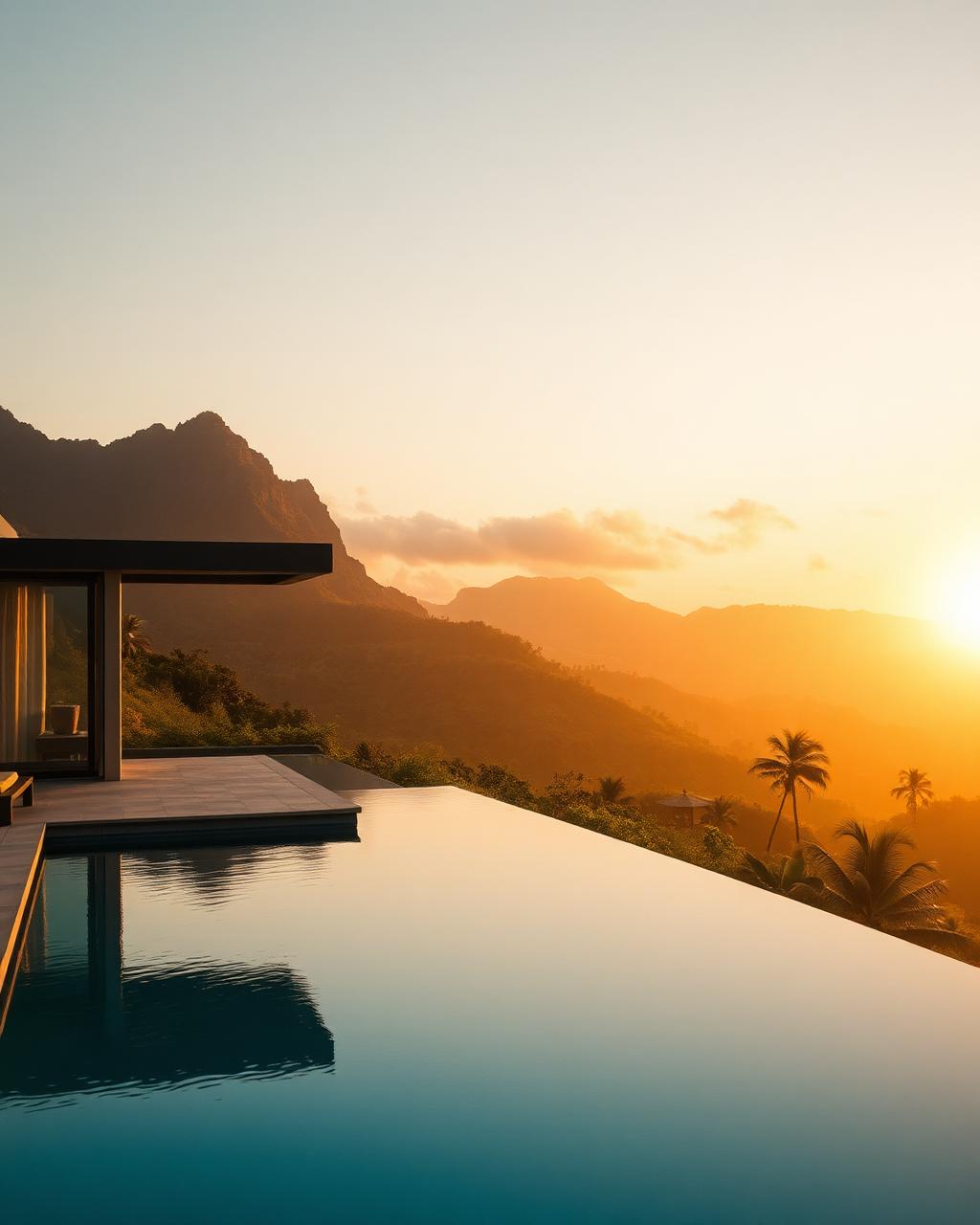
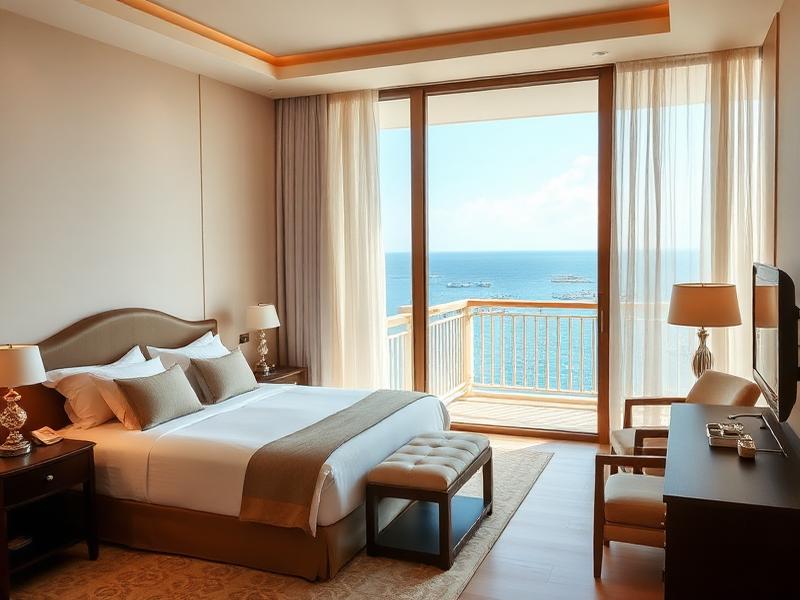
Allow from INR 765,000 per person as an indicative planning budget, based on two adults sharing. Dates, residence size, guiding and internal flights materially affect the total. International airfare, meals and activity inclusions will be specified in the proposal; this is not a fixed-price package.
December to March offers long days and generally favourable conditions for touring and walking, without guaranteed sunshine. Christmas and January are particularly busy. April brings autumn colour to Central Otago; October and November offer spring landscapes but more changeable alpine conditions.
New Zealand has strict biosecurity rules. Declare food and other risk items on your arrival declaration, and check official guidance before packing. Some products cannot enter even when commercially packaged. Clean soil from walking shoes and outdoor equipment before arrival.
Vegetarian dining is generally manageable in Auckland, Queenstown and other main centres. Jain meals and more specific requirements need advance discussion, particularly at remote lodges. A private house with a kitchen or pre-arranged chef can help, but ingredient availability varies.
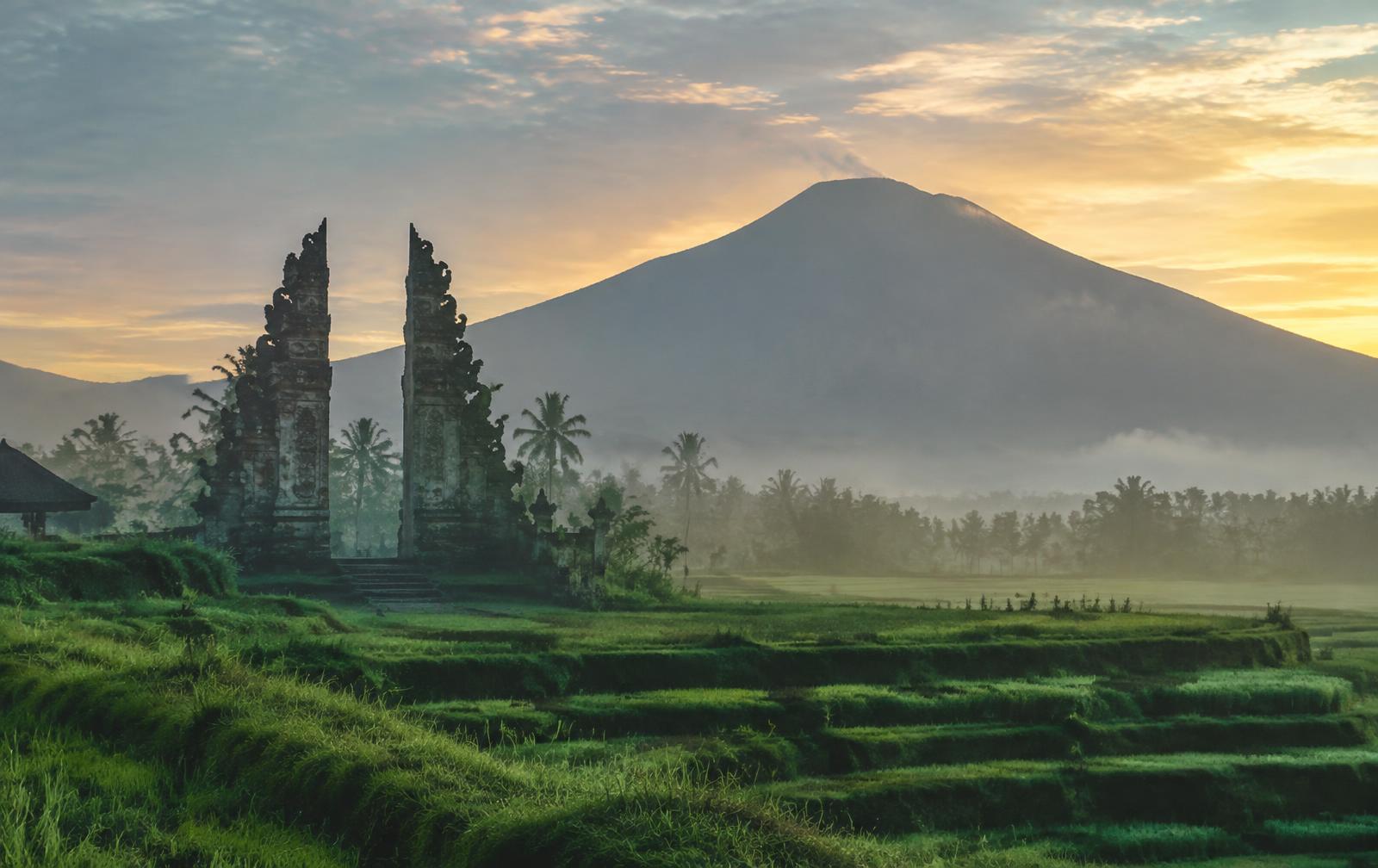
Bali’s temple towns and coastal villas pair well with Komodo’s dry hills, coral reefs and carefully timed days at sea.
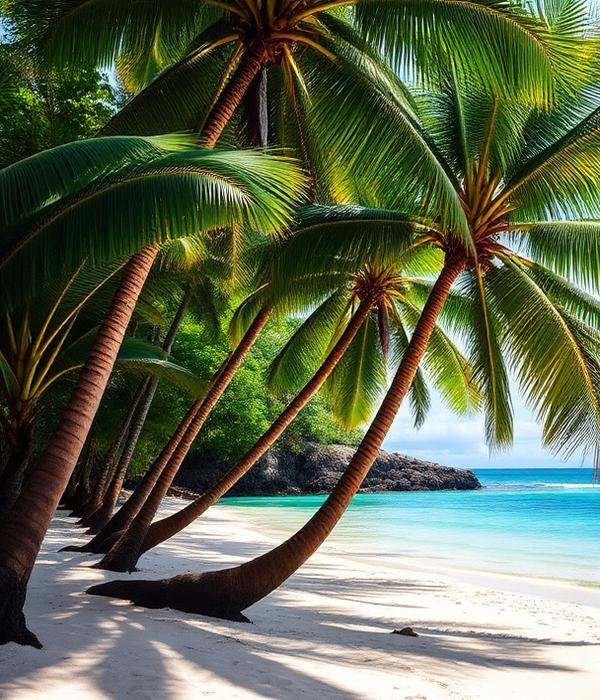
Monastery mornings, empty trails and a country that limits its own visitors. Go now, go slowly.
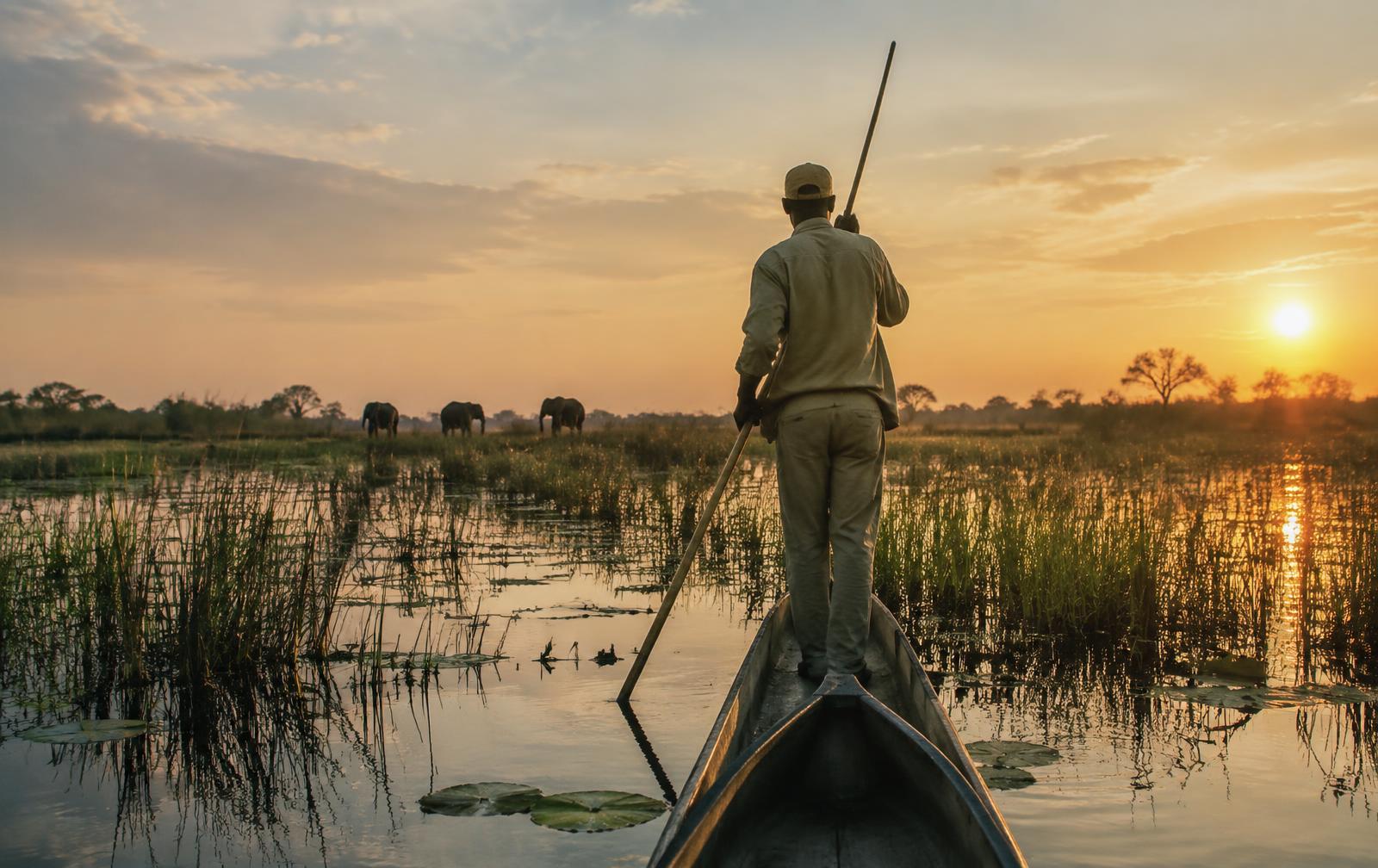
Follow Botswana’s waterways from the Okavango Delta to the Chobe River, with time to watch rather than chase wildlife.
Once-in-a-lifetime, or a long quiet weekend. Tell us what you're picturing — the first conversation is on us.