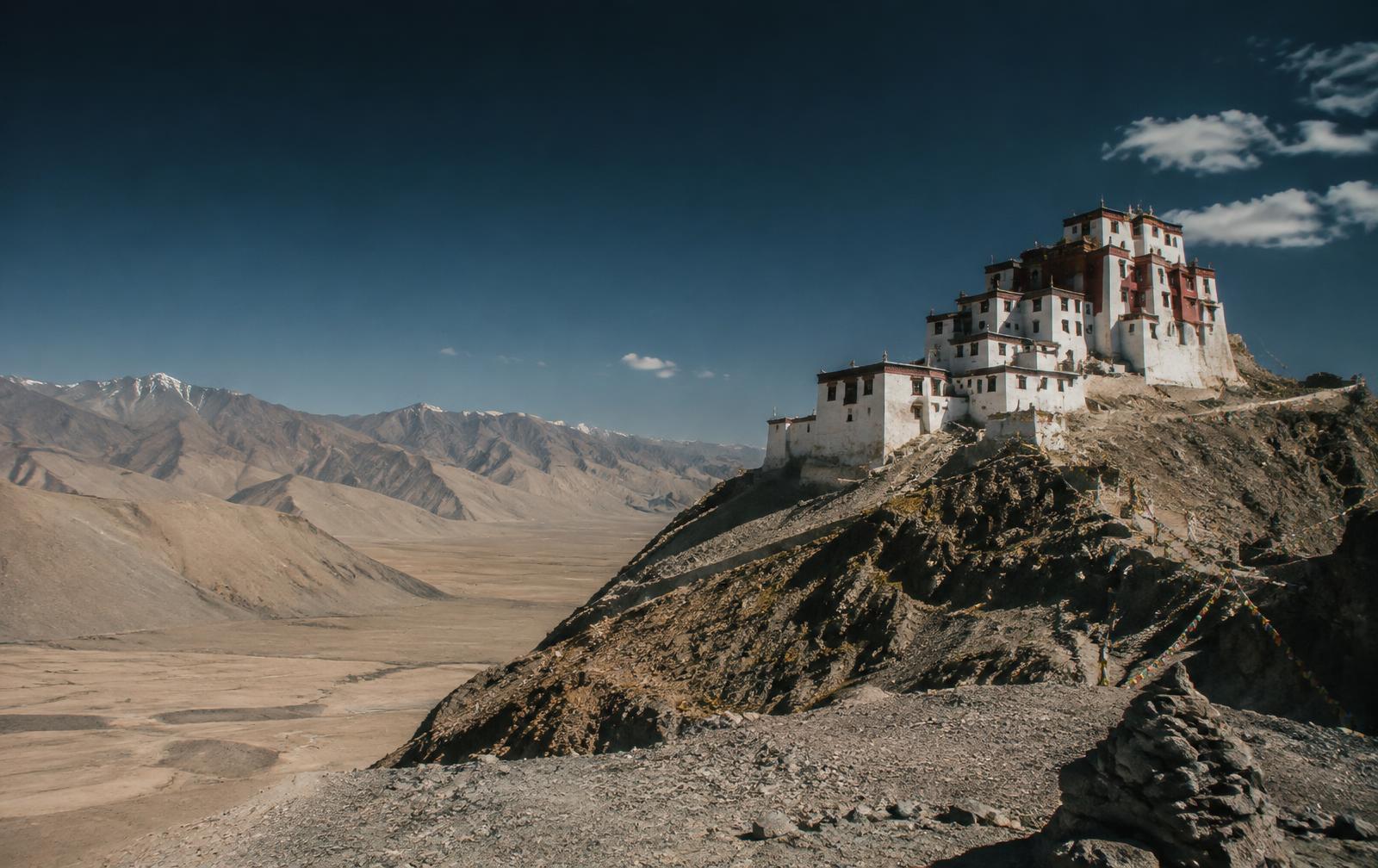
The Indus Valley, without rushing
Visit Thiksey and Hemis after settling into the altitude, balancing monastery interiors with time in Stok or Shey. Prayer schedules and access vary; these are working religious communities.
Monastery courtyards, apricot orchards and high desert roads, with enough time to adjust to Ladakh’s altitude.
Ladakh is a place of distances: between villages, across bare mountain ranges, and from the rhythms of the plains. Around Leh, whitewashed monasteries overlook fields irrigated by snowmelt; beyond Khardung La, the Nubra Valley opens into orchards and sand dunes. We favour journeys that connect these landscapes through village walks, thoughtful monastery visits and small houses, rather than a daily succession of high passes.
We plan the first three nights in Leh around acclimatisation, then build a private road journey with a local driver and room to change course. Indicative journeys start at INR 345,000 per person, depending on dates, accommodation and inclusions. The honest caveat is that comfort here has limits: altitude affects fit travellers too, roads can close, and expensive accommodation does not always mean dependable heating or polished service.
Visit Thiksey and Hemis after settling into the altitude, balancing monastery interiors with time in Stok or Shey. Prayer schedules and access vary; these are working religious communities.
Base yourself near Sumur for orchard walks and Samstanling Monastery, with a separate outing to Diskit and Hunder. The valley rewards more than a single overnight stop.
The lake’s changing colour is worth the road journey, but its roughly 4,250-metre elevation makes sleeping here a considered choice, not an automatic itinerary inclusion.
Every trip we send is rewritten at least once. Treat this as a rhythm rather than a route — then tell your specialist what to cut, slow down or add.
Transfer directly to your accommodation on arrival. Keep the first 48 hours deliberately quiet, with no strenuous walking or high-pass excursions. If feeling well, use day three for a measured visit to Shey and Thiksey, returning to Leh for a third night.
Cross Khardung La without lingering at the summit, then descend into Nubra. Spend the following days between Sumur’s lanes, Samstanling Monastery, Diskit and Hunder. Allow roughly five to seven hours for the Leh–Sumur drive, depending on road conditions and stops.
Travel via the Shyok route only if local conditions permit and everyone is acclimatising well. Stay near Spangmik for a quiet evening by the lake. If symptoms, weather or accommodation conditions argue against it, replace this section with lower-altitude time around Leh.
Return over Chang La, allowing much of day eight for the drive. Keep day nine flexible: visit Stok, browse Leh’s market or simply rest. These final two nights also provide useful contingency time before the flight out.
Transfer for your flight, usually scheduled in the morning. Avoid a tight onward international connection: wind and weather can disrupt operations at Leh.
Illustrative private-house stayA planning example, not a verified property listing: a small house with an enclosed garden, private dining and reliable room heating. Indicative INR per room per night; actual accommodation is confirmed during proposal.
Illustrative small-lodge stayA planning example, not a verified property listing: orchard-facing rooms and a sheltered sitting area. Indicative INR per room per night; hot-water schedules, power backup and heating require checking.
 Illustrative exclusive-use villa
A planning example, not a verified property listing: a three-bedroom private base with a cook and shared living space. Indicative INR per villa per night; staffing, meals and taxes depend on the confirmed arrangement.
Explore Thiksey with a Ladakhi guide who can explain its religious life and architecture. Attend prayers only when visitors are welcome, and ask before photographing people or interiors.
Arrange a hosted meal around local dishes such as skyu or chutagi, with conversation about farming and winter stores. Menus follow the household and season rather than a fixed tasting format.
Follow village lanes beside irrigation channels and cultivated plots, keeping walks short enough for the group’s acclimatisation. Orchard access is by invitation; apricot harvest timing varies with elevation and weather.
For travellers wanting more walking, add a guided section around Likir, Yangthang or Hemis Shukpachan after acclimatisation. Even routes described as easy involve altitude, exposed sun and uneven ground.
“In Ladakh, the most useful luxury is time to acclimatise and change the plan.”
June to September is the most reliable period for a wider road journey. July and August bring warmer conditions and more visitors; September often suits walking and photography, though nights cool quickly. May and October can work for carefully limited routes, with colder weather, fewer open stays and greater disruption risk.
It can be, but suitability depends on health, tolerance for long drives and the ability to recognise and report altitude symptoms. We favour fewer bases and conservative ascent plans. Families with very young children and travellers with relevant medical conditions should seek individual medical advice before committing.
No. Its elevation, cold nights and limited medical access make it optional. A rushed day trip from Leh also involves a long drive over a high pass; omitting the lake altogether is often better than forcing it into a short holiday.
It is a per-person planning indication, not a fixed package quotation. The final proposal specifies accommodation, private transport, guiding, meals, fees and taxes, along with any flights or other exclusions. Dates, party size and exclusive-use accommodation materially affect the price.
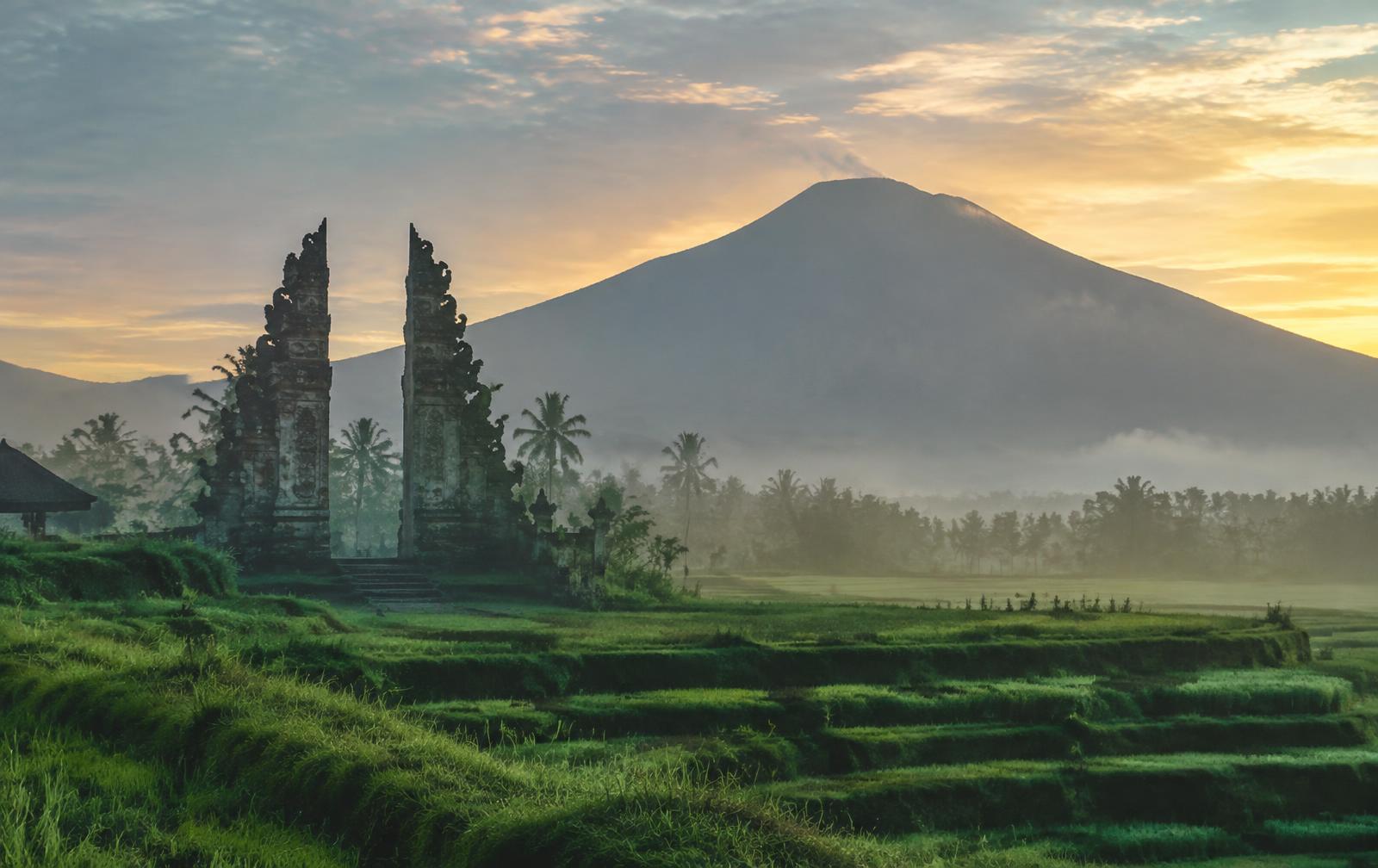
Bali’s temple towns and coastal villas pair well with Komodo’s dry hills, coral reefs and carefully timed days at sea.
Monastery mornings, empty trails and a country that limits its own visitors. Go now, go slowly.
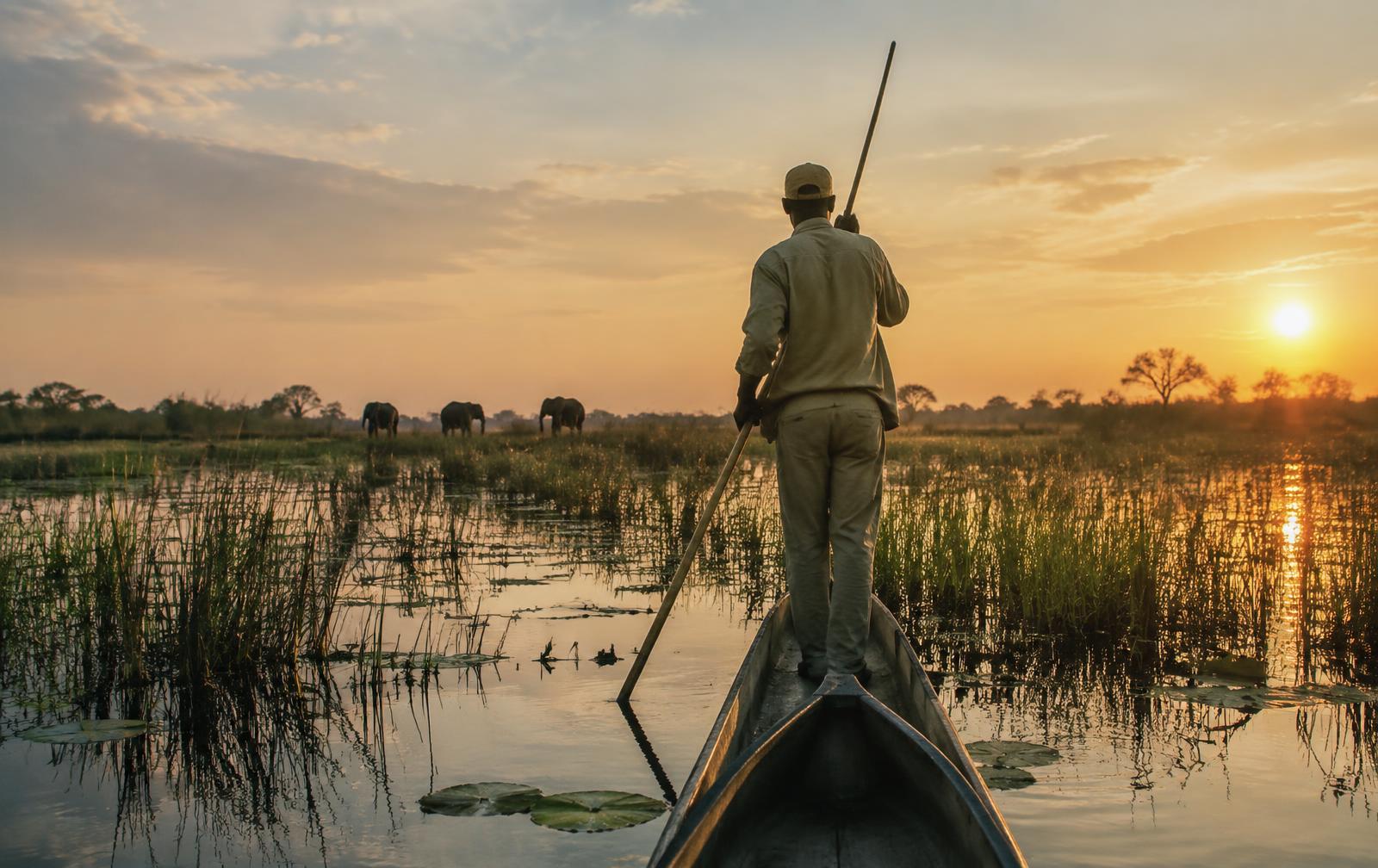
Follow Botswana’s waterways from the Okavango Delta to the Chobe River, with time to watch rather than chase wildlife.
Once-in-a-lifetime, or a long quiet weekend. Tell us what you're picturing — the first conversation is on us.