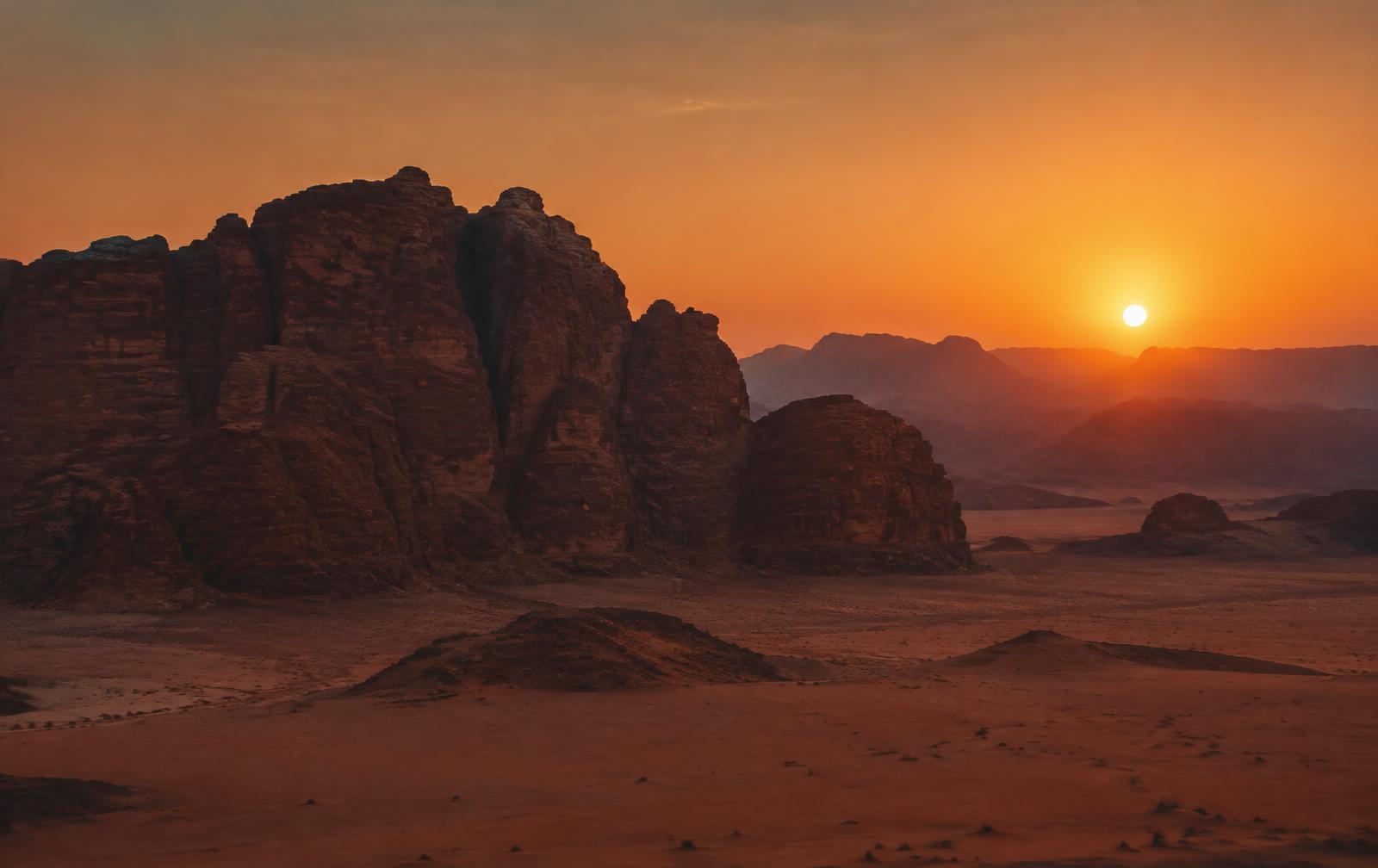
Petra beyond the Treasury
Give the Nabataean city two visits: one for the Siq, Royal Tombs and main valley; another for the Monastery, if fitness and conditions allow.
From Petra’s sandstone stairways to Wadi Rum’s open desert, Jordan rewards early starts, good guides and time between the sights.
Jordan is compact on a map, but its best journeys need room to breathe. Amman introduces the country through Roman ruins, neighbourhood bakeries and contemporary galleries; farther south, Petra demands proper walking time, not a hurried photograph at the Treasury. We plan private journeys around knowledgeable local guides, sensible driving days and two visits to Petra, finishing with either Wadi Rum’s desert quiet or the Dead Sea.
For Indian travellers, we usually suggest eight nights, with spring or autumn departures and a private driver throughout. Indicative journeys begin at INR 415,000 per person, depending on accommodation, season and inclusions. The caveat is that Jordan is neither uniformly luxurious nor effortless: desert camps vary considerably, Petra has uneven paths and long climbs, and regional tensions can affect flight schedules. We choose comfort carefully without disguising the realities.
Give the Nabataean city two visits: one for the Siq, Royal Tombs and main valley; another for the Monastery, if fitness and conditions allow.
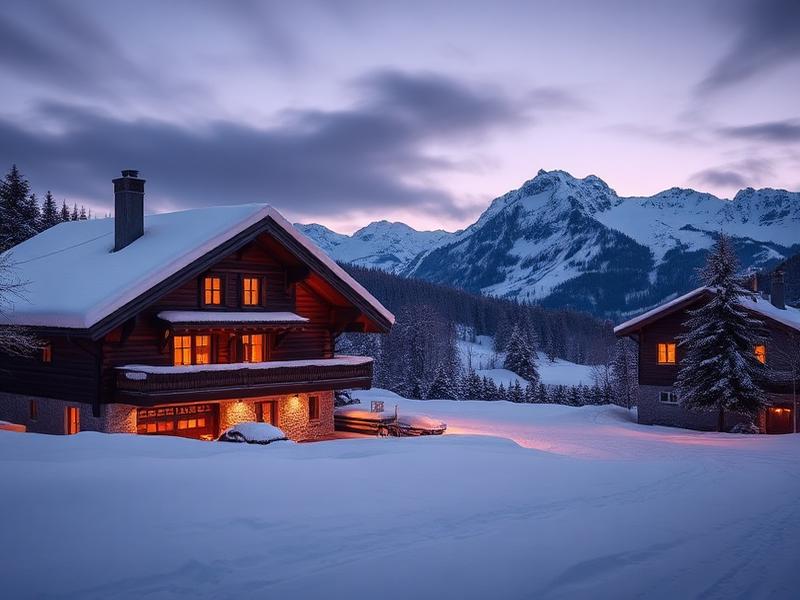
Travel by locally operated 4WD between sandstone formations, then stay for the changing evening light. Camp location matters more than a photograph of a glass dome.
Pair Jerash’s colonnaded streets and theatres with Amman’s Citadel, downtown food shops and Jabal Al Weibdeh’s galleries.
Every trip we send is rewritten at least once. Treat this as a rhythm rather than a route — then tell your specialist what to cut, slow down or add.
Arrive at Queen Alia International Airport and transfer to Amman for two nights. Spend the following morning at Jerash, returning for the Citadel or a neighbourhood walk, depending on energy and opening hours.
Visit Madaba’s mosaic map and Mount Nebo before continuing to Wadi Musa for two nights. This is a full touring and driving day; adding Kerak would make it substantially longer.
Enter Petra early with a private guide, walking through the Siq to the Treasury and onwards into the ancient city. Set the turnaround point around heat, mobility and interest rather than a fixed checklist.
Return for the Monastery if suitable, or take a shorter second walk. Drive approximately two hours to Wadi Rum and transfer into the protected desert for the first of two nights.
Explore by 4WD with a local Bedouin guide, allowing time for short walks and shaded stops. Leave the hottest hours free and head out again for late-afternoon light.
Drive north to the Dead Sea, allowing around four to five hours before stops. Stay two nights for swimming pools, spa time and brief saltwater floats, then transfer to Queen Alia Airport on Day 9.
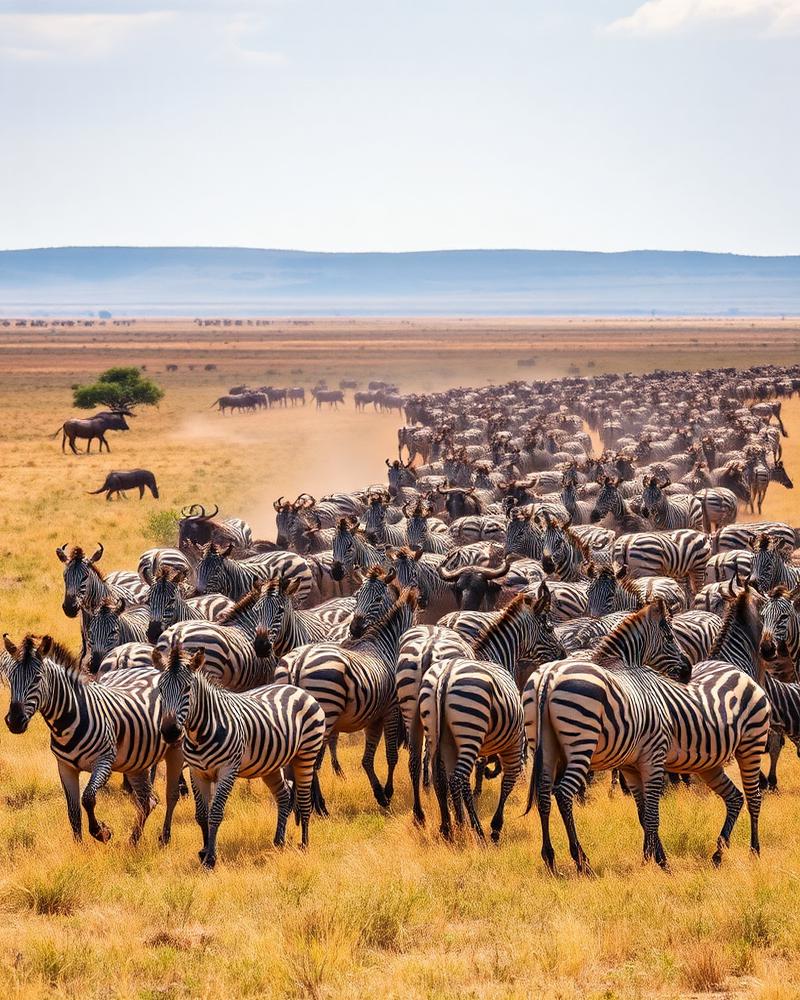
Illustrative private houseAn example of the private-house style we would seek, not a verified bookable property. Budget is indicative per person per night, based on two sharing; central locations can bring street noise.
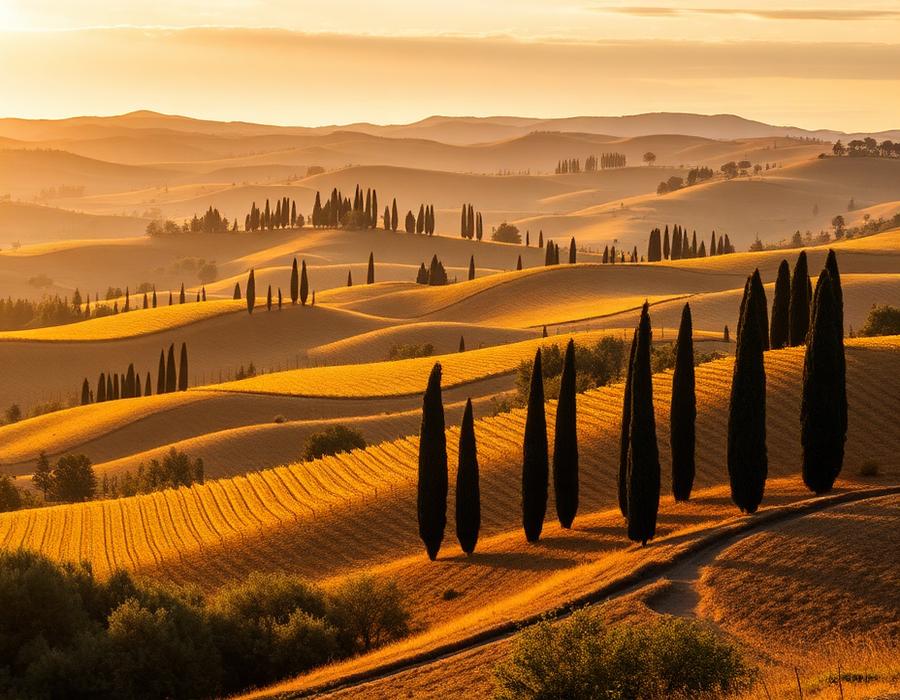
Illustrative private lodgeA planning placeholder for a comfortable base with a terrace and reliable transfers to Petra. Indicative per person per night, based on two sharing; exact accommodation is confirmed in the proposal.
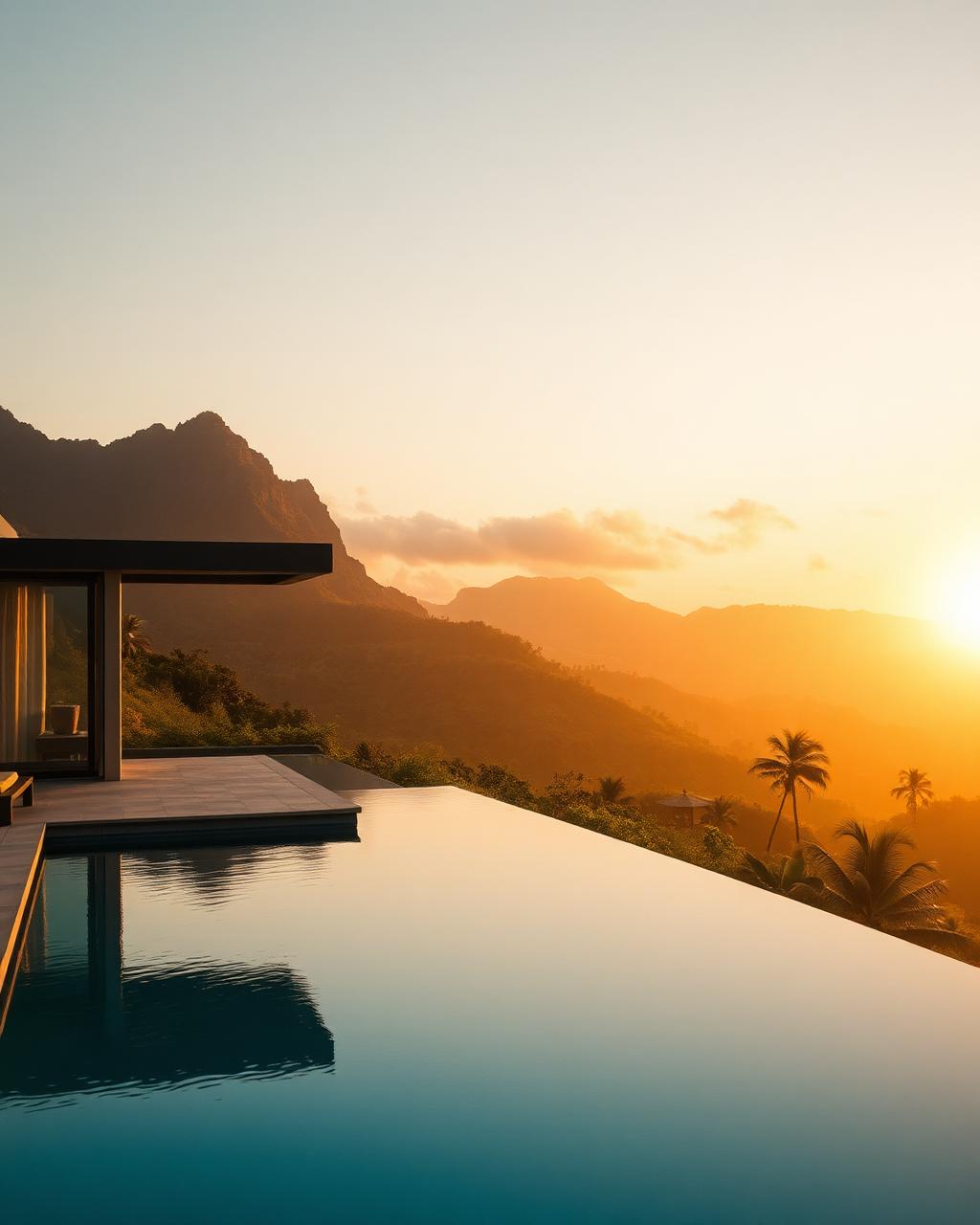
 Illustrative private desert camp
A planning concept, not a named operating camp. Indicative per person per night, based on two sharing; we would verify bathroom standards, heating, cooling and distance from neighbouring camps.
Explore downtown through falafel, hummus, fresh bread and knafeh. Vegetarian eating is straightforward at many stops; strict Jain requirements need advance discussion, particularly outside the capital.
Read the city through its water channels, tomb façades and trading history. A good guide gives context while leaving time to walk without continuous commentary.
Arrange a locally guided Wadi Rum excursion with short sandstone walks and a camp-prepared lunch. Routes depend on weather, access and how much walking you want.
For fit adults, consider the wet Siq Trail when officially open, usually during the warmer months. Swimming ability, minimum-age rules and suitable footwear matter; weather and water levels can close access.
“Give Petra a second morning before adding another stop. It is usually the better use of a day.”
March to May and October to November generally offer the most comfortable touring weather. September can still be hot, while February is cooler and less predictable. Petra and Wadi Rum have cold winter nights; winter rain can disrupt access, and summer sightseeing requires very early starts.
Yes, with realistic walking expectations. Jerash and Petra have uneven surfaces and limited shade, while desert drives can be bumpy. We shorten guided visits, protect rest time and assess access before recommending particular rooms or camps.
Add two or three nights if Red Sea snorkelling or diving is a priority. Aqaba offers sea swimming that the Dead Sea cannot, but including both on an eight-night journey would reduce time elsewhere.
Conditions can change quickly, including airline routes and airspace access. Check current Indian government advisories and insurance exclusions before committing and again before departure. We review the route and booking terms against conditions at the time; no itinerary removes that uncertainty.
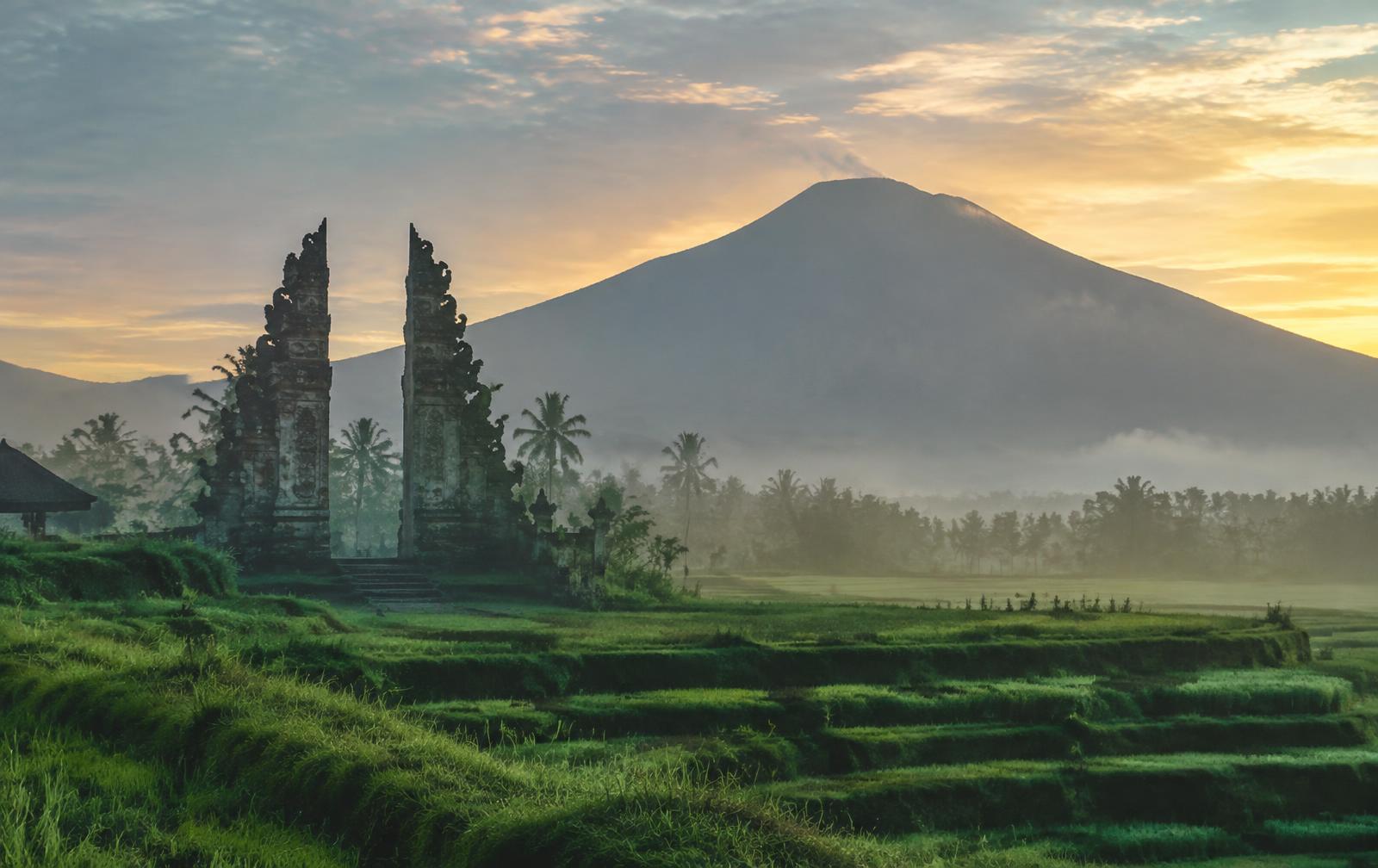
Bali’s temple towns and coastal villas pair well with Komodo’s dry hills, coral reefs and carefully timed days at sea.
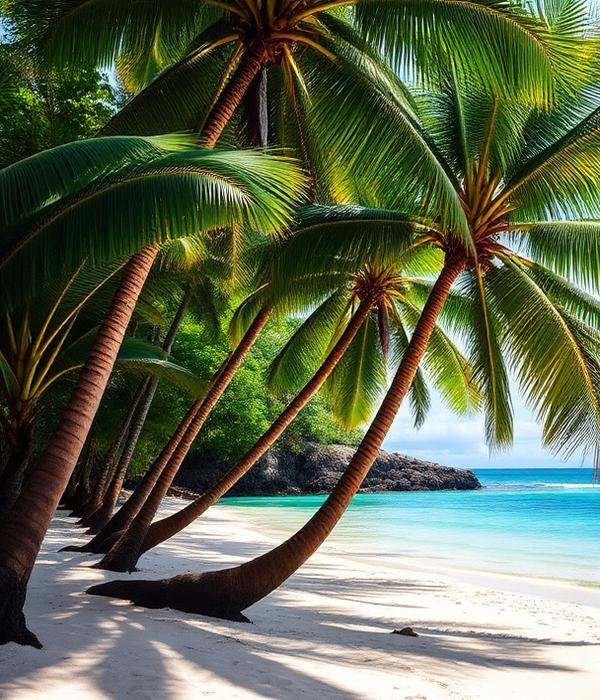
Monastery mornings, empty trails and a country that limits its own visitors. Go now, go slowly.
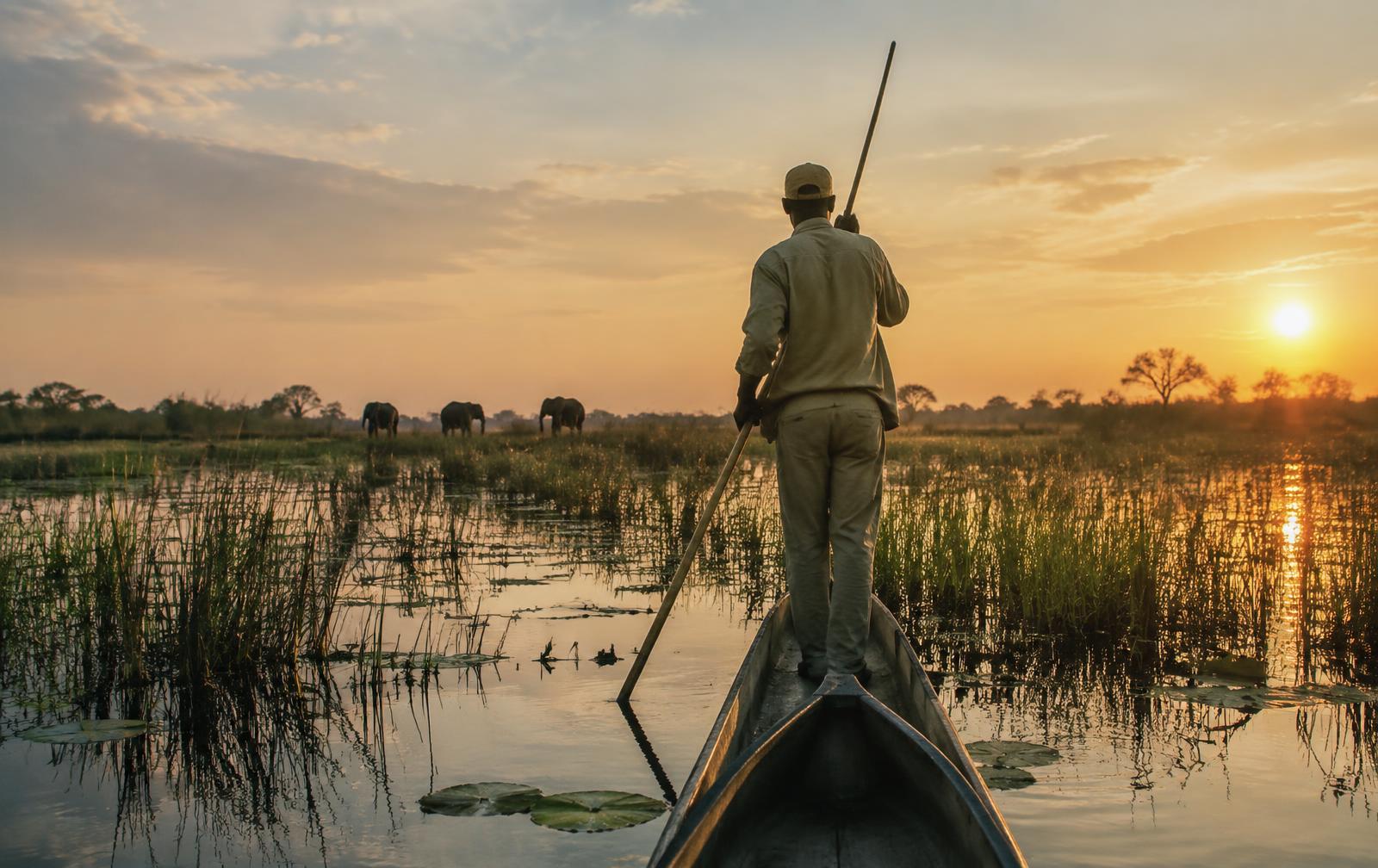
Follow Botswana’s waterways from the Okavango Delta to the Chobe River, with time to watch rather than chase wildlife.
Once-in-a-lifetime, or a long quiet weekend. Tell us what you're picturing — the first conversation is on us.