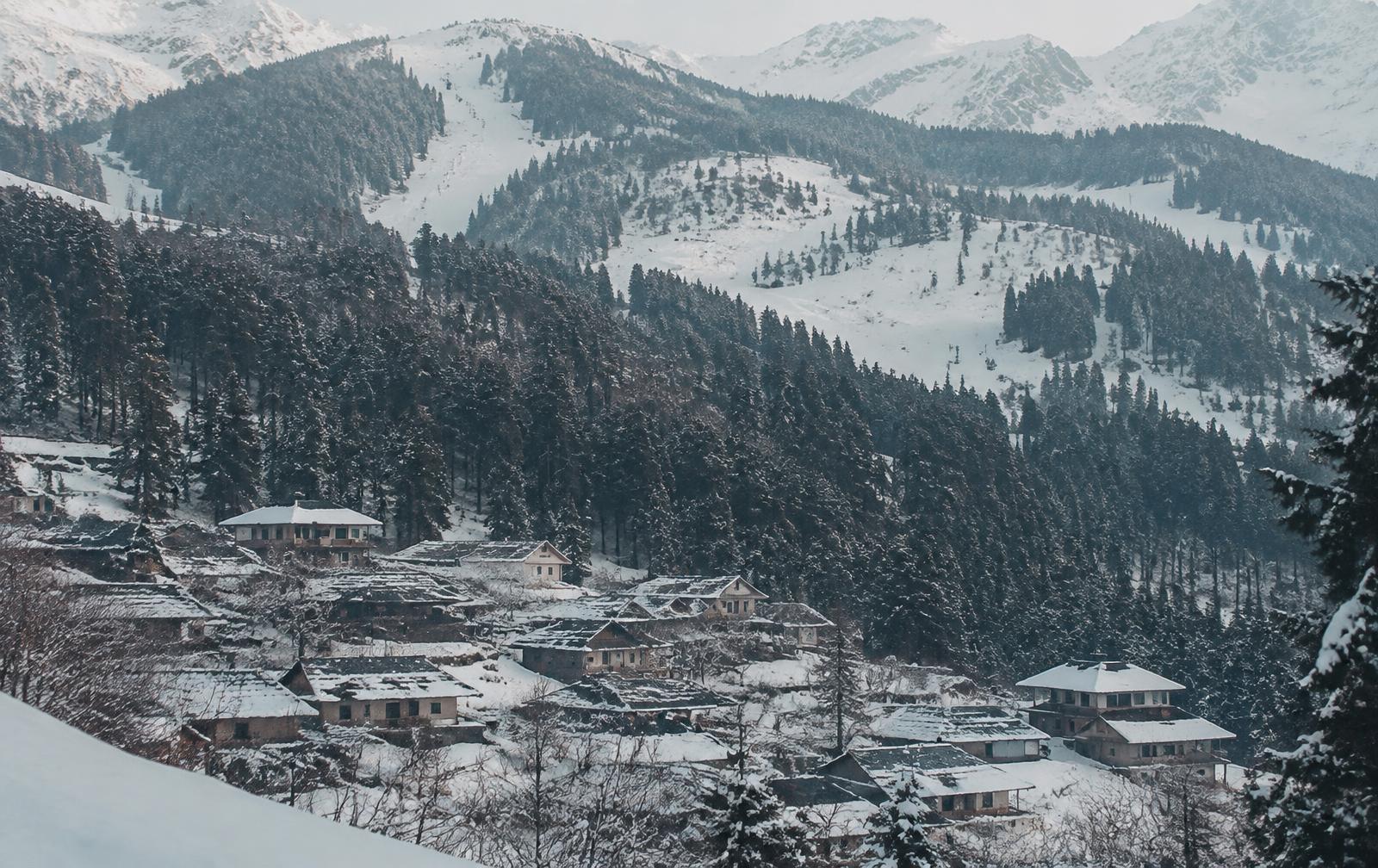
Kinnaur before the high desert
Spend several nights among Sangla’s orchards and Kalpa’s village lanes. Forest walks and views towards Kinner Kailash give the approach its own purpose, while allowing a more gradual ascent.
From Kinnaur’s orchards to Spiti’s high monasteries, a Himalayan journey planned around altitude, road conditions and time to pause.
Himachal changes character as you travel east: cedar forest above Shimla, apple terraces in Kinnaur, then the bare, folded mountains of Spiti. At Tabo, a monastery founded in 996 shelters remarkable murals; beyond Kaza, villages sit above 4,000 metres. We favour the gradual approach through the Sutlej valley, giving these landscapes time rather than treating the journey as a circuit to complete.
Bharat Dev and our team plan the route around acclimatisation, dependable drivers and the best available private accommodation, with indicative journeys from INR 295,000 per person. We arrange walking, monastery visits and unhurried village stops around your interests. The caveat is straightforward: Spiti cannot offer the polished comfort of lower Himachal, and landslides or early snow can change even a carefully prepared itinerary.
Spend several nights among Sangla’s orchards and Kalpa’s village lanes. Forest walks and views towards Kinner Kailash give the approach its own purpose, while allowing a more gradual ascent.
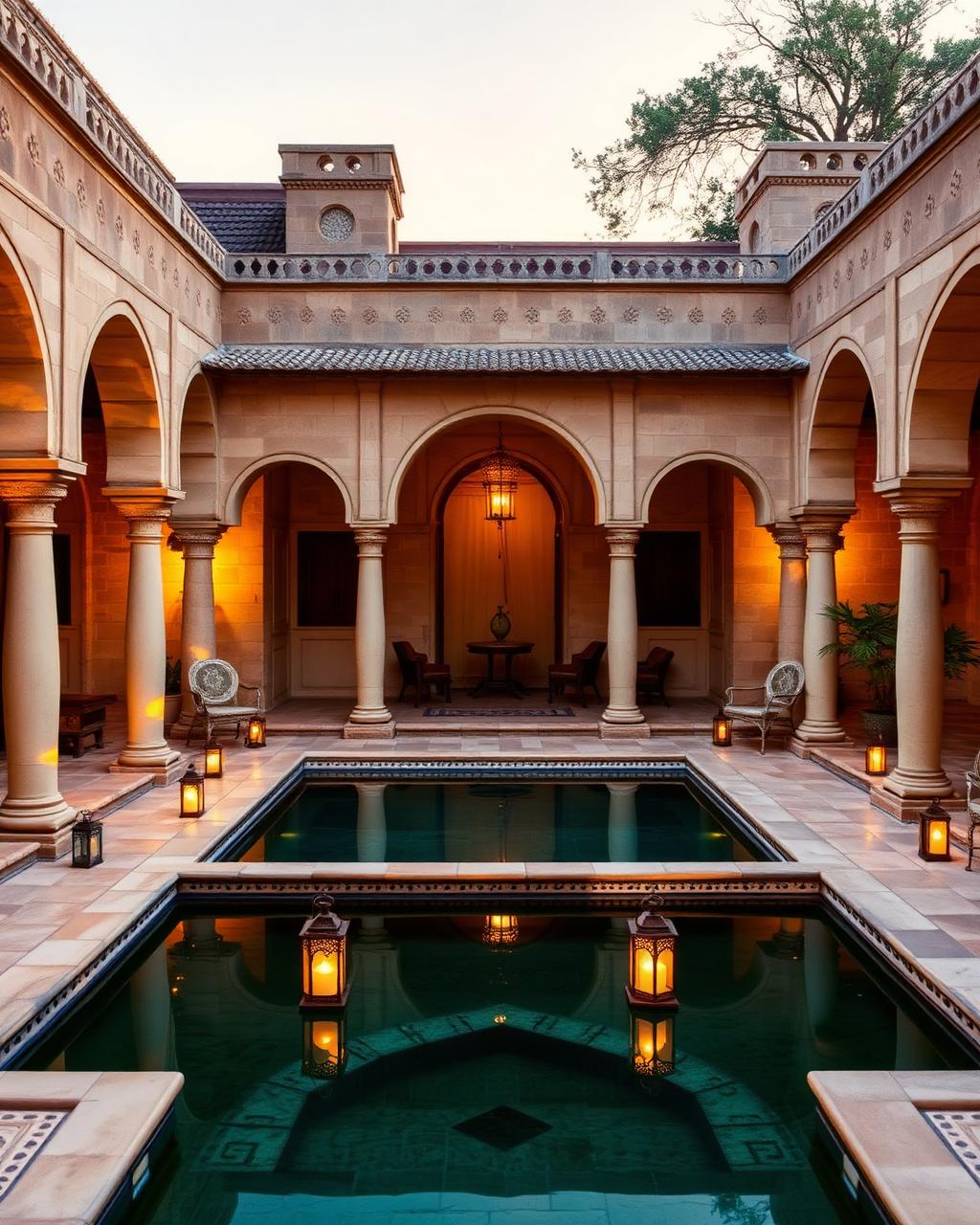
Visit the old monastery with a local guide, allowing time for its dimly lit murals and sculpted figures. Opening arrangements depend on monastery routines; photography inside is restricted.
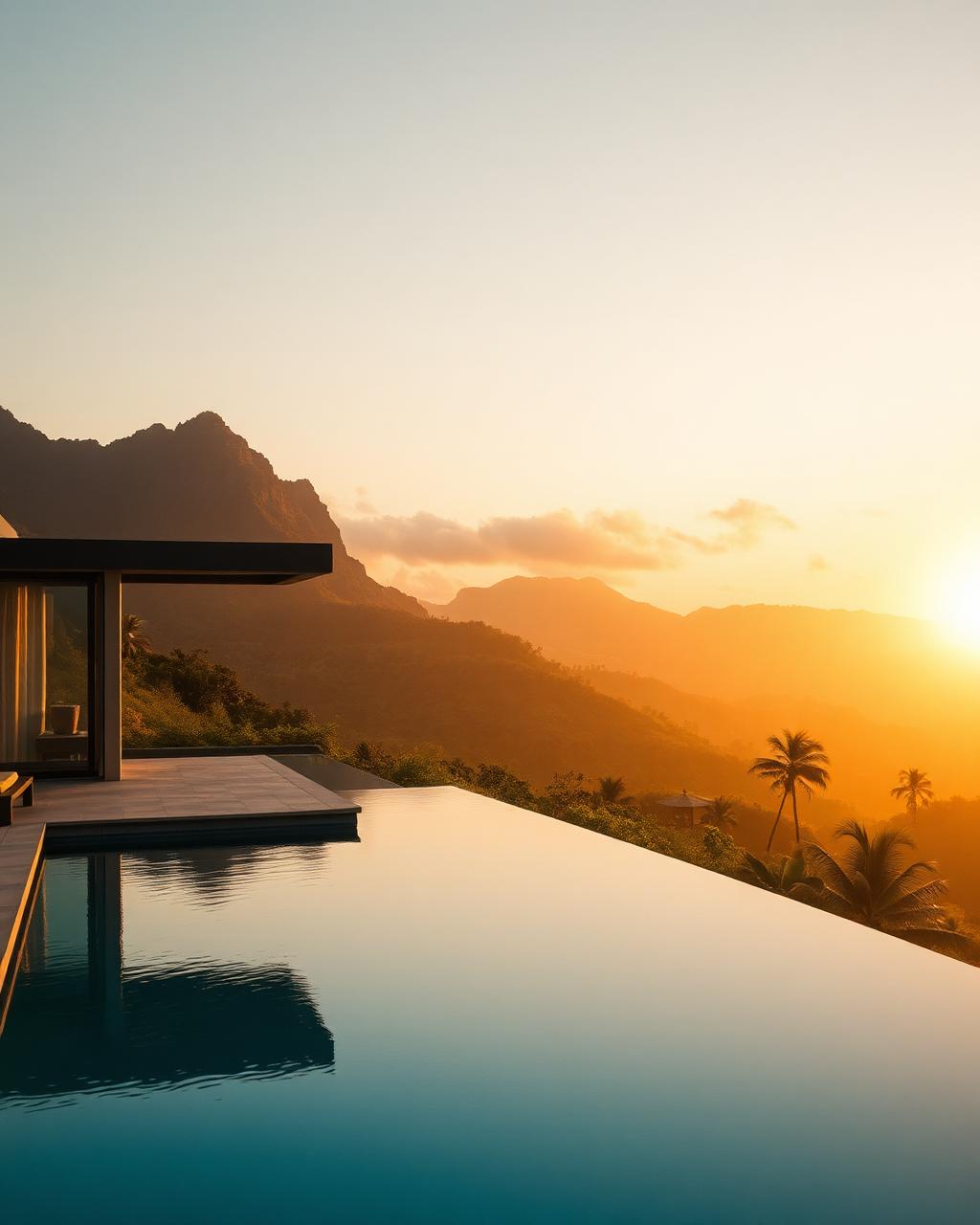
Use Kaza as a base for Key monastery, Kibber and quieter village walks. Higher excursions come after acclimatisation, with the option to stay lower rather than chase every viewpoint.
Every trip we send is rewritten at least once. Treat this as a rhythm rather than a route — then tell your specialist what to cut, slow down or add.
Meet your driver at Chandigarh and allow roughly four to five hours to reach Shimla, traffic permitting. Settle into a private house outside the busiest streets, then explore the Ridge, colonial-era buildings and cedar paths.
Drive through the Sutlej valley to Sangla, a substantial mountain-road day. Spend the following day around Batseri and the Baspa river, keeping walks gentle. Chitkul is an optional higher excursion, not an essential stop.
Continue to Kalpa, at approximately 2,960 metres. Allow two nights for village lanes, orchard walks and mountain views, with a deliberately light schedule before entering Spiti.
Follow the road through upper Kinnaur, stopping briefly at Nako if conditions allow, before descending to Tabo at about 3,280 metres. Stay two nights and visit the monastery without rushing straight onwards to Kaza.
Continue to Kaza at approximately 3,650 metres. Keep the first afternoon quiet, then visit Key monastery and, if everyone is acclimatising well, Kibber or Langza. Short walks replace strenuous trekking on this itinerary.
Retrace the road towards Kalpa, allowing a full day, often nine to eleven hours with stops. This avoids making the journey dependent on Kunzum Pass opening, though the Kinnaur road also remains vulnerable to disruption.
Illustrative exclusive-use private houseAn accommodation brief rather than a confirmed property: three or four bedrooms, a cook and space away from central Shimla. Indicative INR per house per night, not per person.
Illustrative small-lodge buyoutA proposed private-use lodge arrangement with straightforward rooms and freshly prepared meals. Indicative INR per lodge per night; heating and bathroom specifications require checking.
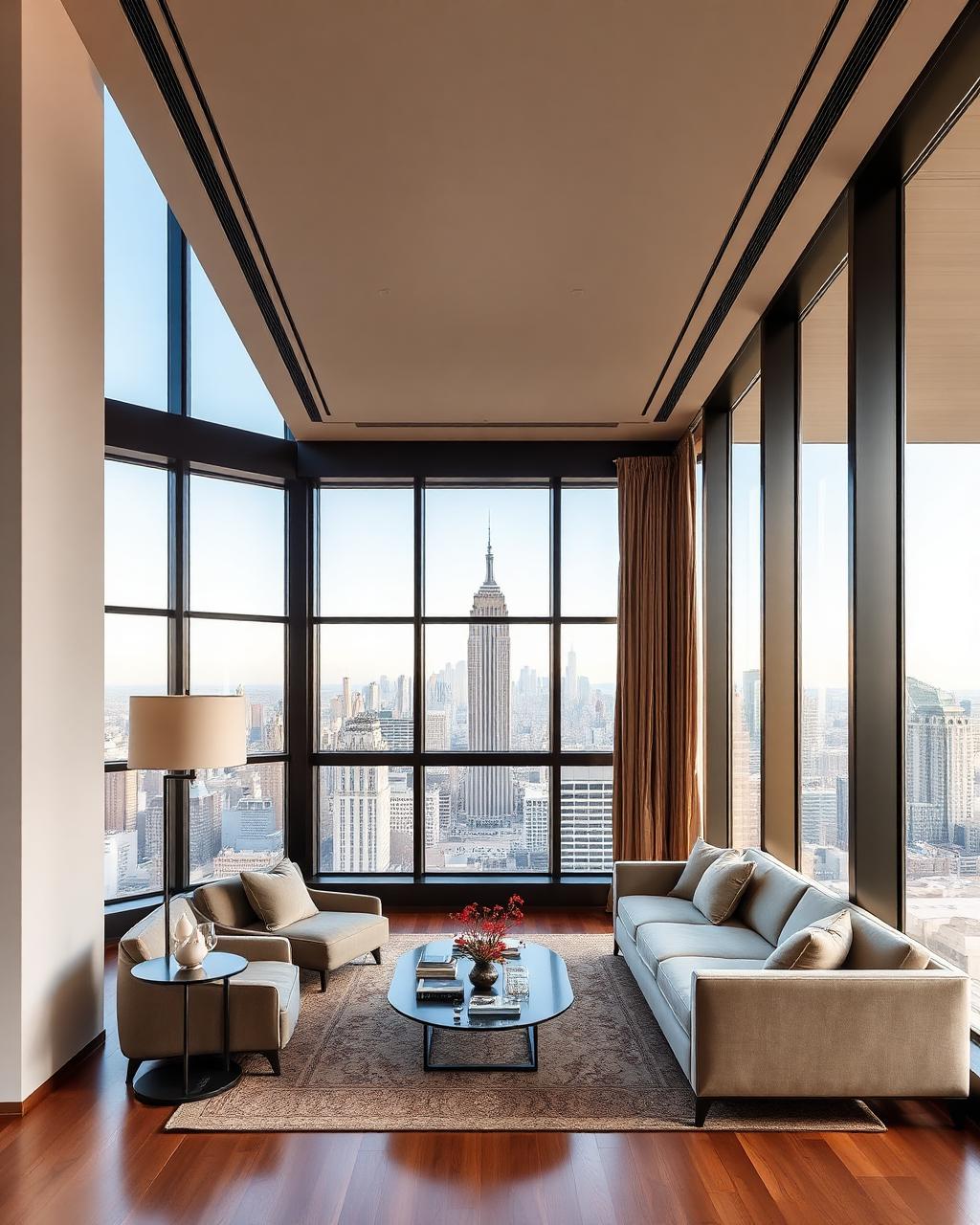 Illustrative private-house arrangement
A planning placeholder for a small, exclusively reserved house with hosted meals, not a named operating hotel. Indicative INR per house per night; expect simpler bathrooms, limited heating and occasional power interruptions.
Take a locally guided walk between orchards and village lanes around Sangla and Batseri. Distance and ascent are adjusted to the group; riverbank access depends on water levels and local advice.
Pair Tabo’s early Buddhist art with Key’s hillside complex. A knowledgeable guide adds context, while visits remain subject to prayers, ceremonies and the wishes of resident monks.
Arrange a hosted meal built around locally available grains, pulses and seasonal produce. Menus vary by household; this is a conversation over lunch rather than a staged cooking performance.
Work with morning and late-afternoon light around Kaza and its neighbouring valleys. We allow time for changing weather and seek permission before photographing people, homes or religious interiors.
“Plan the journey around the altitude and the roads; let the sightseeing follow.”
Sometimes, once Kunzum Pass and the connecting roads are confirmed open, generally during the summer into early autumn. Opening and closure dates vary annually. The route is rough, reaches considerable altitude and should not be treated as a guaranteed shortcut.
Suitability depends on health, tolerance for long drives and response to altitude rather than age alone. Families and older travellers should discuss the route with their doctor. For anyone needing easy access to medical care or consistent hotel comfort, we would recommend lower Himachal instead.
It is a planning starting point for a privately arranged journey, not a fixed package. The final quotation sets out accommodation, vehicle and driver, guides, meals and any permits individually. Dates, party size and exclusive-use accommodation materially affect the price; flights and insurance should not be assumed included.
Neither should be assumed throughout the route. Mobile coverage varies by operator and valley, Wi-Fi can be slow, and ATMs may be unavailable or out of service. Carry sufficient INR cash in smaller denominations and download essential documents before leaving Shimla.
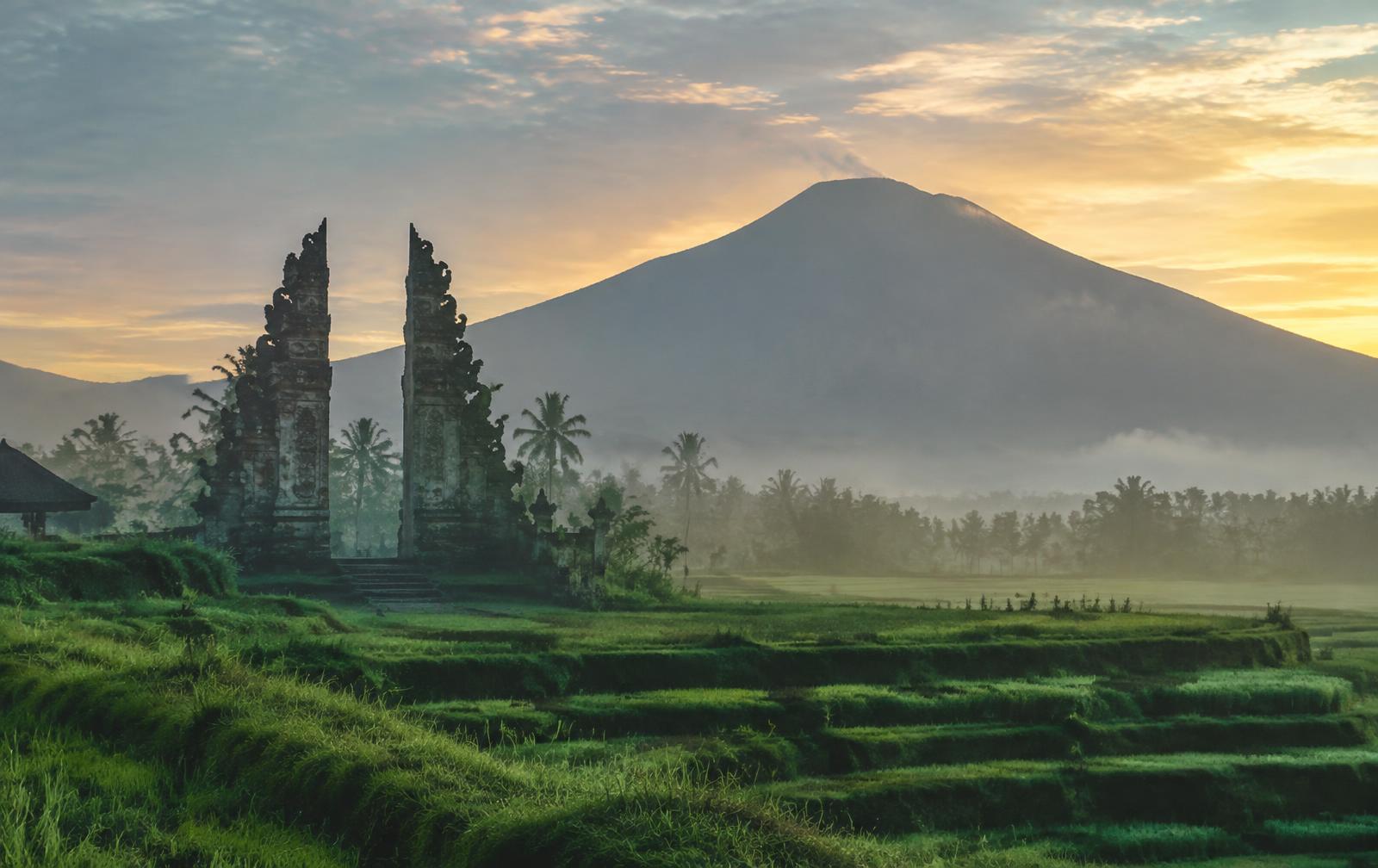
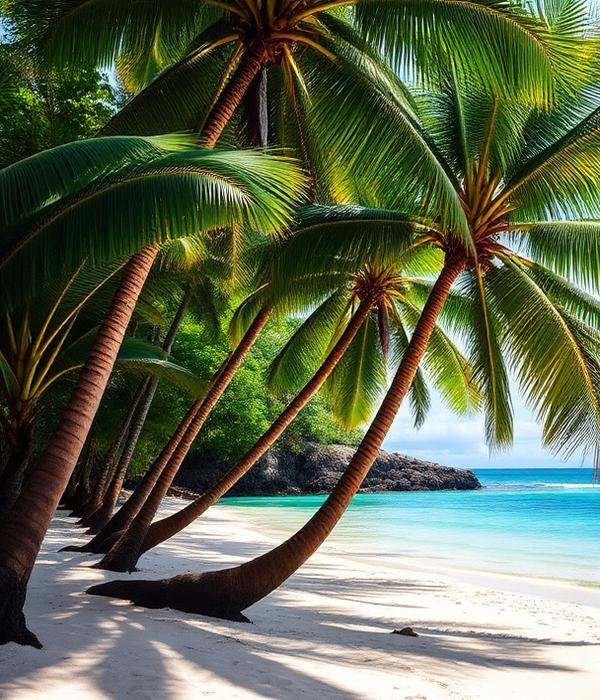
Bali’s temple towns and coastal villas pair well with Komodo’s dry hills, coral reefs and carefully timed days at sea.
Monastery mornings, empty trails and a country that limits its own visitors. Go now, go slowly.
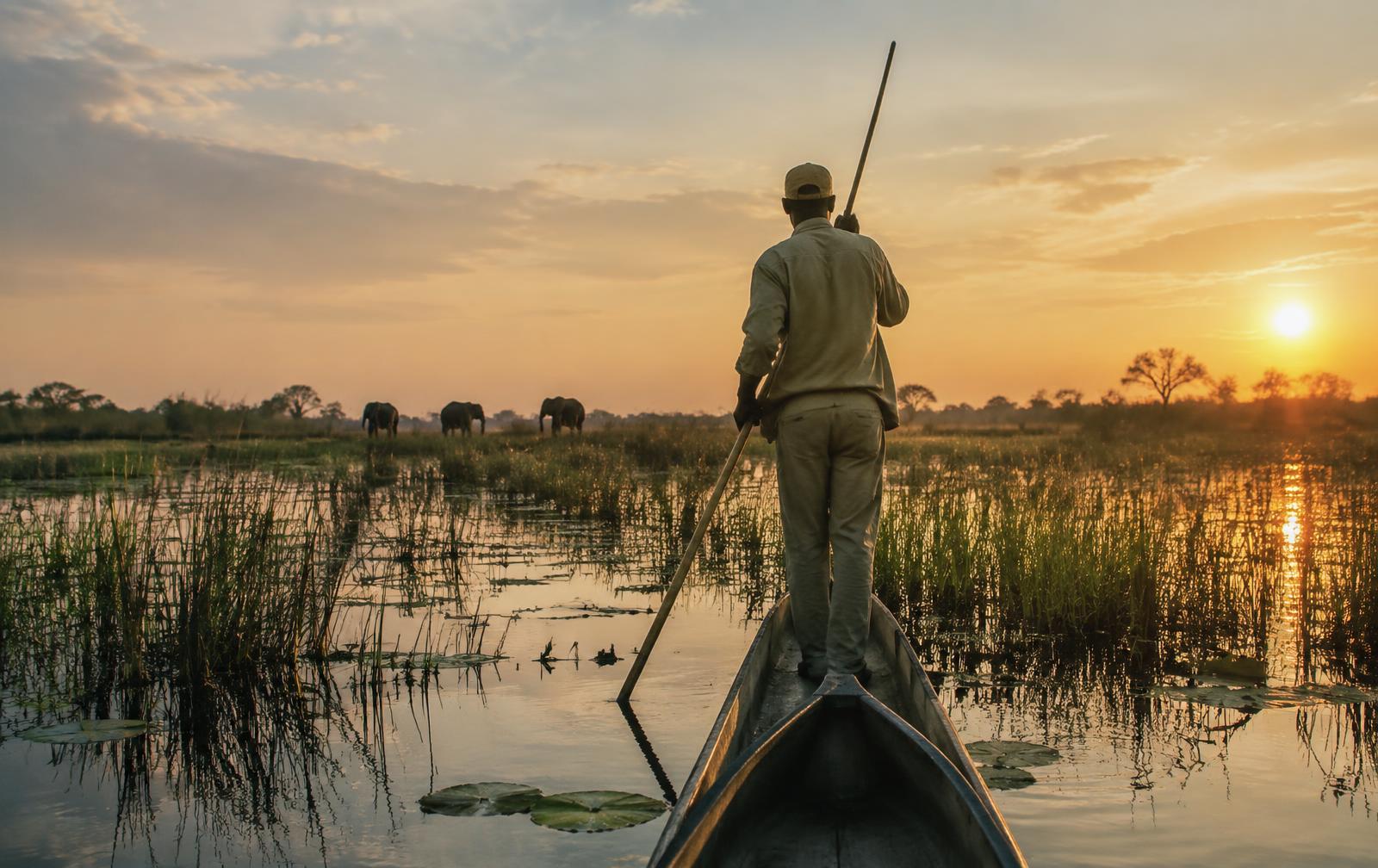
Follow Botswana’s waterways from the Okavango Delta to the Chobe River, with time to watch rather than chase wildlife.
Once-in-a-lifetime, or a long quiet weekend. Tell us what you're picturing — the first conversation is on us.